

Andrea Yates’ name remains one of the most haunting in modern American crime history. In 2001, the Texas mother drowned her five young children during a severe psychotic episode linked to postpartum mental illness. After a conviction, reversal, and retrial, Yates was found not guilty by reason of insanity and committed to a state psychiatric hospital. Today, she continues to live under supervised care, focusing on treatment rather than freedom. This article explores where Andrea Yates is now, how she spends her days, why she has chosen to remain institutionalized, and why her case still shapes conversations about mental health, motherhood, and justice.
Who Is Andrea Yates and Why Her Case Still Resonates

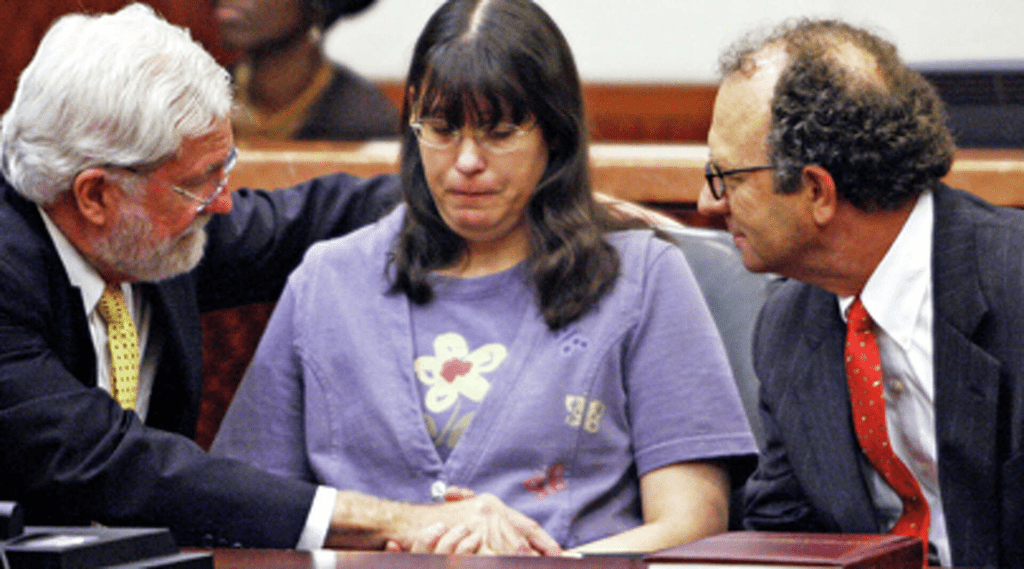
Andrea Yates was once an ordinary Texas mother living a deeply structured, religious life with her husband and children. That image shattered in June 2001 when she drowned all five of her children in the family bathtub. The youngest was just six months old.
What made the case so disturbing wasn’t just the crime itself, but the undeniable evidence that Yates was profoundly mentally ill. She had a long history of postpartum psychosis, major depressive disorder, and repeated psychiatric hospitalizations — facts that later became central to her legal defense.
Nearly 25 years later, the question “Where is Andrea Yates now?” continues to draw public interest because her story sits at the intersection of tragedy, mental illness, and systemic failure.
Also Read : Industry Season 4 Review: A High-Stakes, Darker Financial Thriller That Demands Attention
The Mental Health Crisis Leading Up to the Tragedy
Before the killings, Andrea Yates had suffered multiple psychotic episodes. She experienced hallucinations, delusions, suicidal ideation, and an overwhelming belief that she was a “bad mother” whose children were doomed.
Doctors warned that she should not have more children, yet she continued to give birth while cycling on and off medication. After the birth of her youngest child, her mental state deteriorated rapidly.
In the days before the tragedy, Yates stopped eating, stopped speaking, and became increasingly disconnected from reality. Mental health professionals later testified that she believed killing her children would save them from eternal damnation.
The Arrest and Initial Conviction
Andrea Yates confessed immediately after the killings. In 2002, she was convicted of capital murder and sentenced to life in prison.
However, the trial quickly became controversial. Prosecutors relied heavily on testimony that suggested Yates knew right from wrong — a claim later undermined when it was revealed that an expert witness had provided false information.
Public opinion began to shift as awareness of postpartum psychosis grew, and many questioned whether prison was an appropriate place for someone suffering from such severe mental illness.
The Conviction Reversal and Second Trial
In 2005, Andrea Yates’ conviction was overturned due to flawed expert testimony. A year later, she was retried.
In 2006, a jury found her not guilty by reason of insanity. Instead of prison, she was committed to Kerrville State Hospital, a maximum-security psychiatric facility in Texas.
This verdict marked a turning point in how courts, media, and the public discussed mental illness in criminal cases — especially those involving mothers.
Where Is Andrea Yates Now?
As of 2026, Andrea Yates remains a patient at Kerrville State Hospital. She is not incarcerated in the traditional sense, but she is not free either.
Unlike many individuals found not guilty by reason of insanity, Yates has not pursued release, despite being legally eligible to request periodic reviews. Mental health experts have stated that she continues to struggle with severe psychiatric conditions and remains under close medical supervision.
Those familiar with her treatment say she has accepted her confinement as part of her responsibility and healing.
Life Inside Kerrville State Hospital
Andrea Yates’ daily life is quiet, structured, and heavily supervised. Reports indicate she participates in:
- Individual and group therapy
- Medication management
- Creative activities such as art and crafts
- Limited social interaction with staff and patients
She reportedly makes items that are donated to charity or used to support memorial causes related to mental health awareness.
Unlike prison life, her environment is focused on treatment rather than punishment — a distinction many mental health advocates point to when discussing her case.
Why Andrea Yates Has Chosen Not to Seek Release
One of the most surprising aspects of Yates’ case is her decision not to pursue freedom.
According to legal and medical sources, Yates has expressed deep remorse and believes she should remain institutionalized. She has reportedly stated that she does not deserve to live freely after what she did — a reflection of both guilt and ongoing mental illness.
Experts note that this decision also underscores the severity and persistence of her condition.
Also Read : Rukmini Vasanth First Look as Mellisa in Yash’s Toxic: A Fairytale for Grown-Ups Revealed
Her Relationship With Her Family Today
Andrea Yates’ relationship with surviving family members has remained largely private. Her marriage eventually ended in divorce, and her former husband has rarely spoken publicly in recent years.
There is no indication that Yates maintains regular contact with extended family, though she has received limited visitors in the past under hospital supervision.
Privacy has become a key part of her life, with strict controls on media access.
Public Reaction and Cultural Impact
The Andrea Yates case permanently changed conversations around postpartum mental illness. Terms like postpartum psychosis, once rarely discussed, entered mainstream awareness.
Her story has been revisited in documentaries, books, and academic studies examining failures in medical care, legal systems, and societal expectations placed on mothers.
While opinions remain divided, there is broader agreement today that her case represents a catastrophic breakdown of mental health support rather than simple criminal intent.
How the Case Changed Mental Health Awareness
Since 2001, medical professionals and advocacy groups have used the Yates case to highlight:
- The dangers of untreated postpartum psychosis
- The importance of long-term psychiatric care
- The need for family education around warning signs
- The legal complexities of insanity defenses
Many hospitals now screen more aggressively for postpartum mental illness — a change experts say might prevent future tragedies.
Why Interest in Andrea Yates Continues in 2026
Interest in Andrea Yates resurfaces periodically due to new documentaries, anniversaries, or renewed discussions around maternal mental health.
In a digital era where true-crime content thrives, her case stands apart because it forces audiences to confront uncomfortable truths — not just about crime, but about compassion, care, and prevention.
Also Read : The Rookie Season 8 Premiere: Release Date, Cast, Plot & Where to Watch
FAQs
Where is Andrea Yates now?
Andrea Yates currently resides at Kerrville State Hospital in Texas, where she receives long-term psychiatric treatment.
Is Andrea Yates eligible for release?
Yes, she is legally eligible to request review hearings, but she has chosen not to pursue release.
How old is Andrea Yates today?
Andrea Yates was born in 1964, making her in her early 60s as of 2026.
Was Andrea Yates found guilty?
Her original conviction was overturned. In 2006, she was found not guilty by reason of insanity.
Does Andrea Yates still suffer from mental illness?
Yes. Medical professionals confirm she continues to experience severe psychiatric conditions and requires ongoing treatment.
Why does her case still matter today?
Her case remains central to discussions about postpartum mental health, legal responsibility, and how society supports vulnerable mothers.
Join our WhatsApp channel for more updates and information about celebrities and entertainment.


I’m Atul Kumar, founder of Cine Storytellers and an entertainment creator with 5+ years of experience. I cover films, celebrities, music, and OTT content with a focus on accurate, ethical, and engaging storytelling. My goal is to bring readers trustworthy entertainment news that informs, inspires, and goes beyond gossip.