

The Copenhagen Test is Peacock’s latest entry into the crowded spy-thriller space, but it comes with a twist that instantly sets it apart. Instead of chasing stolen files or double agents, the series asks a far more unsettling question: what if your own mind became the surveillance tool? Led by a controlled yet emotionally layered performance, the show explores paranoia, trust, and identity in a world where privacy is an illusion. It’s slow-burn, cerebral, and occasionally challenging — but for viewers who enjoy smart thrillers, it’s a compelling watch.
What Is The Copenhagen Test About?
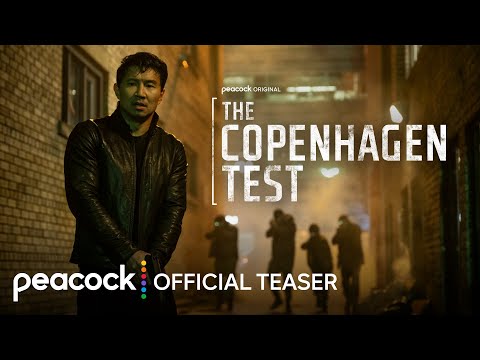
At its core, The Copenhagen Test is a modern espionage drama with a deeply psychological hook. The story follows an intelligence analyst working within a highly secretive government program. His job is to assess threats, patterns, and probabilities — until he becomes the threat himself.
Without warning, he discovers that his brain has been compromised. Every sound he hears, every image he sees, and every reaction he has may be monitored in real time by unknown observers. Suddenly, his own consciousness becomes a liability. Is he still in control of his choices, or is he being guided, tested, and manipulated?
From that moment on, the series transforms into a tense chess match. Colleagues watch him closely. Superiors question his loyalty. Relationships become dangerous. And the audience is left wondering whether the protagonist is uncovering the truth — or being pushed toward a carefully designed outcome.
A Spy Thriller That Feels Uncomfortably Relevant
What makes The Copenhagen Test stand out isn’t explosions or high-speed chases. It’s relevance.
In an age where data breaches, constant tracking, and digital surveillance are part of everyday life, the show’s premise feels disturbingly plausible. This isn’t science fiction in the distant-future sense. It feels like something that could exist just a few technological steps ahead of where we already are.
The series leans into that discomfort. Instead of reassuring the viewer, it amplifies anxiety. The question isn’t just who is watching — it’s why they’re watching and what they want.
That thematic focus gives the show weight and makes it linger in your mind long after an episode ends.
Performances That Carry the Psychological Weight
The lead performance is intentionally restrained, and that restraint works in the show’s favor. Rather than playing the character as a traditional action hero, the actor leans into quiet tension — the small pauses, the controlled expressions, the moments where fear leaks through a calm exterior.
As the story progresses, the character’s emotional deterioration becomes more apparent. Headaches, memory lapses, paranoia, and isolation begin to stack up, and the performance reflects that slow unraveling without ever tipping into melodrama.
The supporting cast also plays a crucial role. Co-workers, handlers, and personal connections are written with just enough ambiguity that you’re never quite sure who is genuine. Some characters feel warm one moment and threatening the next — and that instability keeps the tension high.
Also Read : Bobby Bones Lottery Story: Did He Really Win? The Hilarious Tale Everyone’s Talking About
Trust Is the Most Dangerous Currency in the Show
One of the strongest elements of The Copenhagen Test is how it treats trust as something fragile and transactional.
No one is fully honest. Everyone has a reason to withhold information. Even moments of intimacy feel risky, because vulnerability itself can be weaponized.
The series constantly puts its protagonist in situations where every choice has consequences. Speak honestly, and you might expose yourself. Lie, and you might confirm suspicions. Stay silent, and you might lose control entirely.
This dynamic creates a sense of pressure that never really lets up, even during quieter episodes.
The Meaning Behind the Title
The title The Copenhagen Test isn’t just stylish — it’s thematic.
It subtly references the idea of observation changing reality. In physics, the act of measuring something can alter its behavior. The show applies that concept to human psychology. Once you know you’re being watched, you’re no longer acting freely.
Every decision becomes performative. Every reaction is suspect. The character isn’t just living his life — he’s constantly being evaluated.
That idea becomes the philosophical backbone of the series and gives its spy mechanics a deeper layer.
Pacing: A Slow Burn by Design
This is not a binge-friendly action series that hooks you with cliffhangers every ten minutes. The Copenhagen Test takes its time.
Episodes often focus on conversations, internal conflict, and subtle shifts in power rather than big plot reveals. For some viewers, that will feel refreshing and intelligent. For others, it may feel slow.
But the pacing is intentional. The show wants you to sit in discomfort. It wants you to question motives. It wants tension to simmer rather than explode.
If you approach it expecting constant thrills, you may be disappointed. If you approach it expecting a thoughtful, methodical thriller, it delivers.
Also Read : Bugonia Review: Stream It or Skip It? Emma Stone’s Boldest Film Explained
Visual Style and Atmosphere
Visually, The Copenhagen Test is understated but effective.
Muted color palettes, controlled lighting, and carefully framed shots reinforce the feeling of surveillance. Characters are often filmed through glass, reflections, or partially obscured angles — subtle reminders that someone may always be watching.
There’s a deliberate lack of visual excess. The show doesn’t rely on flashy editing or over-stylized sequences. Instead, it creates atmosphere through restraint, which fits the tone perfectly.
Where the Show Truly Succeeds
The biggest strength of The Copenhagen Test is its commitment to idea-driven storytelling.
It’s not content to simply entertain. It wants to provoke thought. It asks questions about privacy, autonomy, and how much of ourselves we truly own in a monitored world.
The series also trusts its audience. It doesn’t over-explain every concept or spell out every motivation. Some answers come slowly. Others are left intentionally ambiguous.
For viewers who enjoy connecting dots and interpreting meaning, that’s a huge plus.
Where It May Not Work for Everyone
That same intelligence can also become a barrier.
Some episodes feel dense, especially when multiple threads overlap. If you’re not paying close attention, it’s easy to miss key details. Casual viewers may find themselves confused or emotionally detached.
Additionally, the lack of traditional action may turn off fans expecting a more conventional spy series. The tension here is psychological, not physical — and that won’t be for everyone.
Stream It or Skip It?
You Should Stream The Copenhagen Test If:
- You enjoy smart, slow-burn thrillers
- You like shows that explore psychological and philosophical themes
- You appreciate subtle performances and layered storytelling
- You’re interested in stories about surveillance, identity, and control
You Might Skip It If:
- You prefer fast-paced action and constant twists
- You want easy, background viewing
- You dislike ambiguity or unresolved questions
Overall, The Copenhagen Test isn’t a mass-appeal spy blockbuster — and that’s exactly why it works. It’s thoughtful, unsettling, and confident in its storytelling.
Also Read : The Copenhagen Test Series: Release Date, Plot, Cast, and Why This Netflix Thriller Is Worth Watching
FAQs
What genre is The Copenhagen Test?
It’s a spy thriller with strong psychological and surveillance-based elements rather than traditional action.
Is The Copenhagen Test fast-paced?
No. It’s intentionally slow-burn, focusing on tension, character psychology, and moral dilemmas.
Is the show confusing?
It can be if you’re not paying attention. The series rewards focused viewing and patience.
Does The Copenhagen Test rely on action scenes?
Not heavily. Most of the tension comes from dialogue, power shifts, and internal conflict.
Is The Copenhagen Test worth watching?
If you enjoy intelligent, idea-driven thrillers that make you think, it’s absolutely worth streaming.
Join our WhatsApp channel for more updates and information about celebrities and entertainment.


I’m Atul Kumar, founder of Cine Storytellers and an entertainment creator with 5+ years of experience. I cover films, celebrities, music, and OTT content with a focus on accurate, ethical, and engaging storytelling. My goal is to bring readers trustworthy entertainment news that informs, inspires, and goes beyond gossip.