
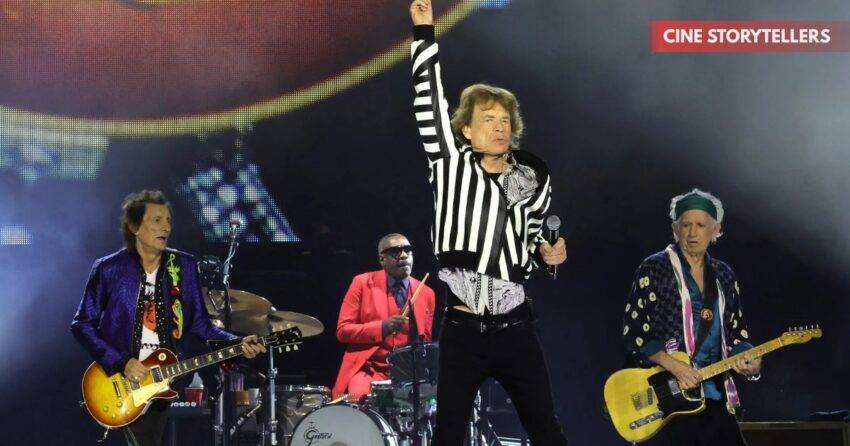
The Rolling Stones have quietly pulled the plug on their anticipated 2026 tour, disappointing fans who hoped to see the rock legends return to stadiums across Europe and the UK. While no official dates were ever announced, behind-the-scenes planning had been underway. The decision, reportedly driven by health and stamina concerns—particularly around Keith Richards—marks a significant moment for one of the most durable touring bands in music history. Still, this isn’t the end of the road. With new music nearly finished and creative momentum intact, the Stones appear to be choosing longevity over exhaustion.
The Rolling Stones’ 2026 Tour Plans, Explained

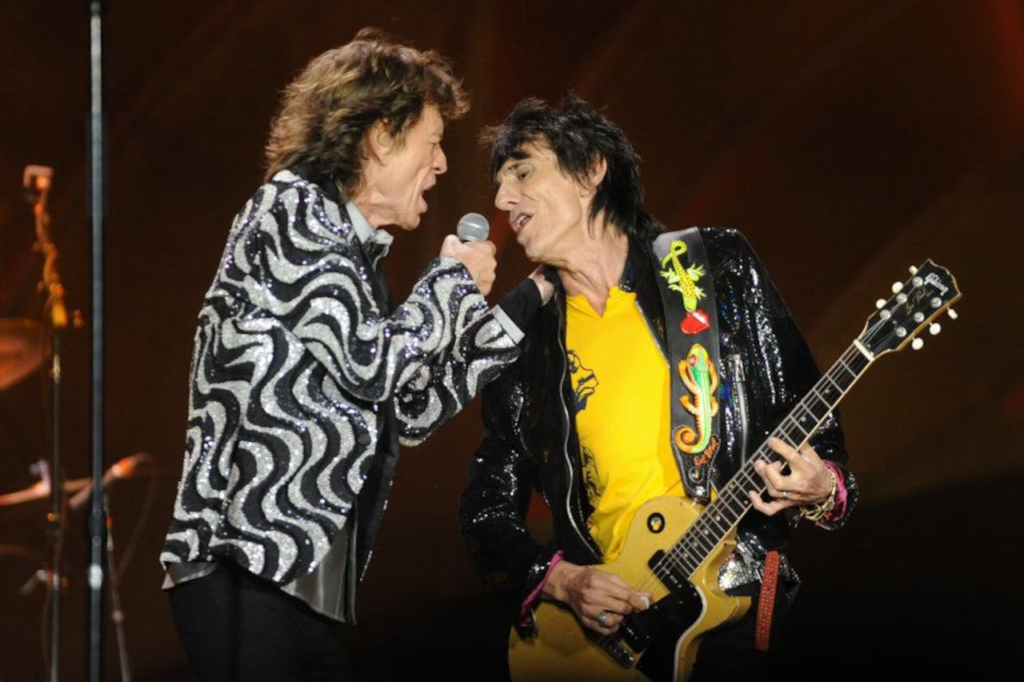
For months, speculation swirled that the Rolling Stones were gearing up for a major 2026 tour, following the success of their recent live shows. Industry insiders hinted at stadium bookings, routing discussions, and early logistical planning.
Then, almost as quietly as the rumors began, they stopped.
The band has now confirmed that those plans will not move forward. While fans may feel blindsided, the reality is that the tour was never officially announced. That distinction matters—it suggests a thoughtful internal decision rather than a last-minute collapse.
Why the Tour Was Ultimately Canceled
At the heart of the decision is a simple but unavoidable factor: physical reality.
Touring at the Rolling Stones’ scale isn’t just about playing music. It involves months of travel, rehearsals, soundchecks, media obligations, and high-energy performances that push even younger artists to their limits.
Keith Richards, in particular, has reportedly expressed hesitation about committing to a full-scale tour. Long open about managing arthritis and other age-related challenges, Richards has continued to perform—but a marathon stadium run is a different beast entirely.
Rather than risk burnout or compromised performances, the band chose to step back.
Age, Endurance, and the Reality of Touring in Your 80s
The Rolling Stones have spent decades redefining what “too old to rock” means. Mick Jagger, Keith Richards, and Ronnie Wood have consistently defied expectations, delivering energetic performances well into their later years.
But even legends aren’t immune to time.
A global tour demands consistency night after night, often with little recovery time. For artists in their late 70s and early 80s, that level of endurance requires serious consideration. The cancellation reflects maturity, not weakness—a recognition that sustainability matters more than proving a point.
The Shadow of Charlie Watts and a Changed Dynamic
The band’s touring identity also shifted permanently after the loss of longtime drummer Charlie Watts. While Steve Jordan has filled the role with skill and respect, the emotional and rhythmic backbone Watts provided for decades is irreplaceable.
That change has subtly altered how the Stones approach live performances. Touring is no longer just about muscle memory—it’s about navigating a new internal balance.
This likely factored into the decision to avoid committing to an extended 2026 run.
The Success of Their Most Recent Tour
Importantly, the decision to cancel isn’t rooted in declining demand.
The Stones’ most recent tour was a massive success, drawing huge crowds and reinforcing their place as one of the greatest live acts of all time. Ticket sales were strong, reviews were glowing, and fans left convinced the band still had plenty left in the tank.
That’s exactly why the cancellation stings—but it’s also why it makes sense. Ending on a high note is far better than pushing past a comfortable limit.
New Music Is Still Very Much on the Table
While touring plans are on pause, creative output is not.
The Rolling Stones are reportedly close to finishing a new album, continuing the momentum sparked by their recent studio work. The band has found renewed energy in recording, where schedules are more flexible and the physical toll is significantly lower.
For fans, this means the Stones aren’t fading away—they’re simply shifting focus.
New music offers a way to stay connected without the demands of constant travel.
Also Read : Survivor 50 Trailer Breakdown: Returning Legends, Celebrity Cameos and the Biggest Season Ever
Fan Reactions: Disappointment, Understanding, and Gratitude
Reactions from fans have been emotional but largely supportive. Many expressed sadness, especially those who hoped 2026 might be their last chance to see the Stones live.
At the same time, there’s widespread understanding. Fans recognize that the band has already given more than most artists ever could—decades of touring, thousands of shows, and an unmatched legacy.
For many, the prevailing sentiment is gratitude rather than frustration.
Does This Mean the Stones Are Retiring?
Short answer: no.
There has been no retirement announcement, no farewell messaging, and no indication that the band is done performing altogether. Canceling a specific tour plan doesn’t mean closing the door forever.
What it does suggest is a more selective future—perhaps shorter runs, special appearances, or one-off events instead of months-long global tours.
The Stones have earned the right to choose how and when they perform.
How This Decision Fits the Band’s Long-Term Legacy
The Rolling Stones have always been strategic about their longevity. They’ve adapted to changes in the industry, survived lineup shifts, and navigated personal and professional challenges that would have ended most bands.
Canceling a 2026 tour fits that pattern. It’s not a retreat—it’s an evolution.
By prioritizing health, quality, and creative freedom, the band is ensuring that when they do step onstage again, it’s on their terms.
The Bigger Picture for Legacy Acts
This move also reflects a broader shift among legacy artists. As musicians age, the industry is beginning to accept that endless touring isn’t the only marker of relevance.
Albums, residencies, documentaries, and selective performances are becoming viable alternatives. The Stones’ decision may even help normalize smarter, more sustainable career paths for aging performers.
What Fans Can Expect Going Forward
In the near future, fans can realistically expect:
- Updates on new music
- Potential special performances rather than full tours
- Carefully chosen live appearances when conditions allow
What’s unlikely is another relentless, multi-month stadium tour in the immediate future.
And for a band that has already rewritten every rule, that feels appropriate.
Why This Isn’t the End of the Story
The Rolling Stones have made careers out of proving people wrong—especially when it comes to endings. Time and again, moments that felt like conclusions turned out to be pauses.
Canceling the 2026 tour doesn’t close the book. It simply turns the page.
As long as the band remains creatively engaged, the door stays open.
Also Read : Who Won Survivor Season 49? Savannah Louie’s Winning Journey and Finale Explained
FAQs
Was the Rolling Stones’ 2026 tour officially announced?
No. The tour was in planning stages but was never formally announced to the public.
Why did the band cancel the tour plans?
The decision was reportedly driven by health and endurance concerns, particularly around committing to a long, physically demanding schedule.
Does this mean the Rolling Stones are retiring?
No. There has been no retirement announcement, and the band remains active creatively.
Will the Rolling Stones release new music?
Yes. The band is reportedly close to completing a new album.
Could the Stones tour again in the future?
Possibly. While large-scale tours may be limited, selective performances or special events remain an option.
Join our WhatsApp channel for more updates and information about celebrities and entertainment


I’m Atul Kumar, founder of Cine Storytellers and an entertainment creator with 5+ years of experience. I cover films, celebrities, music, and OTT content with a focus on accurate, ethical, and engaging storytelling. My goal is to bring readers trustworthy entertainment news that informs, inspires, and goes beyond gossip.