

John Forté, the Grammy-nominated musician best known for his work with the Fugees and the Refugee Camp collective, has died at the age of 50. His death has sent shockwaves through the hip-hop and music community, not just because of his immense talent, but because of the extraordinary journey he lived — from global success to incarceration, and then to redemption and artistic rebirth. This article looks closely at Forté’s life, his contributions to music, the challenges he faced, and why his legacy continues to resonate deeply with fans and fellow artists alike.
John Forté’s Death: What We Know So Far

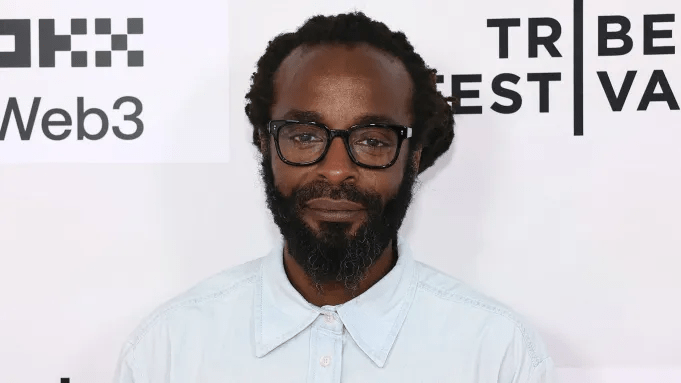
John Forté was found dead at his home in Chilmark, Massachusetts, on January 12, 2026. Local authorities confirmed that there were no immediate signs of foul play, and the matter was referred to the medical examiner for further evaluation. At the time of writing, an official cause of death has not been publicly disclosed.
The news broke quietly at first but quickly spread across social media and major news outlets. For many fans, the shock came not just from the suddenness of his passing, but from the sense that Forté had finally reached a peaceful and productive chapter in his life after years of hardship.
Also Read : BTS 2026 World Tour: Baltimore M&T Bank Stadium Concerts, Ticket Info & Fan Guide
Who Was John Forté?
To casual listeners, John Forté might have been known as “that guy associated with the Fugees.” To those who truly followed hip-hop’s evolution in the 1990s and beyond, he was far more than that.
Born in New York City in 1975, Forté was a rapper, producer, multi-instrumentalist, and songwriter with a deep understanding of melody and narrative. He wasn’t just creating beats or verses — he was building emotional layers into music at a time when hip-hop was becoming a global force.
His musical sensibility bridged worlds: street-level honesty, jazz influences, folk textures, and deeply personal storytelling. That blend made him unique, and it’s why his work continues to feel relevant today.
His Role in the Fugees and “The Score”
John Forté’s most widely known contribution came through his involvement with the Fugees, one of the most influential hip-hop groups of all time.
He collaborated closely with Wyclef Jean and was part of the Refugee Camp collective, contributing to the creative ecosystem behind the Fugees’ landmark 1996 album The Score. The album went on to become one of the best-selling hip-hop records ever, earning critical acclaim and a Grammy nomination.
While Forté wasn’t always front and center in music videos or on stage, his fingerprints were all over the sound. His musical instincts, songwriting input, and production sensibilities helped shape the album’s soulful, globally inspired feel.
Life Beyond the Spotlight
After the Fugees’ meteoric rise, Forté pursued a solo career that reflected his introspective nature. His debut album Poly Sci showcased a more personal side — thoughtful lyrics, acoustic elements, and a willingness to explore vulnerability long before that became fashionable in hip-hop.
However, just as his solo journey was gaining momentum, his life took a dramatic turn.
Arrest, Sentencing, and a Lost Decade
In 2000, John Forté was arrested on federal drug trafficking charges. Despite being a first-time offender and not the ringleader of the operation, he received a sentence of 14 years in prison.
The sentence stunned the music world. Many artists and advocates felt it was disproportionately harsh, especially given Forté’s background and the non-violent nature of the crime.
During his incarceration, Forté did not disappear creatively. He wrote music, studied philosophy, and reflected deeply on his past choices. Those years, while devastating, reshaped him as both an artist and a human being.
Clemency and a Second Chance at Life
In 2008, after serving nearly eight years, John Forté received clemency from then-President George W. Bush. The decision came after a high-profile campaign supported by fellow musicians, activists, and public figures, including Carly Simon.
His release was more than just freedom — it was a second chance few people get.
Rather than rushing back into the limelight, Forté took time to rebuild. He focused on his health, his family, and his art, approaching music with renewed clarity and gratitude.
A Powerful Artistic Rebirth
Post-prison, John Forté released some of the most emotionally rich work of his career. Albums like The Water Suite, I, John, and Vessels, Angels & Ancestors reflected an artist who had lived deeply, suffered profoundly, and emerged with wisdom.
His music during this phase felt less about chasing hits and more about telling the truth. Themes of redemption, accountability, love, and forgiveness ran through his work, resonating strongly with listeners who valued authenticity.
He also became an advocate for criminal justice reform, speaking openly about his experience and pushing for more humane sentencing laws.
Also Read : Ashton Kutcher & Mila Kunis Face Fan Backlash Again: Why Forgiveness Still Feels Out of Reach
Tributes from the Music World
Following the announcement of his death, tributes poured in from across the music industry.
Wyclef Jean described Forté as “a brother, a poet, and a survivor.” Other artists praised his quiet influence, his generosity, and his refusal to let bitterness define him.
Fans shared lyrics, concert memories, and stories of how Forté’s music helped them through difficult times. For many, he represented proof that a person is more than their worst mistake.
John Forté as a Person, Not Just an Artist
Those who knew Forté personally often spoke about his humility and depth. Despite working alongside global superstars, he remained grounded, thoughtful, and curious.
He was a husband and a father, deeply devoted to his family. In recent years, he had settled into a calmer life, balancing creativity with presence and purpose.
This human side of Forté is a big reason his death feels so personal to so many. He wasn’t just admired — he was respected.
His Lasting Legacy in Hip-Hop
John Forté may never have chased mainstream fame, but his impact is undeniable.
He helped shape one of hip-hop’s most iconic albums, survived an unjust chapter of the justice system, and returned with art that carried meaning and grace. His story is often cited as a cautionary tale, but it’s equally a story of resilience and transformation.
In an era obsessed with virality, Forté stood for substance. And that’s why his work will continue to be discovered by new listeners for years to come.
Why John Forté’s Story Still Matters
At its core, Forté’s life challenges us to think differently about success, failure, and forgiveness.
He reminds us that talent doesn’t protect you from consequences, but growth is always possible. He shows that art can survive confinement, and that purpose can be rebuilt even after everything seems lost.
In that sense, John Forté’s legacy goes far beyond music.
Also Read : Madison Beer Shares First Listen to Locket Ahead of Album Release
FAQs
Who was John Forté?
John Forté was a Grammy-nominated musician, rapper, producer, and songwriter best known for his work with the Fugees and the Refugee Camp collective.
How did John Forté die?
He was found dead at his home in Massachusetts on January 12, 2026. Authorities reported no immediate signs of foul play, and an official cause of death has not yet been announced.
How old was John Forté when he died?
John Forté was 50 years old.
Was John Forté part of the Fugees?
While not an official group member, he was a close collaborator and contributed significantly to the creative process behind The Score.
Why did John Forté go to prison?
He was convicted on federal drug charges in 2000 and sentenced to 14 years, though his sentence was later commuted in 2008.
What is John Forté’s musical legacy?
His legacy includes his work with the Fugees, his introspective solo albums, and his role as a voice for redemption, resilience, and criminal justice reform.
Join our WhatsApp channel for more updates and information about celebrities and entertainment.

I’m Atul Kumar, founder of Cine Storytellers and an entertainment creator with 5+ years of experience. I cover films, celebrities, music, and OTT content with a focus on accurate, ethical, and engaging storytelling. My goal is to bring readers trustworthy entertainment news that informs, inspires, and goes beyond gossip.