
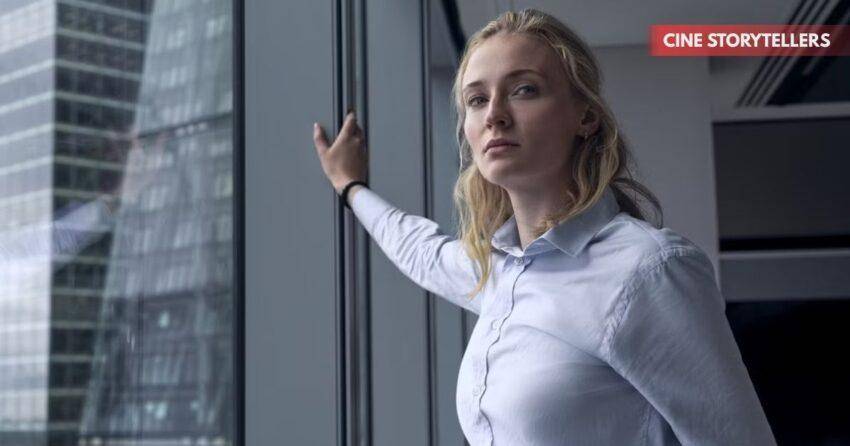
Steal is a six-episode Prime Video thriller that throws Sophie Turner into the middle of a shocking financial crime and refuses to let her – or the audience – breathe. Set in London’s high-pressure finance world, the series combines a violent office takeover, a multi-billion-pound pension fund robbery, and a deeply personal survival story. While it isn’t flawless, Steal is powered by Turner’s committed performance and an opening act that hooks you instantly. It’s tense, topical, sometimes frustrating — and very bingeable.
What Is Steal About?

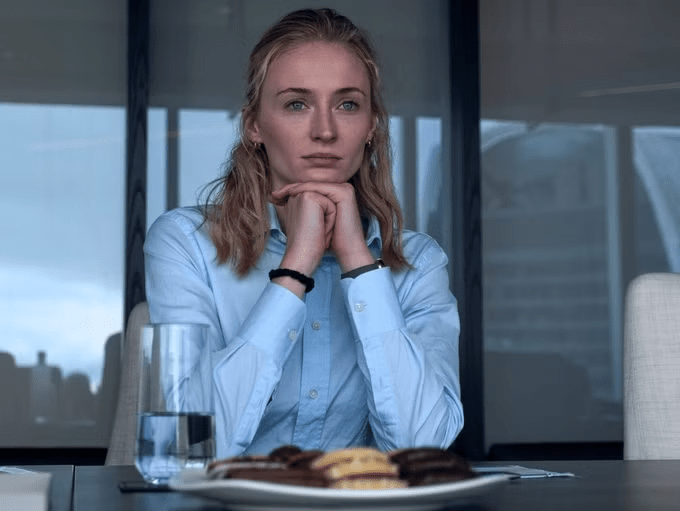
At its simplest, Steal is a heist thriller. But instead of masked criminals cracking vaults, the crime happens behind computer screens.
Sophie Turner plays Zara, an ordinary financial employee working at a firm that manages pension funds. One morning, armed intruders storm the office and force Zara and her colleague Luke to carry out a series of trades that quietly drain billions from accounts around the world. What makes the situation terrifying isn’t just the violence — it’s how invisible the crime is to everyone outside the room.
From that moment on, Steal becomes a race against time. Zara must survive the criminals controlling her, avoid suspicion from the police, and figure out who is really pulling the strings.
Sophie Turner Carries the Entire Series
This is Sophie Turner’s show, full stop.
She plays Zara as someone who never wanted to be brave, clever, or heroic — but becomes all three out of necessity. Turner leans into panic, hesitation, and fear early on, which makes Zara feel refreshingly human. She doesn’t instantly transform into a confident action lead. She stumbles. She freezes. She makes mistakes.
As the episodes progress, Turner slowly shifts Zara’s energy. The fear doesn’t disappear, but it’s joined by resolve. Watching that transformation is the most satisfying part of the series and the reason Steal works even when the plot wobbles.
This role feels like a deliberate step away from fantasy epics and into grounded, adult drama — and it pays off.
A First Episode That Grabs You by the Throat
The opening episode of Steal is genuinely excellent.
The transition from everyday office routine to full-blown hostage situation happens fast and without warning. The direction keeps things claustrophobic, trapping viewers in the same panic as the characters. Phones buzz, screens flash numbers, guns appear — and suddenly, everything is different.
This episode sets expectations high, and rightly so. It establishes tone, stakes, and character with confidence. Even viewers who end up mixed on the later episodes tend to agree: Steal starts strong.
The Unusual Choice of a Financial Heist
What separates Steal from typical crime dramas is its focus on financial systems rather than physical theft.
There are no vaults, no car chases, no diamonds. Instead, the danger comes from spreadsheets, algorithms, and split-second decisions. That choice makes the show feel modern and unsettling. It taps into a fear many people have — that their savings, pensions, and futures exist only as numbers that can vanish instantly.
By grounding the crime in something so relatable, Steal gives its thriller elements extra weight.
Also Read : James Bond – Age, Height, Family, Career, TV Shows, Awards, Net Worth
Supporting Characters That Mostly Work
Archie Madekwe plays Luke, Zara’s colleague and emotional anchor. Their friendship feels believable, and Luke’s presence provides moments of warmth and moral conflict in an otherwise cold world. He’s not just there to support Zara — he has his own fears, flaws, and limits.
On the law-enforcement side, the investigating officers bring an external perspective that slowly tightens the noose. These scenes add tension, even when the narrative occasionally splits its focus too thin.
Not every supporting character gets enough development, but the core relationships are strong enough to keep the story grounded.
Pacing Problems in the Middle Episodes
This is where Steal starts to wobble.
After a razor-sharp beginning, the middle episodes slow down. New plot threads appear, motivations become murkier, and the story sometimes feels like it’s complicating itself for the sake of twists. Instead of escalating tension, certain episodes pause it.
That said, the show never completely loses momentum. There’s always just enough danger or intrigue to keep you watching — even if you wish the narrative were a little tighter.
Themes That Feel Uncomfortably Relevant
One of Steal’s strongest qualities is how close to real life it feels.
By centering the crime around pension funds, the show quietly raises uncomfortable questions about trust, power, and who really suffers when financial systems collapse. Ordinary people are the unseen victims of decisions made in glass offices by people they’ll never meet.
The series doesn’t preach, but it doesn’t shy away from the consequences either. That thematic layer gives Steal more substance than a standard thriller.
Also Read : Joe Keery & Tinie Tempah on The Graham Norton Show: Full Recap, Music & Highlights
Atmosphere, Direction, and Visual Style
Visually, Steal keeps things grounded and tense. Offices feel sterile and oppressive. Police stations feel busy and stressed. Homes feel unsafe.
The camera work favors close-ups and confined spaces, reinforcing the sense of being watched and trapped. There’s no flashy style here — and that’s intentional. The realism makes the story more unsettling.
The sound design also deserves credit. Keyboard clicks, notification pings, and muffled conversations add to the pressure, reminding viewers that danger doesn’t always announce itself loudly.
A Finale That Divides Opinion
Without spoiling anything, the final episodes of Steal aim for emotional and moral resolution rather than pure spectacle.
Some viewers will appreciate that restraint. Others may feel the ending doesn’t fully match the intensity of the opening. It’s thoughtful, but not explosive.
Still, the finale stays true to Zara’s journey, and that consistency matters more than shock value.
Is Steal Worth Watching?
Yes — especially if you enjoy character-driven thrillers.
Steal isn’t perfect. It can be overcomplicated. It occasionally loses focus. But it offers something many thrillers don’t: a believable protagonist, a relevant premise, and genuine tension rooted in everyday fears.
Sophie Turner’s performance alone makes it worth your time.
How Steal Compares to Other Prime Video Thrillers
Compared to glossy international thrillers, Steal feels smaller and more intimate. It’s less about global espionage and more about personal consequence.
That makes it messier — but also more human. If you prefer grounded drama over high-concept spectacle, Steal will likely resonate with you.
Also Read : Bert Kreischer Family Life: Everything About His Wife LeeAnn and Their Daughters
FAQs
How many episodes are in Steal?
Steal consists of six episodes, all available to stream on Prime Video.
Is Steal based on a true story?
No, the series is fictional, but it draws inspiration from real-world financial systems and vulnerabilities.
What genre is Steal?
It’s primarily a crime thriller, with elements of psychological drama and social commentary.
Is Steal suitable for binge-watching?
Yes. Despite pacing issues in the middle, the short episode count and strong opening make it easy to binge.
Does Sophie Turner play the lead role?
Yes. Sophie Turner is the central focus of the series and appears in nearly every major storyline.
Join our WhatsApp channel for more updates and information about celebrities and entertainment.


I’m Atul Kumar, founder of Cine Storytellers and an entertainment creator with 5+ years of experience. I cover films, celebrities, music, and OTT content with a focus on accurate, ethical, and engaging storytelling. My goal is to bring readers trustworthy entertainment news that informs, inspires, and goes beyond gossip.