
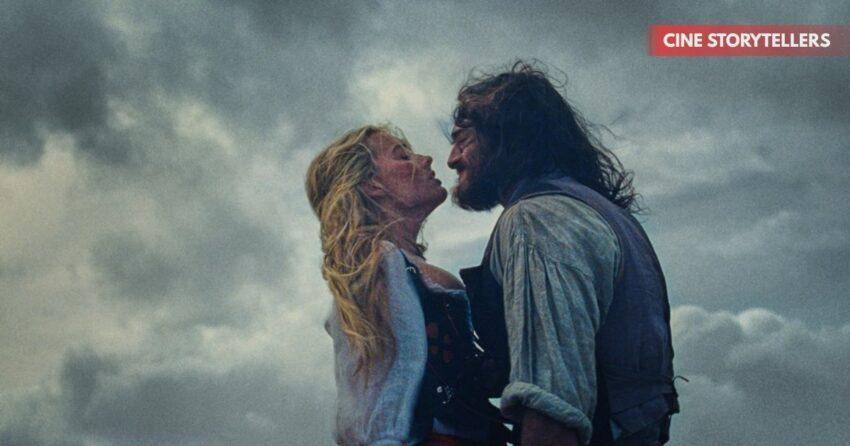
Emerald Fennell’s latest film adaptation of Wuthering Heights is anything but traditional. Starring Margot Robbie and Jacob Elordi, the 2026 release reimagines Emily Brontë’s classic gothic romance by shifting the moral center of the story and reframing who the true villain is. By elevating Nelly Dean’s role and softening Heathcliff’s brutality, Fennell delivers a provocative, visually lush, and emotionally divisive interpretation. Here’s a complete deep dive into what the film changes, what works, what doesn’t, and why everyone is talking about it.
Emerald Fennell Takes on a Literary Giant

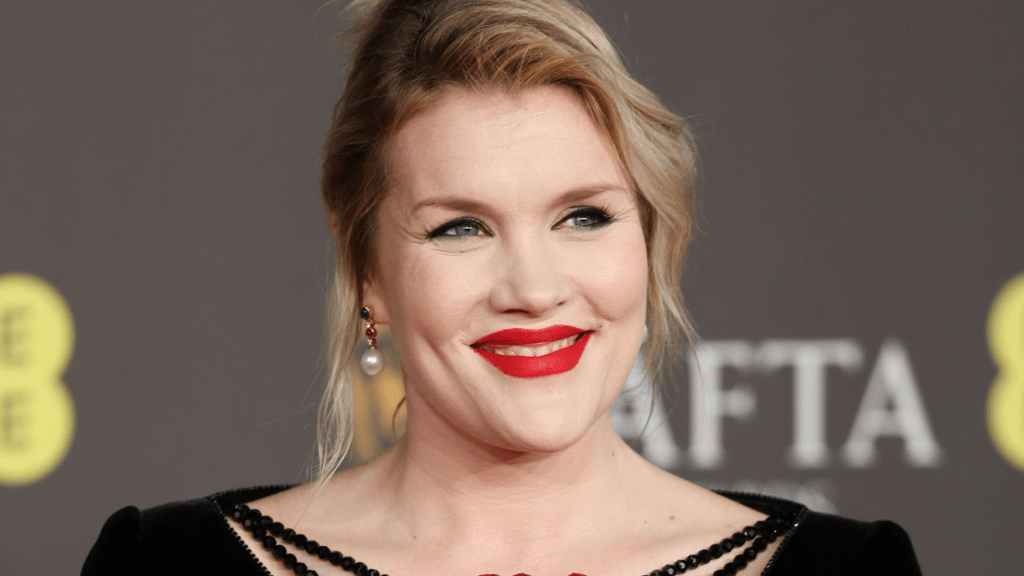
Adapting Wuthering Heights is no small task. Emily Brontë’s gothic masterpiece has haunted readers for nearly two centuries with its stormy romance, generational trauma, and morally complex characters. Any filmmaker stepping into this territory faces a simple question: stay faithful or take risks?
Director Emerald Fennell clearly chose the second option.
Her 2026 adaptation doesn’t just retell the story—it reinterprets it. The film, starring Margot Robbie as Catherine Earnshaw and Jacob Elordi as Heathcliff, shifts the emotional weight and moral framing of the novel in ways that feel distinctly modern.
Some viewers call it bold. Others call it controversial. But almost everyone agrees: it’s impossible to ignore.
A Radical Shift: Who Is the Real Villain?
Traditionally, Heathcliff is viewed as the novel’s central antagonist—an orphan turned obsessive lover whose thirst for revenge destroys multiple lives. His cruelty is legendary.
Fennell, however, reframes that narrative.
In this adaptation, Heathcliff is still wounded and intense, but he is portrayed with more vulnerability than outright menace. His rage feels reactive rather than inherently malicious. Instead, the film directs its sharpest scrutiny toward Nelly Dean.
Nelly, often seen in the novel as a caretaker and narrator, becomes something far more complex here. Her choices, silences, and manipulations are given greater narrative weight. Rather than a passive observer, she becomes an active force shaping the tragedy.
It’s a daring choice. By shifting blame from the obvious antihero to a character long considered morally steady, Fennell invites audiences to reconsider the power dynamics within the story.
And that’s where the debate begins.
Also Read : Spider-Noir Teaser Trailer Breakdown: Nicolas Cage Leads Marvel’s Darkest Spider Series Yet
Cutting the Second Generation: A Focused but Risky Move
One of the most significant structural changes in this adaptation is the removal of the novel’s second half.
In Brontë’s original, the story doesn’t end with Catherine and Heathcliff’s tragedy. It continues with the next generation, offering redemption and resolution. That dual-generation arc is part of what gives the novel its emotional complexity.
Fennell eliminates that entirely.
Her film ends within the confines of Cathy and Heathcliff’s doomed romance. The result is a tighter, more focused narrative—but also one that feels more claustrophobic and bleak.
By doing this, Fennell amplifies the passion and destructiveness of the central relationship. The story becomes less about legacy and healing, and more about obsession and emotional combustion.
For some viewers, that intensity is thrilling. For others, it strips away the novel’s broader philosophical scope.
Margot Robbie as Catherine: Wild, Magnetic, Unpredictable
Casting Margot Robbie as Catherine Earnshaw is a statement in itself.
Robbie brings an electric unpredictability to Cathy. She’s not a delicate Victorian heroine—she’s fiery, impulsive, and at times almost feral. Her emotional swings feel immediate and raw.
This portrayal leans into Cathy’s selfishness and volatility rather than romanticizing it. The result is a character who is both captivating and difficult.
Robbie’s performance anchors the film’s emotional chaos. Whether she’s whispering to Heathcliff on the windswept moors or making socially strategic decisions about marriage, her presence commands attention.
It’s not a soft performance—and it’s not meant to be.
Jacob Elordi’s Heathcliff: Brooding but Human
Opposite Robbie, Jacob Elordi delivers a Heathcliff that’s less monstrous and more wounded.
Instead of leaning into pure vengeance, Elordi emphasizes alienation and heartbreak. His Heathcliff feels like someone shaped by rejection rather than driven purely by cruelty.
That subtle shift changes the emotional equation. The audience is invited to sympathize more openly with him, even when his choices spiral into darkness.
This interpretation aligns with Fennell’s broader theme: that villainy is often born from pain, not destiny.
Visual Style: Gothic Meets Modern Sensibility
Visually, the film is lush and atmospheric. The moors are expansive, windswept, and almost alive. Interiors are shadowed and intimate, emphasizing isolation.
But Fennell doesn’t treat the story like a museum piece.
There’s a modern sensibility in the pacing, the framing of intimacy, and even in how the camera lingers on emotional exchanges. It feels less like a stiff period drama and more like a psychological romance unfolding in heightened reality.
The costume design respects the era without feeling overly restrained. The aesthetic serves the characters’ emotional states rather than historical precision alone.
This blending of tradition and modern storytelling gives the film a distinct identity.
Why Audiences Are Divided
Reactions to this adaptation have been intensely mixed.
Fans of the novel often struggle with the villain shift and the removal of the second generation storyline. For them, these changes alter the core message of Brontë’s work.
Others appreciate the reinterpretation. They argue that adaptations should bring new perspectives, not simply replicate what’s already been done.
There’s also the question of emotional depth. Some viewers feel the film prioritizes aesthetic boldness over psychological nuance. Others believe the performances carry enough intensity to compensate.
What’s undeniable is that the film sparks conversation—and that, in itself, is a sign of impact.
Also Read : Taapsee Pannu Praises Anubhav Sinha’s Impactful Vision Ahead of Assi Release
The Modern Lens on Obsession and Power
One of the most compelling aspects of Fennell’s version is how it frames obsession.
Rather than portraying Cathy and Heathcliff’s bond as purely romantic, the film emphasizes its toxicity. Their connection is powerful, yes—but it’s also damaging.
The story becomes less about star-crossed lovers and more about emotional dependency, pride, and social constraint.
By placing more narrative responsibility on Nelly, the film also examines how bystanders—and caretakers—can influence outcomes through inaction or manipulation.
This thematic layering gives the adaptation contemporary resonance. It speaks to modern conversations about agency, emotional accountability, and narrative bias.
Adaptation vs. Interpretation: The Bigger Debate
Every adaptation faces scrutiny. But when dealing with a literary icon like Wuthering Heights, that scrutiny intensifies.
Should filmmakers preserve every plot detail? Or should they reinterpret themes for new audiences?
Fennell clearly believes in reinterpretation.
Her film doesn’t replace the novel. It converses with it. It challenges assumptions. It reframes characters long considered fixed in their moral roles.
Whether you agree with her choices or not, the creative conviction is evident.
Final Verdict: A Bold, Imperfect, Unforgettable Take
Emerald Fennell’s Wuthering Heights is not a safe adaptation. It’s bold, stylized, and unapologetically interpretive.
By softening Heathcliff and elevating Nelly as a more central antagonist, the film shifts the moral gravity of the story. By cutting the second generation, it intensifies the tragedy. By leaning into modern psychological framing, it reshapes how audiences experience a 19th-century narrative.
Is it faithful? Not entirely.
Is it compelling? Absolutely.
Love it or critique it, this version ensures that Wuthering Heights remains alive in cultural conversation rather than preserved as a static classic.
And perhaps that’s the greatest achievement of all.
Also Read : Bijou Phillips Hospitalized, on Dialysis and Seeking Kidney Donor After Transplant Failure
FAQs
Is Emerald Fennell’s Wuthering Heights faithful to the book?
No, it takes significant creative liberties, including changing character dynamics and removing the second-generation storyline.
Who plays Catherine and Heathcliff?
Margot Robbie stars as Catherine Earnshaw, and Jacob Elordi portrays Heathcliff.
Why is Nelly portrayed differently?
The film reimagines Nelly as a more active and morally complex figure, shifting much of the narrative responsibility toward her actions.
Does the movie include the next generation storyline?
No, the adaptation focuses solely on Catherine and Heathcliff’s tragic romance.
Why are critics divided on the film?
Some praise its bold reinterpretation and performances, while others feel it sacrifices the novel’s depth and structure.
Join our WhatsApp channel for more updates and information about celebrities and entertainment.


I’m Atul Kumar, founder of Cine Storytellers and an entertainment creator with 5+ years of experience. I cover films, celebrities, music, and OTT content with a focus on accurate, ethical, and engaging storytelling. My goal is to bring readers trustworthy entertainment news that informs, inspires, and goes beyond gossip.