

Sherri Shepherd’s daytime talk show Sherri is officially coming to an end after four seasons, marking another major shift in the rapidly changing daytime television landscape. While fans were quick to worry about ratings or controversy, the truth behind the cancellation is far more complex. The decision reflects broader industry changes rather than any failure on Shepherd’s part. This article breaks down what led to the show’s cancellation, how Sherri performed during its run, what it meant to viewers, and where Sherri Shepherd goes next.
Sherri Shepherd’s Talk Show Is Ending After Four Seasons

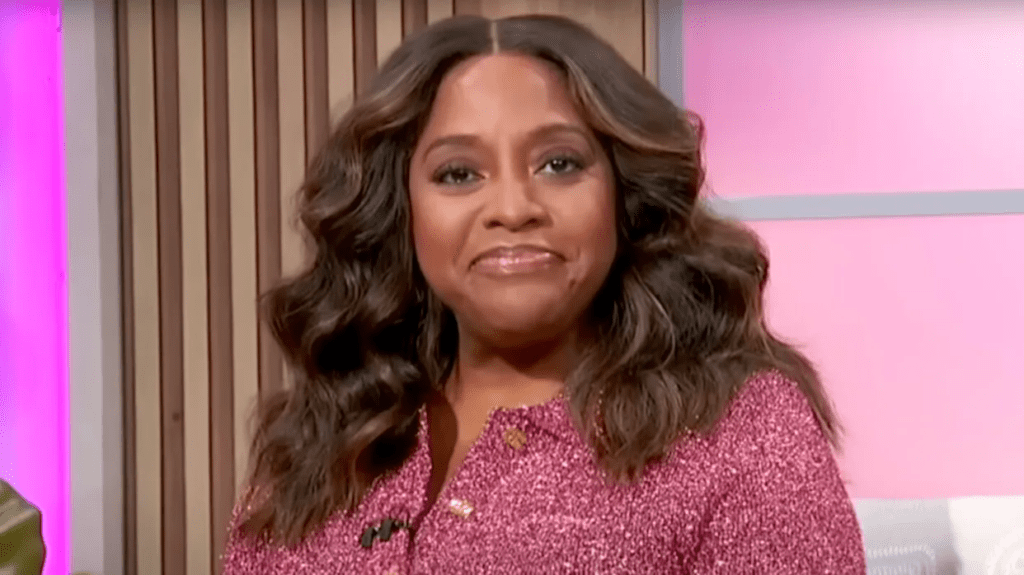
The news that Sherri is ending after four seasons caught many daytime TV viewers off guard. The show, hosted by comedian and actress Sherri Shepherd, had built a consistent presence since its debut in 2022 and maintained a loyal audience throughout its run.
Importantly, Sherri was not abruptly pulled from the schedule. The show will finish out its planned season, giving it a proper sendoff rather than an unceremonious exit. That detail alone speaks volumes — this was a business decision, not a reaction to crisis.
Was Sherri Really Canceled?
Yes, Sherri has officially been canceled, not merely paused or put on hiatus. No new seasons have been ordered beyond the current run, confirming that its time in first-run syndication is ending.
However, “canceled” does not necessarily mean rejected. Producers have openly stated that the show still has value and that alternative platforms could be explored in the future. In today’s TV environment, that distinction matters.
Why Sherri Was Canceled – And What It Wasn’t About
One of the biggest misconceptions surrounding the cancellation is that it was due to poor ratings or lack of audience interest. That simply isn’t true.
Producers were clear that the decision was driven by structural changes in daytime television, including:
- Rising production costs
- Shifting advertising strategies
- Declining traditional TV viewership
- Increased competition from digital platforms
Daily syndicated talk shows are becoming harder to sustain financially, even when they perform respectably. Sherri became a casualty of those broader market forces, not a creative failure.
How Sherri Performed During Its Run
When Sherri launched in 2022, it stepped into a challenging role by replacing The Wendy Williams Show, which had ended after a long and complicated run.
Despite the pressure, the show found its footing quickly. It secured wide station clearance across major markets, held steady ratings, and attracted advertisers looking for a positive, personality-driven format.
The show also earned industry recognition, including award nominations that reflected its cultural relevance and production quality. In other words, Sherri did exactly what it was designed to do — just in a shrinking ecosystem.
What Made Sherri Different From Other Daytime Shows
Sherri stood out because it didn’t try to reinvent the daytime talk format — it refined it.
Sherri Shepherd leaned into:
- Humor rooted in real life
- Relatable personal stories
- Pop culture without cruelty
- Guest conversations that felt casual, not rehearsed
The show offered warmth at a time when much of daytime TV had become polarizing or heavily politicized. For many viewers, Sherri felt like a comfortable daily check-in rather than background noise.
Sherri Shepherd’s Role in the Show’s Identity
The success of Sherri was inseparable from Shepherd herself. With decades of experience in comedy, sitcoms, and talk television, she brought a sense of ease that can’t be manufactured.
Shepherd wasn’t playing a version of herself — she was herself. That authenticity helped the show connect with audiences who value sincerity over spectacle.
Her background as a co-host on The View also gave her a strong foundation in navigating live conversation, sensitive topics, and audience engagement.
Also Read : Disney CEO Josh D’Amaro: Why the Parks Chief Is Replacing Bob Iger
The Broader Crisis Facing Daytime Talk Shows
The end of Sherri isn’t an isolated event. Daytime television as a whole is in transition.
Traditional syndication relies on:
- Consistent live viewership
- Local affiliate support
- Long-term advertiser commitments
All three are under pressure as audiences move toward streaming, on-demand clips, and social media content. Even established hosts with strong fan bases are feeling the impact.
The cancellation of Sherri fits into a growing list of daytime shows struggling to survive in this new media environment.
Why This Isn’t the End of Sherri Shepherd’s Career
If anything, the end of Sherri may free Shepherd to explore new creative opportunities.
She remains:
- A recognizable television personality
- A respected comedian and actress
- A proven talk-show host
Producers have hinted at the possibility of reimagining Sherri for other platforms, including streaming, digital series, or limited-run formats. These options offer flexibility that daily syndication simply can’t.
How Fans Have Reacted to the Cancellation
Audience reaction has been emotional but largely supportive.
Many fans expressed disappointment, especially those who made Sherri part of their daily routine. Others focused on gratitude, thanking Shepherd for creating a space that felt joyful and inclusive.
Rather than outrage, the dominant sentiment has been appreciation — a sign that the show left a positive impression rather than burning out its audience.
What Happens Next for the Show
While Sherri will end its syndicated run, the brand itself isn’t necessarily gone forever.
In today’s media landscape, shows can evolve into:
- Streaming talk formats
- Podcast-style series
- Special event programming
- Digital-first content
Whether Sherri takes one of those paths remains to be seen, but the door has clearly been left open.
What Sherri’s Cancellation Says About Daytime TV’s Future
The cancellation highlights a sobering reality: daytime TV is no longer just about popularity or talent.
Survival now depends on:
- Adaptability
- Platform flexibility
- Lower production overhead
- Multi-channel audience engagement
Shows that can’t evolve fast enough — even successful ones — are at risk. Sherri may be one of the clearest examples of that shift.
A Meaningful Run, Not a Failure
Four seasons in modern daytime television is not insignificant. Sherri built an identity, found its audience, and contributed positively to the genre.
Its ending isn’t a failure — it’s a reflection of an industry in flux.
For Sherri Shepherd, it marks the close of one chapter, not the end of the story.
Also Read : Susan Lucci Memoir Reveals Life After Loss, Career Highs, and Hard Truths
FAQs
Was Sherri Shepherd fired from her talk show?
No. The show was canceled due to industry and market changes, not because of Shepherd’s performance.
How long did Sherri run?
The show aired for four seasons, from 2022 through 2026.
Did ratings cause the cancellation?
No. Ratings were not cited as the reason for the show’s ending.
Will Sherri return on another platform?
Producers have said they are open to exploring alternative platforms in the future.
What is Sherri Shepherd doing next?
While no official announcement has been made, Shepherd is expected to continue working in television, comedy, and entertainment.
Join our WhatsApp channel for more updates and information about celebrities and entertainment.


I’m Atul Kumar, founder of Cine Storytellers and an entertainment creator with 5+ years of experience. I cover films, celebrities, music, and OTT content with a focus on accurate, ethical, and engaging storytelling. My goal is to bring readers trustworthy entertainment news that informs, inspires, and goes beyond gossip.