
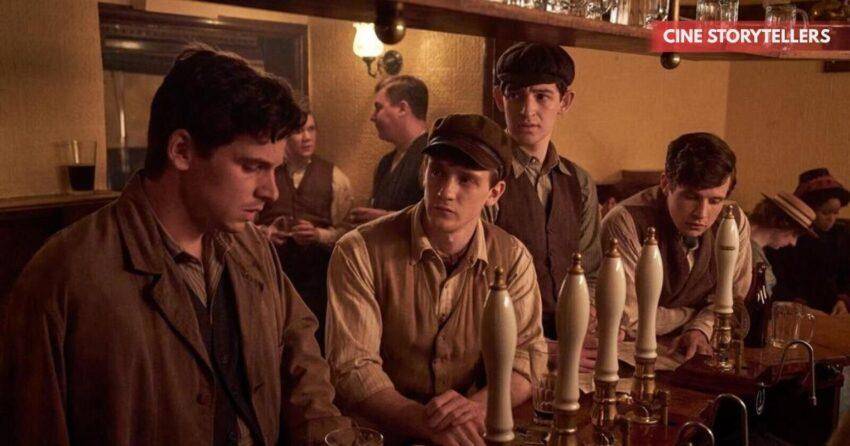
The Choral (2025), directed by Nicholas Hytner and written by Alan Bennett, tells the story of a small Yorkshire town navigating the hardships of World War I through music, hope, and communal solidarity. Ralph Fiennes stars as Dr. Henry Guthrie, a cultured and somewhat controversial chorus master who seeks to rebuild the town’s depleted choral society. With a strong ensemble cast, evocative music — notably Edward Elgar’s The Dream of Gerontius — and intimate storytelling, the film offers both emotional depth and artistic charm. While the sprawling cast and occasional uneven pacing may challenge some viewers, the film’s heart and the power of music make it a memorable cinematic experience.
A Story Set Against the Turmoil of War

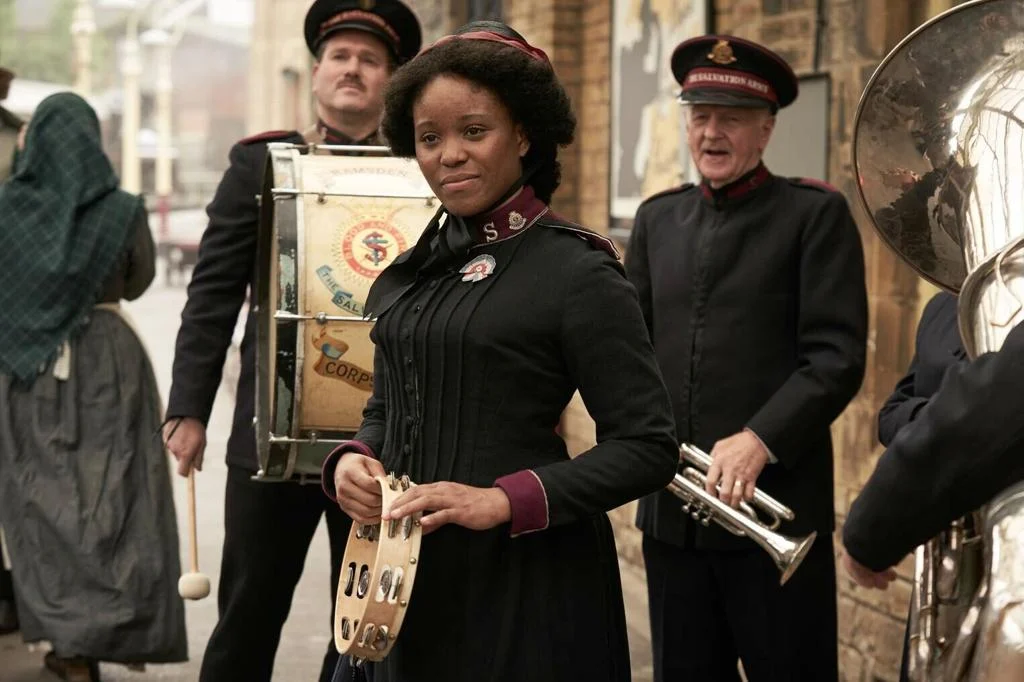
Set in 1916, in Ramsden, Yorkshire, The Choral follows a community grappling with the devastating impact of World War I. With many young men conscripted or lost in battle, the town’s choral society struggles to survive. Amid this backdrop, Dr. Henry Guthrie, portrayed by Ralph Fiennes, arrives as the new chorus master, bringing both his European musical sensibilities and a deep love for choral art.
The narrative explores not only the challenges of war but also the ways art and community can offer solace, connection, and resilience. The story highlights that even in the darkest of times, music can serve as both emotional refuge and moral compass.
Ralph Fiennes Anchors the Ensemble
At the heart of The Choral is Ralph Fiennes, whose performance as Dr. Guthrie is nuanced, layered, and magnetic. Fiennes captures the quiet determination and moral authority of a man bridging cultural gaps during a fraught era. His interactions with the choir and the townspeople reveal a delicate balance of empathy, discipline, and subtle humor, bringing the character to life.
Fiennes’ performance grounds the film, making the audience invested in both his personal journey and the larger story of the town’s recovery through music. Critics have praised him for delivering one of his most compelling roles in recent years.
Ensemble Cast and Community Dynamics
The supporting cast enriches the story with multiple perspectives, reflecting the complexity of wartime society. Characters include town residents struggling with grief, social prejudice, and personal sacrifices. While the large ensemble brings authenticity to the story, the film occasionally struggles to give each subplot sufficient depth, which can make the narrative feel sprawling.
Nonetheless, these intersecting storylines offer a vivid portrait of communal life and collective struggle, illustrating how individuals find strength through shared purpose and art.
Music as Heart and Soul
Music is the lifeblood of The Choral. Dr. Guthrie leads the choir in preparing Edward Elgar’s The Dream of Gerontius, a spiritually rich oratorio that mirrors the townspeople’s emotional journey. This piece becomes a symbol of hope, resilience, and the transformative power of art.
Choral rehearsals and performances are shot with reverence, capturing the emotional and spiritual resonance of music. The sequences emphasize not just the technical beauty of the pieces but also their capacity to heal, unite, and inspire communities in times of hardship.
Themes of Class, Prejudice, and Acceptance
Set during wartime, the film explores themes of identity, class, and suspicion. Dr. Guthrie’s German-influenced background makes him an outsider in patriotic England, generating tension and skepticism among townspeople. The film examines how fear, prejudice, and societal pressures can challenge artistic expression and personal connections, adding layers of historical and emotional complexity.
Through this lens, the story becomes more than a simple period drama — it’s a reflection on human resilience, tolerance, and the ability of art to bridge divides.
Historical Depth and Authenticity
Written by Alan Bennett and directed by Nicholas Hytner, the film blends theatrical precision with cinematic storytelling. Bennett’s hallmark dialogue, attention to character, and rich historical context imbue the film with authenticity, while Hytner’s direction ensures that the music and emotional arcs remain engaging.
The production design and cinematography immerse viewers in early 20th-century Yorkshire, offering visual and emotional authenticity without distracting from the story’s central focus on music and community.
Also Read : Janet Buchan: The Untold Story of John Elway’s First Wife, Her Athletic Roots, and Quiet Legacy
Emotional Resonance and Wartime Realities
While the film celebrates the unifying power of music, it also confronts the harsh realities of World War I. Families are affected by conscription, loss, and societal change, and these moments of grief are handled with quiet dignity.
Youthful choir members symbolize both innocence and the looming responsibilities of adulthood, while their engagement with music offers a poignant commentary on resilience and the healing power of creative expression.
Visual Storytelling and Cinematic Craft
The Choral employs naturalistic cinematography that prioritizes authenticity and intimacy. Performance sequences, especially the climactic oratorio, are filmed with care to capture both the grandeur of the music and the emotional vulnerability of the singers. Hytner’s visual approach complements Bennett’s script, balancing restraint with dramatic emphasis when necessary.
This cinematic style allows viewers to feel fully immersed in the period, the community, and the music that binds them.
Where the Film Struggles
Despite its many strengths, the film faces challenges. The large ensemble cast and multiple subplots sometimes dilute the impact of individual stories. Some viewers may find the pacing uneven, particularly when balancing musical sequences with character development.
Additionally, the film’s focus on choral preparation and performances may feel slow to audiences expecting more conventional wartime drama. Yet these choices are deliberate, emphasizing contemplation, emotional resonance, and the reflective nature of art.
Overall Impression
The Choral succeeds as a heartfelt exploration of music, community, and resilience. Ralph Fiennes anchors the film with a commanding performance, supported by an ensemble cast that brings richness and authenticity to the story. While its sprawling narrative and deliberate pacing may not appeal to everyone, the film’s emotional core — the transformative power of music and shared human experience — leaves a lasting impression.
For viewers who appreciate historical dramas, ensemble storytelling, and the spiritual resonance of music, The Choral is a compelling and memorable cinematic experience.
Also Read : JoJo Siwa Breaks Silence on Online Hate: The Singer Speaks Out
FAQs
What is The Choral about?
The Choral is set in WWI-era Yorkshire and tells the story of a town rebuilding its choral society amid loss, war, and social tension. Ralph Fiennes stars as the new chorus master leading the community through music.
Who stars in the film?
Ralph Fiennes leads the cast, supported by Roger Allam, Mark Addy, Simon Russell Beale, Amara Okereke, and others.
Who wrote and directed it?
The screenplay was written by Alan Bennett and directed by Nicholas Hytner.
When was it released?
The film premiered in the U.S. on December 25, 2025.
What is the central musical piece in the film?
The choir performs Edward Elgar’s The Dream of Gerontius, central to the story’s emotional and symbolic arc.
Is it a traditional war movie?
No, while it is set during WWI, the focus is on community, art, and emotional resilience rather than battlefield action.
Join our WhatsApp channel for more updates and information about celebrities and entertainment.


I’m Atul Kumar, founder of Cine Storytellers and an entertainment creator with 5+ years of experience. I cover films, celebrities, music, and OTT content with a focus on accurate, ethical, and engaging storytelling. My goal is to bring readers trustworthy entertainment news that informs, inspires, and goes beyond gossip.