

Jennifer Lawrence has never been afraid to speak her mind, but her latest revelation has struck a particularly deep chord. The Oscar-winning actress recently shared that she believes she lost out on a role in a Quentin Tarantino film because people online claimed she wasn’t “pretty enough.” Whether taken literally or symbolically, the comment has reignited long-standing conversations about beauty standards, public perception, and how casting decisions are shaped in modern Hollywood. This article breaks down what Lawrence said, the context behind the role, and why her honesty resonates far beyond one missed opportunity.
What Jennifer Lawrence Actually Said

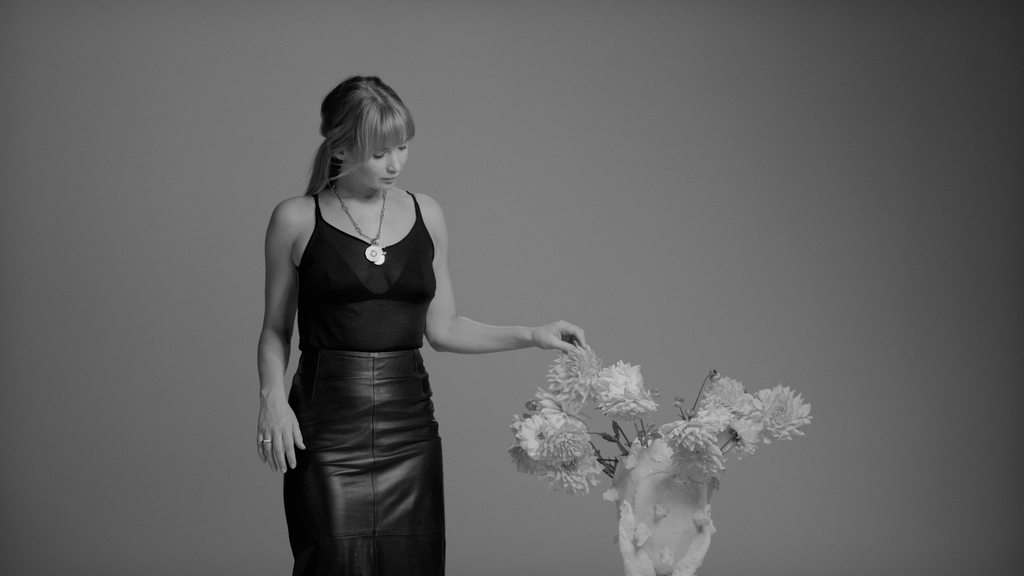
Jennifer Lawrence’s comments came during a relaxed, candid conversation, but the impact was immediate. She revealed that she believes Quentin Tarantino once considered her for a role in Once Upon a Time in Hollywood, only for the casting to shift after online chatter questioned whether she was “pretty enough” for the part.
Lawrence didn’t frame the moment with bitterness. Instead, she spoke with self-awareness, even admitting that she’s repeated the story so many times she sometimes wonders whether it became truth through memory. Still, the core point remained: perception mattered, and it may have mattered more than talent.
That honesty is classic Jennifer Lawrence—unguarded, reflective, and disarmingly human.
The Role That Sparked the Conversation
The role in question is believed to be Sharon Tate, a real-life actress and cultural icon portrayed in Once Upon a Time in Hollywood. The part ultimately went to Margot Robbie, whose performance was widely praised for its warmth and restraint.
Sharon Tate occupies a unique place in Hollywood history. Casting her wasn’t just about acting skill—it carried emotional, historical, and visual weight. That combination made the role especially sensitive and highly scrutinized.
Lawrence’s comments reopened the debate about how much appearance should matter when portraying real people—and who gets to decide what’s “close enough.”
Quentin Tarantino and Jennifer Lawrence: A Complicated What-If
Jennifer Lawrence and Quentin Tarantino have crossed creative paths before, at least in conversation. Tarantino has openly praised Lawrence in the past and even considered her for roles in earlier projects.
At one point, Lawrence herself turned down an opportunity to work with him, a decision she has since admitted she regrets. That history adds layers to her latest revelation—it’s not about rejection alone, but about timing, perception, and missed intersections.
Rather than framing Tarantino as the villain, Lawrence’s comments suggest a broader system at play—one where public opinion, studio nerves, and online discourse subtly influence decisions.
Also Read : Lou Christie Dies at 82: Remembering the Voice Behind ‘Lightnin’ Strikes’
The Power of Internet Perception in Casting
One of the most striking aspects of Lawrence’s story is how much weight she believes online reaction carried. In today’s entertainment landscape, casting decisions don’t happen in a vacuum.
Social media amplifies opinions instantly. Fans speculate, criticize, and campaign before a project even begins filming. For studios, that noise can feel impossible to ignore.
Lawrence’s experience highlights a modern reality: actors aren’t just auditioning for directors anymore—they’re auditioning for the internet.
Beauty Standards Hollywood Still Won’t Let Go Of
Despite years of conversation about inclusivity and representation, Hollywood remains deeply influenced by traditional beauty standards—especially for women.
Jennifer Lawrence, one of the most successful actresses of her generation, suggesting she wasn’t “pretty enough” is revealing. It underscores how narrow and unrealistic those standards can be.
The irony isn’t lost on fans. Lawrence has been celebrated for her relatability, authenticity, and screen presence. Yet even she isn’t immune to appearance-based judgment.
Was It Really About Looks—or About Likeness?
Some defenders of the casting decision argue that the role required physical resemblance rather than conventional beauty. Sharon Tate was a real person, and her family’s perspective reportedly played a role in the final choice.
This raises an important distinction: when does likeness cross into exclusion? And who decides which features matter most?
Lawrence’s comments don’t dismiss Margot Robbie’s casting. Instead, they invite a deeper look at how criteria are set—and who inevitably gets left out.
Why Jennifer Lawrence’s Honesty Resonates
What makes this moment powerful isn’t outrage—it’s vulnerability. Lawrence didn’t position herself as a victim. She shared a belief, acknowledged uncertainty, and moved forward.
That openness resonates because it reflects how many people experience rejection—not always with clear answers, but with lingering questions.
Her willingness to speak openly about doubt and perception makes her story relatable far beyond Hollywood.
A Career Big Enough to Absorb a Missed Role
It’s important to remember that Jennifer Lawrence’s career didn’t suffer because of this moment. She remains an Oscar winner, box-office draw, and respected performer.
From dramatic performances to blockbuster franchises, Lawrence has proven her range repeatedly. A single missed role—no matter how high-profile—doesn’t define her trajectory.
If anything, this story adds texture to an already impressive career, showing that even the most successful actors face uncertainty.
Also Read : Rob Zombie and Marilyn Manson Announce 2026 Freaks on Parade Tour: Dates, Tickets & Full Details
Public Reaction: Support, Debate, and Reflection
As expected, reactions poured in quickly. Many fans rallied around Lawrence, pointing out the absurdity of questioning her suitability based on appearance.
Others emphasized that casting is complex and that Margot Robbie’s performance deserved recognition without comparison.
The healthiest responses, however, focused on the broader conversation—using Lawrence’s story as a lens to examine industry norms rather than attacking individuals.
How Hollywood Is Slowly Changing—But Not Fast Enough
There’s no denying progress has been made in recent years. More diverse stories are being told, and casting conversations are evolving.
But Lawrence’s comments remind us that old habits persist, especially when it comes to women and appearance. Change may be happening—but it’s uneven and incomplete.
Her voice adds credibility to ongoing calls for casting based on depth, capability, and perspective—not just surface-level expectations.
What This Means for Actors Moving Forward
For younger actors watching this unfold, Lawrence’s honesty offers both caution and comfort. Casting decisions are not always rational or fair—but they aren’t always personal either.
Her experience shows that even perceived rejection doesn’t limit long-term success. Careers are built over time, not on single roles.
And perhaps most importantly, it reinforces the value of speaking openly—because silence doesn’t change systems, but conversation can.
Final Thoughts: More Than a Missed Role
Jennifer Lawrence’s story isn’t really about losing a Quentin Tarantino role. It’s about how stories are shaped—by memory, by perception, and by an industry still wrestling with its priorities.
Whether her belief is factually precise matters less than what it represents. It reveals how actors internalize rejection, how beauty standards persist, and how public opinion has real influence.
In sharing her truth, Lawrence once again proves why audiences connect with her—not just as an actress, but as a person navigating a complicated industry with honesty and humor.
Also Read : Jenna Ortega and Gwendoline Christie’s Viral Labubu Red Carpet Moment at Wednesday Season 2 Premiere
FAQs
What role did Jennifer Lawrence say she lost?
She believes she missed out on a role in Once Upon a Time in Hollywood, potentially the character of Sharon Tate.
Did Quentin Tarantino confirm this casting story?
No official confirmation has been made. Lawrence acknowledged that her belief is based on memory and perception.
Who ultimately played Sharon Tate?
Margot Robbie portrayed Sharon Tate in the film.
Why is this story important?
It highlights ongoing conversations about beauty standards, online influence, and casting dynamics in Hollywood.
Has Jennifer Lawrence worked with Quentin Tarantino before?
No, but Tarantino has previously expressed interest in her, and Lawrence has said she regrets turning down an earlier opportunity.
Join our WhatsApp channel for more updates and information about celebrities and entertainment.


I’m Atul Kumar, founder of Cine Storytellers and an entertainment creator with 5+ years of experience. I cover films, celebrities, music, and OTT content with a focus on accurate, ethical, and engaging storytelling. My goal is to bring readers trustworthy entertainment news that informs, inspires, and goes beyond gossip.