
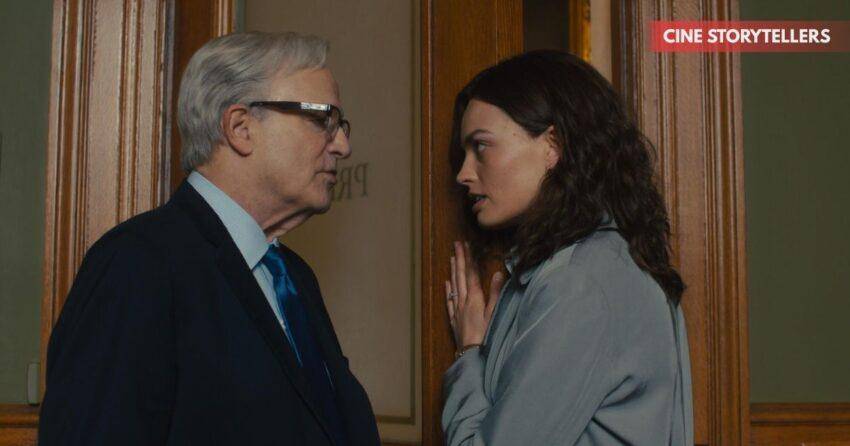
After years away from feature filmmaking, James L. Brooks returns with Ella McCay, a character-driven political dramedy that leans into empathy rather than cynicism. Anchored by a quietly powerful performance and supported by a rich ensemble cast, the film explores leadership, loss, and human connection in a way that feels both old-school and deeply relevant. It’s not a loud political statement, but a gentle reminder that hope, kindness, and personal growth still matter — especially now.
James L. Brooks Returns to Feature Films

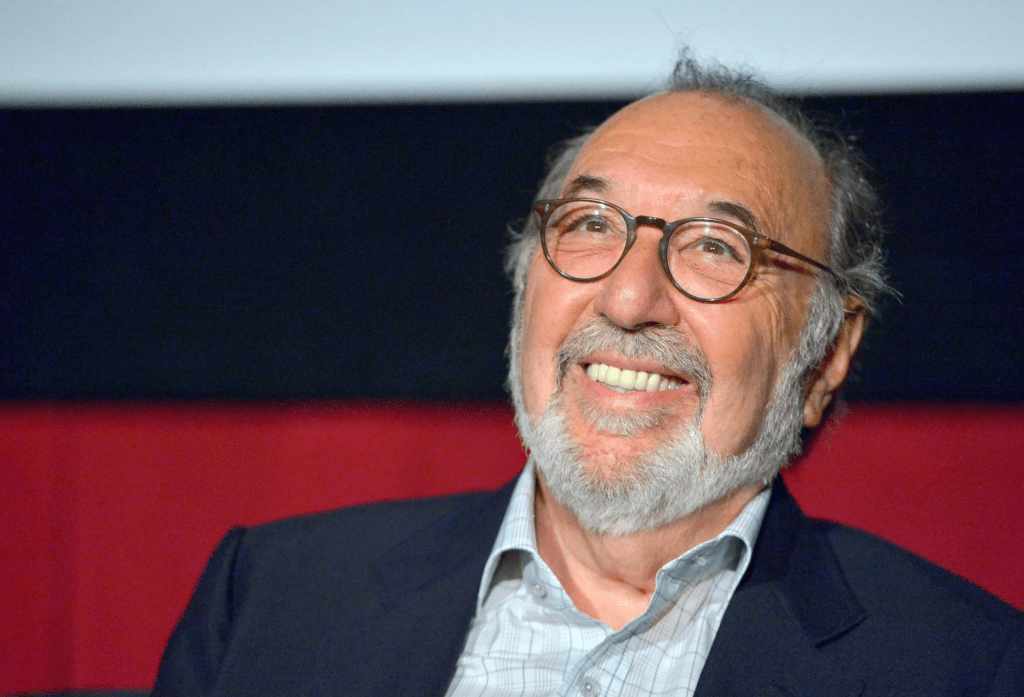
James L. Brooks doesn’t make movies often, which is exactly why Ella McCay feels like an event. Known for emotionally intelligent classics that blend humor with humanity, Brooks has always been more interested in people than spectacle. His return after a long absence immediately raises expectations — not for fireworks, but for depth.
Ella McCay fits squarely within Brooks’ filmmaking philosophy. It’s thoughtful, conversational, and deeply invested in the emotional lives of its characters. Rather than chasing trends or modern political outrage, Brooks chooses to slow down and focus on something rarer in today’s cinema: empathy.
What Ella McCay Is Really About
On the surface, Ella McCay is a political story. It follows a woman who unexpectedly finds herself stepping into a position of power during a turbulent time. But politics are never the main point here.
The film is far more interested in what power does to a person internally — how responsibility changes relationships, how grief and ambition coexist, and how leadership often feels lonelier than people imagine. Brooks treats politics as a backdrop, not a battleground.
That choice may surprise some viewers, but it’s also what gives the film its emotional resonance.
Also Read : Dianne Holechek Death: Remembering Chuck Norris’ First Wife and Her Life at 84
A Character Study Disguised as a Political Drama
Rather than leaning into sharp satire or ideological debate, Ella McCay unfolds like a character study. The story is built around conversations, pauses, and moments of self-doubt.
Ella isn’t portrayed as a flawless hero or a cautionary tale. She’s human — capable, overwhelmed, hopeful, and unsure. Brooks allows her to make mistakes and sit with them, trusting the audience to engage with complexity rather than clear-cut answers.
This approach feels refreshing in a genre that often prioritizes messaging over meaning.
The Power of a Strong Central Performance
At the heart of the film is a performance that carries quiet authority. Ella McCay is written as someone who doesn’t dominate every room she enters — and that restraint makes her more compelling.
The character’s strength comes from listening, reacting, and adapting rather than grand speeches. That subtlety gives the film room to breathe and allows emotional moments to land naturally instead of feeling engineered.
It’s the kind of performance that grows on you, revealing new layers as the story unfolds.
An Ensemble That Elevates Every Scene
One of James L. Brooks’ greatest strengths has always been his ability to assemble ensembles that feel lived-in and real. Ella McCay continues that tradition.
Every supporting character feels purposeful, whether they’re offering emotional support, comic relief, or gentle resistance. The dialogue crackles with warmth and intelligence, and even brief scenes feel meaningful.
Rather than stealing focus, the ensemble supports the central story, creating a sense of community that mirrors the film’s larger themes.
Humor That Feels Human, Not Forced
Brooks has always understood that humor works best when it comes from character, not punchlines. Ella McCay is quietly funny — the kind of funny that sneaks up on you through awkward moments, honest observations, and small social missteps.
The humor never undercuts the emotional weight of the story. Instead, it softens it, reminding viewers that even in moments of pressure and grief, life remains unpredictable and occasionally absurd.
This balance is one of the film’s greatest achievements.
Also Read : Olivia Rodrigo and Louis Partridge Reportedly Split After Two Years – Heartbreaking News
Themes of Hope Without Naivety
The idea of hope runs through Ella McCay, but it’s not presented as blind optimism. Brooks understands that hope is complicated — it exists alongside disappointment, loss, and uncertainty.
The film suggests that hope isn’t about believing everything will work out. It’s about choosing to stay engaged, to care, and to keep showing up even when outcomes aren’t guaranteed.
In a cultural moment often defined by cynicism, this perspective feels quietly radical.
Why the Film Feels Timely Without Being Dated
Although the story is set in a specific political era, Ella McCay never feels locked into one moment in time. That’s because its concerns are universal.
Leadership, personal sacrifice, emotional burnout, and the tension between private life and public responsibility are issues that resonate across generations. Brooks avoids topical references that would limit the film’s lifespan, focusing instead on emotional truths that remain relevant.
As a result, the movie feels timely now — and likely will years from now.
A Softer Take on Political Storytelling
Unlike many modern political films that thrive on confrontation, Ella McCay chooses softness. That doesn’t mean it lacks conviction; it simply believes that listening can be as powerful as shouting.
The film doesn’t ask viewers to pick sides. It asks them to observe, reflect, and empathize. This makes it accessible to a wider audience and allows its themes to land without resistance.
In an era of constant noise, that quiet confidence stands out.
Where Ella McCay Fits in Brooks’ Legacy
While Ella McCay may not eclipse James L. Brooks’ most iconic films, it feels like a meaningful continuation of his creative voice. The DNA of his earlier work is unmistakable — emotionally rich characters, thoughtful dialogue, and an unwavering belief in human connection.
The film reinforces why Brooks’ style still matters. At a time when cinema often prioritizes scale over sincerity, Ella McCay proves there’s still room for intimate, adult storytelling.
Who This Movie Is For
Ella McCay won’t appeal to everyone — and it doesn’t try to. It’s best suited for viewers who appreciate character-driven stories, subtle performances, and films that linger emotionally rather than explode narratively.
If you enjoy movies that trust you to think and feel rather than react, this film is likely to stay with you long after the credits roll.
Also Read : I Love LA Finale Recap: “I Love NY” Turns Everything Upside Down and Sets Up a Wild Season 2
FAQs
What is Ella McCay about?
Ella McCay is a political dramedy that focuses on the personal and emotional journey of a woman stepping into leadership, rather than on political conflict itself.
Is Ella McCay a political satire?
No. While it involves politics, the film is more of a character-driven drama with gentle humor than a satire.
What makes this film different from other political movies?
It emphasizes empathy, conversation, and personal growth instead of confrontation or ideology.
Is Ella McCay similar to James L. Brooks’ earlier films?
Yes. It carries the same emotional intelligence, warmth, and character focus that define Brooks’ best work.
Is this movie hopeful?
Yes — but in a grounded, realistic way that acknowledges struggle rather than ignoring it.


I’m Atul Kumar, founder of Cine Storytellers and an entertainment creator with 5+ years of experience. I cover films, celebrities, music, and OTT content with a focus on accurate, ethical, and engaging storytelling. My goal is to bring readers trustworthy entertainment news that informs, inspires, and goes beyond gossip.