
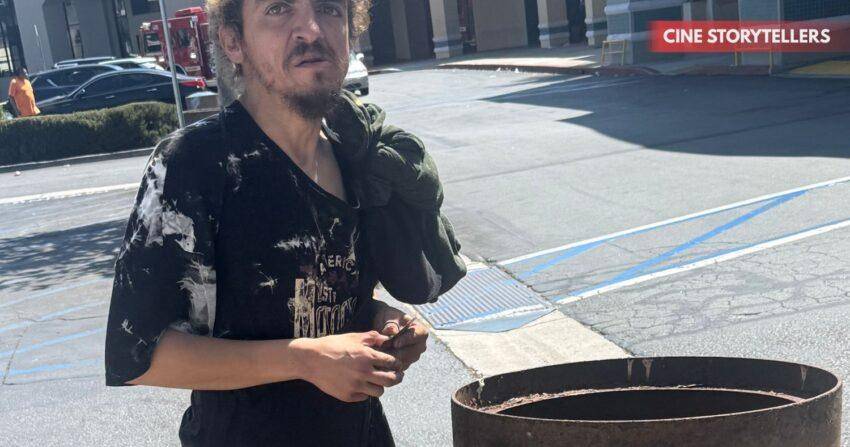
Tylor Chase, remembered fondly by early-2000s Nickelodeon fans for his role as Martin Qwerly on Ned’s Declassified School Survival Guide, has recently made headlines under heartbreaking circumstances. Viral videos showing the former child actor living unhoused have triggered an outpouring of concern, nostalgia, and difficult conversations about life after child stardom, mental health, and the ethics of public attention. This article takes a thoughtful, human-first look at Chase’s rise to fame, what is known about his current situation, reactions from fans and co-stars, and why his story resonates far beyond one former TV star.
Tylor Chase and the Nickelodeon Era Fans Still Remember

For many millennials, Ned’s Declassified School Survival Guide wasn’t just another sitcom — it was a cultural snapshot of growing up in the early 2000s. Tylor Chase played Martin Qwerly, the quirky and memorable son of the school’s vice principal. While not the lead, his character stood out, adding humor and heart to a show that became a staple of Nickelodeon’s golden era.
Like many young actors of the time, Chase entered the entertainment industry at a formative age. Appearing on a popular network meant visibility, fan recognition, and the promise of future opportunities. To viewers, it often feels like that kind of fame should guarantee lifelong security. The reality, as Chase’s story now reminds people, is far more complicated.
Life After Ned’s Declassified: Where Did the Spotlight Go?
After Ned’s Declassified ended in 2007, Tylor Chase largely stepped away from the mainstream spotlight. He appeared in a handful of other projects, including television roles and independent films, but his career did not follow the high-profile trajectory many fans might have expected.
This post-show period is where many former child actors struggle the most. Auditions become harder to land, typecasting sets in, and the industry moves quickly to the next wave of young talent. Without consistent work, financial stability can erode, especially for those who entered the business before fully understanding money management, contracts, or long-term planning.
For Chase, this quieter chapter eventually turned into something far more troubling.
Also Read : Beyond the Gates First Christmas Episode: Exclusive Preview, and What Fans Can Expect
Viral Videos and Public Concern: What Sparked the Headlines
In recent months, videos circulated online showing a man identified as Tylor Chase living on the streets in California. The clips quickly spread across social media platforms, with fans shocked by how different he looked from the child actor they remembered.
The reaction was immediate and emotional. Comment sections filled with disbelief, sadness, and questions about how someone who once starred on a hit Nickelodeon show could end up unhoused. While viral attention can sometimes lead to help, it also raises serious ethical concerns — particularly when the person involved is in a vulnerable state and did not consent to being filmed.
Mental Health, Privacy, and the Limits of Online Help
As more information emerged, it became clear that Chase’s situation is complex and deeply personal. Reports indicate that his family, including his mother, has spoken out about mental health struggles and the challenges of managing care and finances.
A fundraiser that briefly appeared online was reportedly taken down at the family’s request, underscoring a key point: not all public “help” is actually helpful. While fans often mean well, unsolicited filming, speculation, and viral sharing can sometimes do more harm than good.
This aspect of the story has sparked an important discussion about boundaries — when concern crosses into intrusion, and how society treats people facing homelessness, especially when they were once famous.
Co-Star Reactions and Calls for Compassion
Former Ned’s Declassified cast members have also weighed in, urging empathy and restraint. Rather than encouraging people to share videos or gossip, they’ve emphasized dignity, privacy, and real-world support over online outrage.
Their responses highlight something crucial: Chase is not just a “former Nickelodeon star” — he is a person. A person with a past, a family, and struggles that cannot be fixed by viral attention alone.
Also Read : Kim Kardashian Brings Back the Bustle: How Her Skims Holiday Party Dress Set Social Media
Why Tylor Chase’s Story Hits So Hard
Stories like this resonate because they disrupt a comforting narrative many people hold about fame. There’s an assumption that once someone “makes it,” they are set for life. Chase’s situation challenges that idea head-on.
It also forces a broader reckoning with how the entertainment industry handles young performers. Long hours, pressure to succeed, early exposure to adult environments, and sudden loss of structure after fame fades can all leave lasting impacts. Without strong support systems, the transition to adulthood can be especially harsh.
The Bigger Conversation About Child Stars and Aftercare
Tylor Chase is far from the first former child actor to face serious difficulties later in life. His story fits into a larger pattern that includes financial hardship, mental health struggles, and identity loss after early fame.
In recent years, there has been growing advocacy for better protections, education, and long-term support for child performers. Trust accounts, mental health resources, and career transition planning are all part of that conversation — but Chase’s situation shows there is still a long way to go.
Moving Forward: What Responsibility Do Fans and Media Have?
One of the most important takeaways from this story is how audiences choose to respond. Concern is natural. Curiosity is human. But compassion requires restraint.
Sharing unconsented footage, speculating about diagnoses, or turning someone’s hardship into viral content may feel like awareness, but it often strips people of dignity. Real support looks quieter — respecting privacy, supporting organizations that address homelessness and mental health, and listening when families ask for boundaries.
A Human Story, Not Just a Headline
At its core, this is not just a celebrity news story. It’s a human one. Tylor Chase’s journey — from a familiar face on Nickelodeon to someone navigating life on the margins — reflects systemic issues that affect countless people without famous names.
Remembering that humanity is perhaps the most meaningful response of all.
Also Read : Natasha Lyonne’s Bambo: Everything We Know About the 1980s Boxing Drama
FAQs
Who is Tylor Chase?
Tylor Chase is a former child actor best known for playing Martin Qwerly on Nickelodeon’s Ned’s Declassified School Survival Guide, which aired from 2004 to 2007.
Why is Tylor Chase in the news now?
He recently drew public attention after videos circulated online showing him living unhoused, sparking concern among fans and former co-stars.
Did Tylor Chase’s family comment on his situation?
Yes, family members have reportedly spoken out, emphasizing mental health challenges and asking for privacy rather than viral attention or unauthorized fundraising.
Are former co-stars involved in helping him?
Some former cast members have addressed the situation publicly, urging compassion, respect, and a focus on dignity rather than online speculation.
What larger issues does this story highlight?
Chase’s story sheds light on the long-term struggles some child actors face, including mental health challenges, financial instability, and the lack of sustained support after early fame fades.


I’m Atul Kumar, founder of Cine Storytellers and an entertainment creator with 5+ years of experience. I cover films, celebrities, music, and OTT content with a focus on accurate, ethical, and engaging storytelling. My goal is to bring readers trustworthy entertainment news that informs, inspires, and goes beyond gossip.