
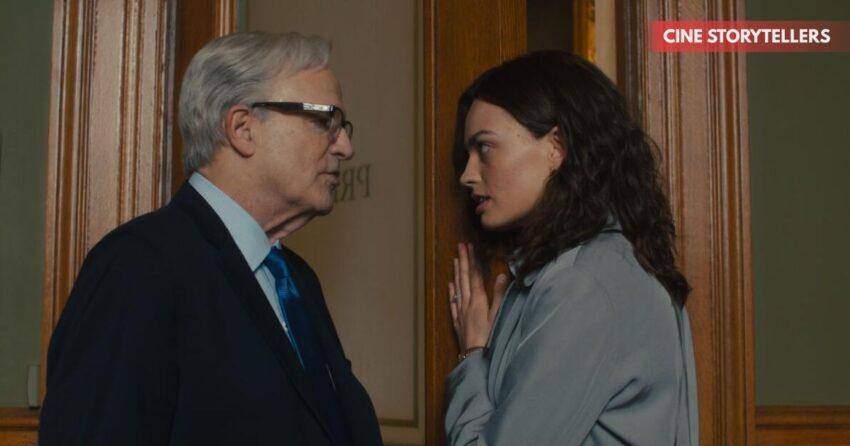
Ella McCay is the latest film from acclaimed director James L. Brooks, starring Emma Mackey in the titular role. Set against the backdrop of early 2000s politics, the film follows a young politician as she balances governance, family challenges, and romantic entanglements. Critics have praised Mackey’s magnetic performance and Brooks’ trademark warmth, yet many highlight tonal inconsistencies, pacing issues, and uneven storytelling. This review explores the plot, performances, themes, and audience reception, providing a comprehensive look at this highly anticipated but divisive release.
James L. Brooks Returns: A Long-Awaited Feature

James L. Brooks is a name synonymous with intelligent, emotionally resonant dramedy. From Terms of Endearment to Broadcast News and As Good as It Gets, his films have consistently blended humor, heart, and nuanced performances. After more than a decade away from feature filmmaking, Brooks’ return with Ella McCay was met with considerable excitement and high expectations.
While his signature warmth is evident throughout the movie, Brooks’ latest effort also reveals the challenges of modern storytelling in a 2025 cinematic landscape. The film attempts to mix political satire with personal drama, but at times it struggles to maintain a clear tone, leaving audiences both charmed and frustrated.
Plot Overview: Politics Meets Personal Life
Ella McCay follows its eponymous protagonist, portrayed by Emma Mackey, who unexpectedly becomes her state’s youngest governor after her predecessor accepts a national appointment. The story is set in 2008, a politically significant year, adding a historical context that could have been a rich source for satire and insight.
Ella is ambitious and idealistic, but her rise is accompanied by personal and professional obstacles: awkward romantic entanglements, family tensions, and the pressures of navigating state governance. The film oscillates between political scheming, comedic situations, and heartfelt family moments, aiming to humanize a young politician while exploring her growth and decision-making under pressure.
While the premise is promising, the execution sometimes feels scattered. Subplots are introduced but not fully developed, and the film occasionally loses focus, moving rapidly between political and domestic spheres without a consistent emotional throughline.
Emma Mackey: The Heart of the Film
Emma Mackey’s performance is widely regarded as the standout element of Ella McCay. Known for her work in Sex Education and critically acclaimed period dramas, Mackey brings charisma, intelligence, and vulnerability to the role. She convincingly portrays a character torn between ambition and personal responsibility, making Ella both relatable and aspirational.
Even when the screenplay falters, Mackey’s nuanced expressions and commanding presence keep the audience engaged. Her ability to convey inner conflict without overacting is a testament to her skill and is one of the main reasons the film works at all. Mackey proves that a strong lead performance can elevate a story that is otherwise uneven.
Supporting Cast: Highlights and Missed Opportunities
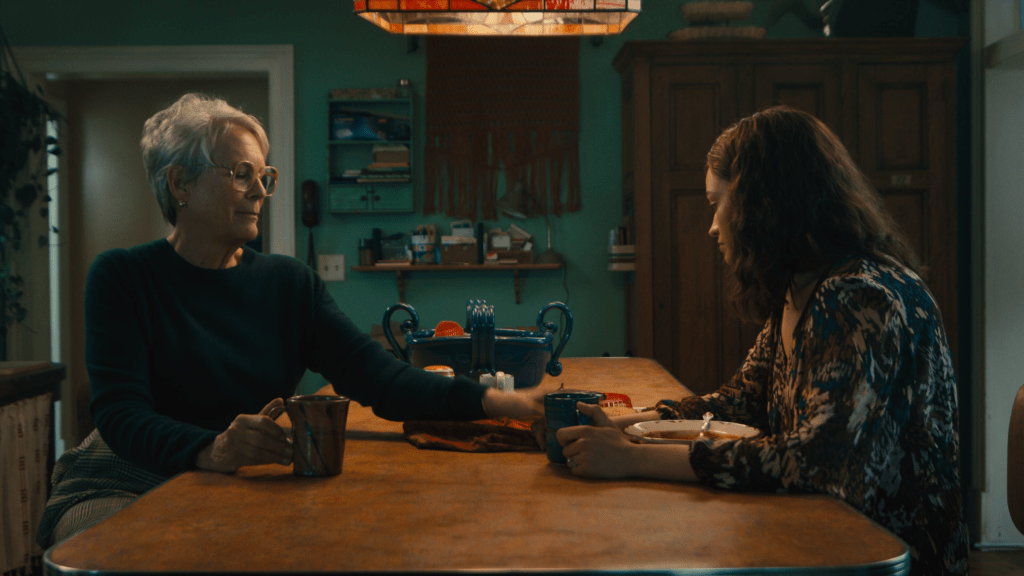
Brooks has surrounded Mackey with a talented ensemble. Jamie Lee Curtis delivers warmth and humor as Ella’s aunt, providing some of the film’s most memorable scenes. Woody Harrelson and Albert Brooks offer additional gravitas, while Kumail Nanjiani adds light-hearted charm in his supporting role.
However, not all supporting characters are fully realized. Some subplots feel rushed or underdeveloped, leaving certain actors’ talents underutilized. Despite these shortcomings, the cast as a whole brings energy and sincerity to the project, and their interactions with Mackey are often the most compelling parts of the film.
Tonal Challenges: Comedy, Drama, and Political Satire
One of the primary criticisms of Ella McCay is its inconsistent tone. Brooks has historically excelled at balancing comedy and drama, but in this film, the mix sometimes feels uneven. The movie swings between lighthearted political humor, romantic entanglements, and poignant family moments, which can make it difficult for viewers to fully connect with the story.
Similarly, the political satire, while present, lacks the sharpness and depth that contemporary audiences might expect. Instead of incisive commentary, the political elements occasionally feel like broad, almost generic conflicts that don’t fully capitalize on the historical setting or the protagonist’s challenges.
Also Read : Peter Greene Dead at 60: Pulp Fiction and The Mask Actor Found in NYC Apartment
Pacing and Structure: A Film That Wavers
The film’s pacing contributes to its uneven feel. Scenes transition abruptly between political, personal, and comedic beats, leaving certain narrative threads unresolved. Some subplots, such as romantic relationships or minor political challenges, are introduced with promise but fade before fully developing, creating a sense of incompleteness.
Despite these pacing issues, the movie maintains intermittent emotional resonance, particularly in scenes that focus on Ella’s growth and decision-making. Brooks’ touch is evident in these moments, reminding viewers why his previous works were celebrated.
Political Themes: Idealism vs. Reality
A central theme of Ella McCay is the tension between political idealism and practical governance. Ella represents youthful optimism, striving to make meaningful changes while navigating bureaucratic challenges and public scrutiny.
The film attempts to explore how good intentions clash with reality, highlighting ethical dilemmas, the pressure of public perception, and the personal cost of leadership. While the execution is uneven, these themes resonate, especially in a political climate where audiences are increasingly aware of the gap between ideals and implementation.
Humor and Heart: The Film’s Strengths
Where the film succeeds is in its heart and occasional humor. Brooks’ signature warmth permeates the story, and the familial and personal moments provide genuine emotional impact. Ella’s interactions with her aunt and father are particularly effective, grounding the political storyline in relatable human experiences.
Humor is sprinkled throughout, from witty dialogue to situational comedy, but it is often inconsistent. Still, when it works, it adds a refreshing levity that balances the film’s heavier moments, making Ella McCay a pleasant, if flawed, viewing experience.
Audience Reception: Divided Opinions
Early reactions from viewers have been mixed. Some praise Mackey’s performance, the cast’s chemistry, and the emotional warmth of the film. Others criticize the movie for tonal inconsistencies, slow pacing, and underdeveloped subplots.
Online discussions reveal that audiences either find it a charming character-driven story or a frustratingly uneven political dramedy. Critics’ reviews similarly reflect this division, acknowledging the film’s strengths while noting its structural and thematic weaknesses.
Comparing Ella McCay to Brooks’ Earlier Work
For fans of Brooks’ classic films, Ella McCay offers both nostalgia and disappointment. While the director’s trademark focus on character depth and emotional nuance is present, the modern political and cinematic landscape makes it challenging for the film to feel as innovative as his earlier works.
Unlike Broadcast News or As Good as It Gets, which balanced satire and humanism seamlessly, Ella McCay sometimes struggles to unify its comedy, drama, and political commentary. Nevertheless, it serves as a reminder of Brooks’ enduring commitment to stories about flawed but relatable characters.
Final Verdict: Worth Watching for Performances and Heart
Ella McCay is far from perfect. Its uneven tone, pacing issues, and underdeveloped subplots prevent it from achieving the coherence and sharpness that fans might hope for. Yet Emma Mackey’s lead performance, the strong supporting cast, and moments of genuine heart make the film worth watching.
For audiences who enjoy character-driven political dramedies with warmth, humor, and human insight, Ella McCay offers an enjoyable if imperfect cinematic experience. It may not become a classic, but it is a meaningful return for James L. Brooks and a showcase for Mackey’s remarkable talent.
Also Read : The Batman 2: Script Finished – What to Expect from the Dark Knight’s Next Chapter
FAQs
What is Ella McCay about?
Ella McCay follows a young lieutenant governor who unexpectedly becomes governor, balancing personal relationships, family dynamics, and political challenges in 2008.
Who stars in the film?
Emma Mackey plays Ella McCay, supported by Jamie Lee Curtis, Albert Brooks, Woody Harrelson, Kumail Nanjiani, Ayo Edebiri, Jack Lowden, Rebecca Hall, and Julie Kavner.
How has the movie been received?
Critics and audiences are divided. Emma Mackey’s performance and the film’s heartfelt moments are praised, while tonal inconsistencies, pacing issues, and underdeveloped subplots are common criticisms.
Is Ella McCay streaming or in theaters?
As of December 2025, the film is in theaters. A future streaming release is expected but has not been officially announced.
Does the film have awards potential?
While individual performances, particularly Mackey and Curtis, have received acclaim, the film’s overall mixed reception makes major awards contention unlikely.
Join our WhatsApp channel for more updates and information about celebrities and entertainment.


I’m Atul Kumar, founder of Cine Storytellers and an entertainment creator with 5+ years of experience. I cover films, celebrities, music, and OTT content with a focus on accurate, ethical, and engaging storytelling. My goal is to bring readers trustworthy entertainment news that informs, inspires, and goes beyond gossip.