
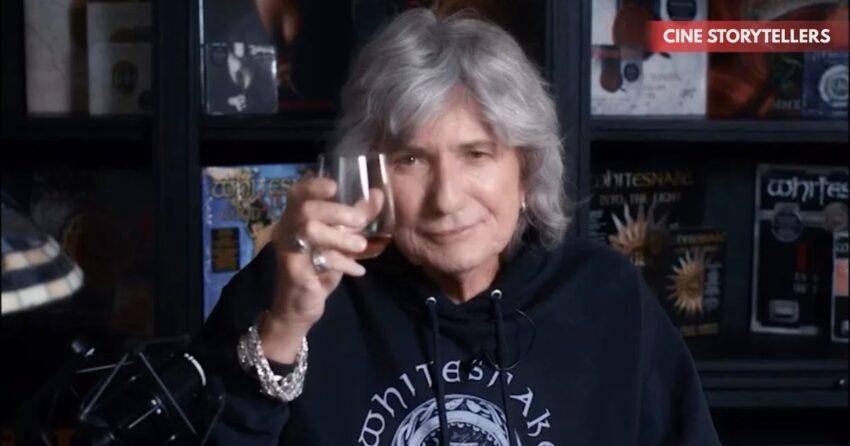
The “David Coverdale retirement” announcement marks the end of a five-decade era in rock history. At 74, the powerhouse vocalist behind Whitesnake has officially revealed that he is stepping away from music. This in-depth article explores his reasons, his lasting impact, what this decision means for the band, and how fans are responding worldwide.
David Coverdale Retirement: The End of an Era for Rock Music
The David Coverdale retirement news has sent shockwaves through the global rock community. As the iconic frontman of Whitesnake and former Deep Purple vocalist, Coverdale shaped the sound of hard rock for more than 50 years. His decision to step away marks not just a personal milestone, but a turning point in the history of classic rock.
At 74, David Coverdale shared that the time has come to bring his touring and recording journey to a natural close. With health challenges, the demands of performance, and a desire to embrace a quieter chapter of life, the retirement reflects thoughtful self-assessment rather than sudden withdrawal.
David Coverdale Retirement Announcement: What He Revealed
Coverdale’s retirement announcement was delivered with honesty and gratitude. He reflected on his remarkably long run, from his early days in Deep Purple to his rise as the founder and voice of Whitesnake. The message resonated deeply because it showed a man who knows he has given his entire soul to rock music.
His tone wasn’t somber — it was celebratory. He acknowledged that a 50-plus-year career has been nothing short of a gift, and now he’s choosing rest over relentless touring schedules. Many fans praised him for stepping away on his own terms, especially after several years of battling health conditions that complicated performing.
A Lifetime Leading to the David Coverdale Retirement
Early Beginnings in Deep Purple
Before founding Whitesnake, Coverdale gained international recognition when he joined Deep Purple in the 1970s. His powerful voice, blues-rock style, and undeniable stage presence helped define some of the band’s most influential years. This early success laid the foundation for everything that followed.
Creating Whitesnake and Reaching Global Fame
In the late 1970s, Coverdale introduced the world to Whitesnake, a band that would later become synonymous with arena rock. Hits like “Here I Go Again,” “Is This Love,” and “Still of the Night” turned him into a global superstar. The classic 1987 self-titled album became a rock landmark, securing the group’s place in music history.
Musical Evolution and Reinvention
Part of what makes the David Coverdale retirement so significant is how adaptable he was throughout his career. He moved effortlessly between blues, rock, and heavy metal influences, continuously reinventing his sound to stay relevant for new generations of listeners.
Why the David Coverdale Retirement Makes Sense Now
Health Concerns Influencing the Decision
Coverdale has openly discussed the health issues he has faced in recent years, including infections and respiratory challenges that made touring difficult. Rather than risk burnout or disappointment for fans, he is choosing a responsible exit.
The Physical Toll of Decades on Stage
Performing at a high level for half a century requires exceptional stamina. Coverdale has admitted that despite his love for performing, the physical demands have become increasingly difficult. Age and wear have played a major role in shaping this decision.
A Desire to Live Life Beyond the Spotlight
After years of living on the road, Coverdale has expressed interest in slowing down and enjoying more private time. Retirement opens the door for him to spend time with loved ones, pursue personal passions, and enjoy peace without performance pressure.
How the David Coverdale Retirement Affects Whitesnake
A Band Built Around a Voice
Whitesnake has always been inseparable from Coverdale’s identity. His vocals and songwriting shaped the group’s signature style. With his retirement, many fans wonder if the band can or should continue without him.
Will Whitesnake Disband or Evolve?
At this stage, no formal announcement has been made about the band’s future. Some speculate Whitesnake may become a legacy act featuring guest performers. Others believe that Coverdale’s exit may naturally bring the band’s journey to its end.
A Possible Era of Remasters and Tribute Releases
Artists with long careers often pivot to releasing archival content after retirement. Fans may see remastered albums, unreleased tracks, documentaries, or anniversary editions celebrating Coverdale’s body of work.
The Cultural Impact of the David Coverdale Retirement
A Voice That Defined Generations
Coverdale’s rich, soulful tone is instantly recognizable to rock audiences. His songs continue to be played at stadiums, festivals, and on classic rock radio worldwide. His retirement reminds fans how much his music has shaped their lives.
A Symbol of Rock’s Golden Age
Coverdale belongs to the era of legendary frontmen, where music was raw, emotional, and unfiltered. His departure underscores how few of those icons remain actively performing today.
Inspiration for Future Artists
Countless musicians cite Coverdale as a major influence. His vocal techniques, lyrical depth, and charismatic performance style will continue inspiring vocalists and bands for years to come.
What Happens After the David Coverdale Retirement?
A Graceful Exit, Not a Disappearance
Retiring doesn’t mean Coverdale will vanish. He may still appear in interviews, collaborate on special projects, or participate in documentaries about rock history.
Potential for Memoirs or Behind-the-Scenes Projects
Fans have long speculated that Coverdale might one day release a memoir. Now, with more time on his hands, this could finally happen.
Legacy Preservation
Whether through curated box sets, remastered albums, or special anniversary projects, Coverdale’s legacy will remain alive long after his touring days end.
Also Read : RHOSLC Season 6 Episode 8 How to Watch: Complete Streaming Guide & Episode Highlights
FAQ
Q1. Why did David Coverdale retire?
He retired primarily due to health concerns, the physical demands of performing, and a desire to enjoy a quieter life after over 50 years in music.
Q2. How old is David Coverdale at the time of retirement?
Coverdale is 74 years old.
Q3. Does this mean Whitesnake is over?
Not necessarily. The band’s future hasn’t been officially announced, but his retirement makes major changes inevitable.
Q4. What is David Coverdale’s legacy?
He is widely regarded as one of rock’s most powerful vocalists, known for defining eras in both Deep Purple and Whitesnake.
Q5. Will he still make music after retirement?
He may participate in selective projects, remasters, or collaborations, but full-time performing is unlikely.
Join our WhatsApp channel for more updates and information about celebrities and entertainment.


I’m Atul Kumar, founder of Cine Storytellers and an entertainment creator with 5+ years of experience. I cover films, celebrities, music, and OTT content with a focus on accurate, ethical, and engaging storytelling. My goal is to bring readers trustworthy entertainment news that informs, inspires, and goes beyond gossip.