
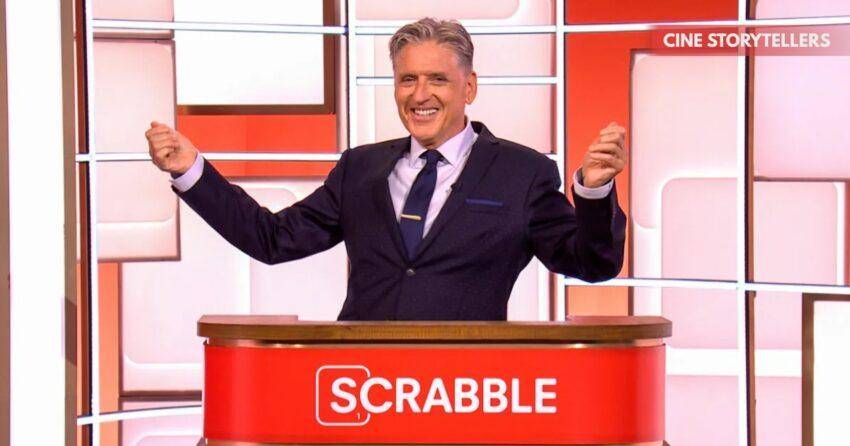
The CW’s hit game show Scrabble is entering a new chapter with comedian and television veteran Craig Ferguson stepping in as the show’s new host. Known for his sharp wit, relaxed charm, and years of experience in front of live audiences, Ferguson replaces Raven-Symoné as the face of the popular word-based competition. While the rules and spirit of Scrabble remain the same, the hosting change brings a noticeably different energy to the series. This article explores who Craig Ferguson is, why the network made the change, how the show works, and what fans can expect moving forward.
Scrabble on The CW Enters a New Era
Since its debut on The CW, Scrabble has quickly become a favorite among viewers who enjoy smart, fast-paced competition. The show successfully translates the beloved board game into a television format, blending vocabulary skills with time pressure and strategy.
Now, as the show moves forward, one of its most visible changes is behind the podium. With Craig Ferguson taking over hosting duties, Scrabble is leaning into a more conversational, personality-driven presentation while staying true to its core gameplay.
This shift signals growth rather than reinvention — a refinement designed to keep audiences engaged while expanding the show’s appeal.
Who Is the New Host of Scrabble?

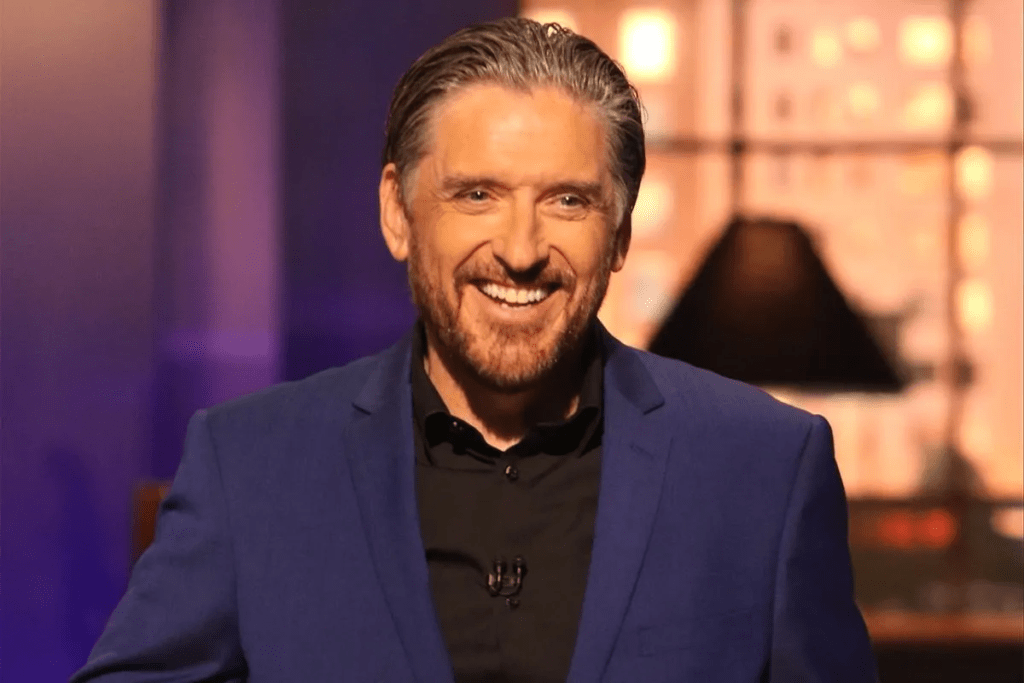
Craig Ferguson is no stranger to hosting. He built a massive fanbase during his decade-long run as host of The Late Late Show, where his unscripted humor and audience-friendly style set him apart from traditional late-night formats.
Before that, Ferguson worked as a stand-up comedian, actor, writer, and television personality. His career spans decades, giving him the rare ability to improvise comfortably while keeping a structured show moving smoothly.
That skill set translates naturally to a game show environment — especially one like Scrabble, where quick thinking and playful banter enhance the viewing experience.
Why Craig Ferguson Is a Strong Fit for the Show
Game shows thrive on personality. While rules matter, the host often determines how welcoming and entertaining the experience feels.
Craig Ferguson brings:
- A relaxed, conversational delivery
- Quick comedic instincts
- Experience engaging both contestants and viewers
- Comfort with live, unscripted moments
Rather than overpowering the game, Ferguson’s style complements it. He knows when to let the competition take center stage and when to add humor that lightens the mood without distracting from the challenge.
For a word-focused show, that balance is essential.
What Changed From Season 1 to Season 2
Season 1 of Scrabble was hosted by Raven-Symoné, whose energetic and upbeat presence helped introduce the show to a new audience. While her hosting style leaned more animated, the move to Craig Ferguson reflects a tonal shift rather than a correction.
The fundamentals of the show remain the same:
- Contestants compete in word-based challenges
- Speed, vocabulary, and strategy decide the winner
- A giant Scrabble board anchors the set
What’s new is the pacing and conversational flow. Ferguson’s hosting leans into dry humor and spontaneous commentary, giving the show a slightly more classic game-show feel.
How the Scrabble Game Show Works
For viewers new to the series, Scrabble on The CW adapts the familiar board game into a competitive television format.
Contestants face a series of rounds that test:
- Vocabulary knowledge
- Word construction skills
- Quick thinking under time limits
Letters appear on large digital boards, and players must form valid words while maximizing points. As the game progresses, the challenges become more difficult, forcing contestants to balance risk and reward.
The format is designed so viewers can play along at home, guessing words and testing their own skills as the clock ticks down.
Why Word Game Shows Continue to Succeed
There’s a reason word-based game shows never go out of style. They combine intelligence, competition, and accessibility — three things that keep audiences coming back.
Unlike trivia shows that rely heavily on memorization, word games reward creativity and pattern recognition. Anyone with a basic vocabulary can participate, making the experience inclusive rather than intimidating.
Scrabble taps into that universal appeal, turning a familiar board game into a high-energy TV experience that works for families, casual viewers, and serious word lovers alike.
Also Read : Channing Tatum Hospitalized for Shoulder Surgery: Injury Details, Recovery & Career Impact
The CW’s Strategy Behind Scrabble
The CW has been expanding its unscripted programming lineup, and Scrabble plays a key role in that strategy. Game shows are cost-effective, rewatchable, and appeal to a broad demographic.
By pairing Scrabble with other classic-inspired game shows, the network is carving out a niche that blends nostalgia with modern presentation. Bringing in a seasoned host like Craig Ferguson reinforces that direction.
It also signals confidence in the show’s future, as networks typically reserve experienced hosts for projects they expect to grow.
Audience Reaction to the New Host
Early reactions suggest that viewers are responding positively to Ferguson’s presence. Many fans appreciate his laid-back style, which allows contestants to feel comfortable rather than pressured.
Some longtime fans of his late-night work enjoy seeing him return to a regular hosting role, while Scrabble viewers note that his humor adds warmth without slowing down gameplay.
Change always sparks discussion, but overall feedback points to a smooth transition rather than a disruptive one.
What This Hosting Change Means Long-Term
Hosting changes often indicate a show settling into its identity. With Craig Ferguson at the helm, Scrabble appears to be positioning itself for longevity rather than short-term experimentation.
If the current format continues to resonate, it opens the door to:
- Longer seasons
- Special tournament episodes
- Celebrity editions
- Expanded game-night programming
A stable host with strong audience recognition makes all of that easier to execute.
Why Scrabble Still Feels Relevant
Despite being based on a decades-old board game, Scrabble remains culturally relevant because language evolves. New words, slang, and expressions constantly enter the conversation.
That ongoing evolution keeps the game fresh, both on the table and on television. Each episode becomes a snapshot of how language is used today, not just a test of dictionary knowledge.
With a host who appreciates conversation and nuance, the show feels current without losing its roots.
What Viewers Can Expect Going Forward
As Scrabble continues with Craig Ferguson as host, viewers can expect:
- Familiar gameplay with smoother pacing
- More conversational hosting moments
- A relaxed but competitive atmosphere
- Continued focus on wordplay over gimmicks
Rather than reinventing itself, the show is refining what already works — a smart move in a crowded TV landscape.
Also Read : Ron Kenoly Death: Gospel Music Icon Dies at 81, Leaving a Global Worship Legacy
FAQs
Who is the new host of Scrabble on The CW?
Craig Ferguson is the new host, taking over beginning with the latest season.
Who hosted Scrabble before Craig Ferguson?
Season 1 was hosted by Raven-Symoné, who helped launch the show on The CW.
Did the game format change with the new host?
No. The core rules and structure remain the same, with changes focused mainly on hosting style and pacing.
What makes Scrabble different from other game shows?
It emphasizes vocabulary, creativity, and strategy rather than trivia or physical challenges.
Is Scrabble expected to return for more seasons?
While future renewals depend on performance, the expanded episode count and new host suggest strong network confidence.
Join our WhatsApp channel for more updates and information about celebrities and entertainment.


I’m Atul Kumar, founder of Cine Storytellers and an entertainment creator with 5+ years of experience. I cover films, celebrities, music, and OTT content with a focus on accurate, ethical, and engaging storytelling. My goal is to bring readers trustworthy entertainment news that informs, inspires, and goes beyond gossip.