
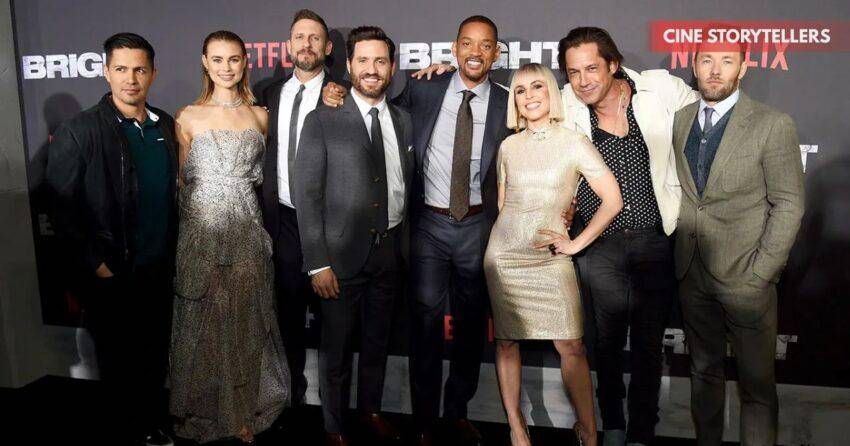
When Bright debuted on Netflix, it instantly became one of the platform’s most talked-about films. Featuring a star-studded cast, a bold fantasy-meets-reality premise, and unmistakable social commentary, the movie sparked debate far beyond its action sequences. While critics were divided, audiences couldn’t stop watching—or talking. Years later, Bright remains a cultural lightning rod, especially when it comes to its racial undertones and the long-discussed possibility of a sequel. This article explores the film’s cast, themes, controversy, and why Bright still matters in today’s entertainment landscape.
What Is Bright Really About?

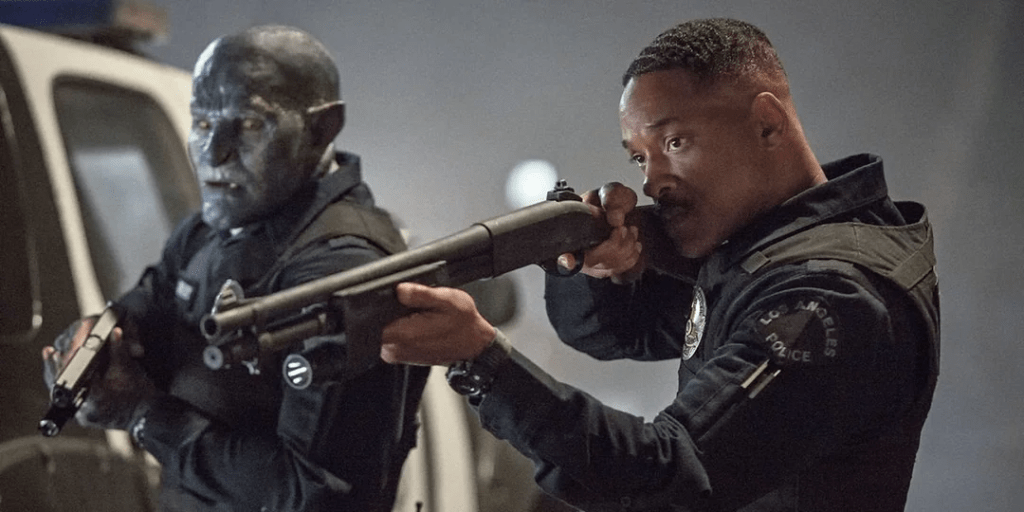
On the surface, Bright looks like a classic buddy-cop action movie with a fantasy twist. Humans, orcs, elves, and magical creatures coexist in a modern Los Angeles where magic is real—but deeply feared.
At its core, however, Bright isn’t just about mythical races. It’s about power, prejudice, social hierarchy, and systemic inequality. Orcs are treated as second-class citizens, elves sit at the top of the social ladder, and humans occupy a complicated middle ground.
The movie uses fantasy races as metaphors, and while that approach grabbed attention, it also triggered heated discussions about whether the symbolism worked—or crossed uncomfortable lines.
The Cast That Powered the Film
One reason Bright dominated streaming conversations was its cast. Netflix leaned heavily on recognizable faces to anchor a risky concept.
Will Smith as Daryl Ward
Will Smith plays Daryl Ward, a human police officer navigating a fractured partnership and a deeply divided society. Smith brings a mix of charisma, vulnerability, and frustration to the role, portraying a man caught between personal guilt and institutional pressure.
Ward’s character reflects someone grappling with privilege, fear, and responsibility—whether he realizes it or not. Smith’s performance gives emotional grounding to a world that could have easily felt cartoonish.
Joel Edgerton as Nick Jakoby
Joel Edgerton’s Nick Jakoby is the film’s emotional core. As the first orc police officer, Jakoby faces hostility from humans, orcs, and nearly everyone in between.
Edgerton plays Jakoby with quiet dignity, making him sympathetic without turning him into a stereotype. His character represents the burden placed on marginalized individuals who are expected to “prove” themselves constantly while receiving little support.
Supporting Cast and World-Building
The film also features strong supporting performances that help sell the world of Bright. The elves, criminals, and law enforcement figures all reinforce the rigid hierarchy of this universe.
While some characters are more symbolic than fully developed, they serve an important purpose: showing how deeply inequality is baked into this society.
Understanding the Racial Undertones
The racial undertones in Bright are impossible to ignore—and that was clearly intentional.
Orcs are portrayed as heavily policed, economically disadvantaged, and socially stigmatized. They are associated with crime, gangs, and historical blame. Elves, on the other hand, live in luxury, control wealth, and are largely untouchable by law enforcement.
This framework mirrors real-world power dynamics, and that’s where much of the debate begins.
Why the Allegory Sparked Controversy
The film’s biggest criticism wasn’t that it addressed race—it was how it did so.
Some viewers felt Bright relied too heavily on blunt metaphors, turning complex racial issues into fantasy shorthand. Others argued that assigning real-world racial struggles to fictional species risked oversimplification or even insensitivity.
There was also debate over perspective. The story is largely told through the eyes of a human character, which led some to question whether the narrative truly centered marginalized voices—or merely observed them.
Audience Response vs. Critical Reaction
One of the most fascinating things about Bright is the gap between critics and viewers.
Critics largely dismissed the film, calling it messy, heavy-handed, or underdeveloped. Yet audiences flocked to it in massive numbers, making it one of Netflix’s most-watched original films at the time.
That disconnect highlights something important: many viewers saw themselves, their frustrations, and their social realities reflected in the film—even if the execution wasn’t perfect.
Why Bright Worked for Netflix
Netflix thrives on bold, conversation-starting content, and Bright delivered exactly that.
The film was:
- Easy to watch but hard to ignore
- Familiar in structure yet risky in theme
- Designed for debate rather than consensus
For streaming audiences, Bright felt less like a polished studio product and more like a cultural experiment. That willingness to provoke discussion is a big reason the film stayed relevant long after its release.
The Sequel That Almost Was
Talk of a Bright sequel began almost immediately after the film’s success. The world felt expandable, the mythology unfinished, and the character arcs far from complete.
A sequel had the potential to:
- Explore orc culture beyond stereotypes
- Shift perspective toward marginalized characters
- Refine the film’s social commentary
- Expand the magical lore in meaningful ways
However, development stalled, and changing circumstances ultimately halted progress. Still, the idea of a sequel continues to spark curiosity because the world of Bright feels unresolved.
Also Read : Emily in Paris Assistant Director Diego Borella Dies at 47
Why a Sequel Still Feels Relevant
Years later, conversations about inequality, policing, and systemic bias have only grown louder. In that context, Bright feels less dated than some critics originally claimed.
A sequel made today could:
- Approach its themes with greater nuance
- Address earlier criticisms directly
- Center marginalized voices more authentically
- Reflect a more evolved cultural conversation
The fact that people still debate Bright proves it touched a nerve—and that’s often the mark of impactful storytelling.
Fantasy as Social Commentary
Fantasy has always been a powerful tool for examining real-world issues. By creating distance from reality, it allows audiences to confront uncomfortable truths without immediate defensiveness.
Bright attempted exactly that. While imperfect, it used genre storytelling to ask hard questions:
- Who gets power?
- Who is feared—and why?
- Who is allowed to make mistakes without consequence?
Those questions don’t fade with time. If anything, they become more urgent.
The Legacy of Bright
Whether you loved it or hated it, Bright left a mark.
It proved that streaming audiences are open to socially charged genre films. It showed that controversy doesn’t necessarily hurt viewership. And it demonstrated that fantasy worlds don’t have to be escapist—they can be confrontational.
In many ways, Bright paved the way for riskier storytelling on streaming platforms, even if its own future remains uncertain.
Also Read : Emily Ann Roberts Headlines Dollywood Harvest Festival 2025
FAQs
Is Bright meant to be a commentary on race?
Yes. The film uses fantasy races as metaphors to explore prejudice, power structures, and inequality in a modern setting.
Why was Bright so controversial?
Many viewers felt the racial allegory was either too blunt or not handled with enough nuance, leading to polarized reactions.
Did audiences like Bright?
Despite mixed critical reviews, the film was extremely popular with viewers and became one of Netflix’s most-watched originals at the time.
Was a sequel ever confirmed?
A sequel was discussed and developed at one point, but it was ultimately shelved. However, interest in the concept remains strong.
Could Bright work better today?
Possibly. A modern sequel could refine its themes, expand representation, and respond to earlier criticisms with greater depth.
What is Bright’s lasting impact?
The film remains a case study in how fantasy, race, and streaming culture intersect—proving that even flawed stories can spark lasting conversation.
Join our WhatsApp channel for more updates and information about celebrities and entertainment.


I’m Atul Kumar, founder of Cine Storytellers and an entertainment creator with 5+ years of experience. I cover films, celebrities, music, and OTT content with a focus on accurate, ethical, and engaging storytelling. My goal is to bring readers trustworthy entertainment news that informs, inspires, and goes beyond gossip.