
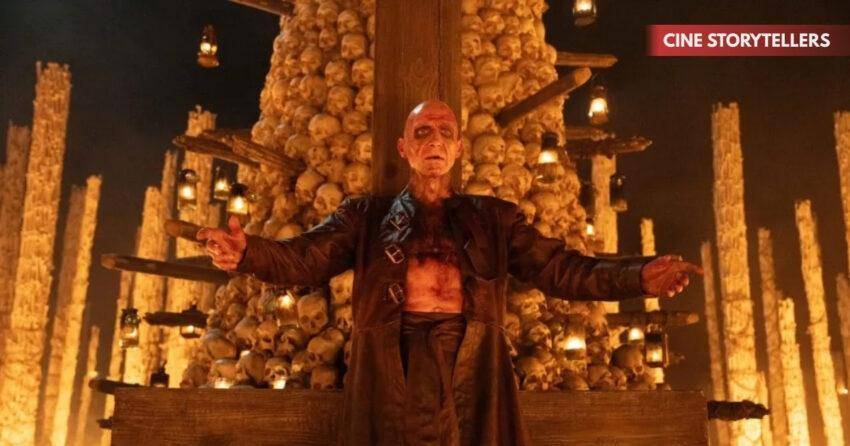
28 Years Later: The Bone Temple marks the latest entry in the groundbreaking 28 Days Later franchise, delivering a fresh twist on zombie horror nearly 25 years after the original. Directed by Nia DaCosta and featuring a powerhouse performance from Ralph Fiennes, this film shifts focus from the infected to the terrifying depths of human cruelty, while still delivering the pulse-pounding horror fans expect. Critics praise its ambitious storytelling, memorable visuals, and emotional depth, even as it polarizes audiences with its bold tonal shifts. With cult-like villains, psychological tension, and moments of absurdity, The Bone Temple is both the most daring and divisive installment yet.
A Bold Reinvention of the Franchise
The 28 Days Later series redefined modern zombie cinema with its 2002 debut, emphasizing speed, infection, and raw human fear. The Bone Temple takes a bold step forward, blending traditional zombie elements with human horror, cult dynamics, and darkly comedic moments.
Set decades after the original outbreak, the world has changed, but danger is far from over. The infected remain a threat, yet humans — ruthless, unpredictable, and sometimes grotesquely absurd — now dominate the narrative. This pivot transforms the story into a psychological and moral exploration as much as a horror spectacle.
Critics note that this reinvention works brilliantly for some, offering fresh stakes, while others miss the purely infection-based terror of earlier films. The result is a story that keeps viewers on edge, never fully allowing them to predict what will happen next.
Ralph Fiennes: The Heart of the Horror


Ralph Fiennes’s portrayal of Dr. Ian Kelson is the emotional anchor of The Bone Temple. Unlike traditional horror leads, Kelson is introspective, moral, and layered. Fiennes brings gravitas, empathy, and humanity to a world overrun by violence and madness.
Whether navigating a cult’s twisted rituals or confronting infected hordes, Fiennes grounds the film in relatable human emotion. His performance has been described as “phenomenal” by critics, elevating the story and providing a lens through which audiences can process the chaos surrounding him.
In a franchise that often prioritizes shock over subtlety, Fiennes ensures that the narrative remains emotionally resonant, proving why the film has been called one of the most compelling entries in the series.
The Human Villains Steal the Show
While zombies remain a core element, The Bone Temple emphasizes human antagonists in unprecedented ways. Jack O’Connell’s Sir Lord Jimmy Crystal leads the Jimmys, a cult-like group whose brutality rivals the infected. These villains are unpredictable, calculating, and often more terrifying than the mindless infected, making each confrontation intensely suspenseful.
By foregrounding human evil, the film explores the dark side of civilization’s collapse, where morality is flexible, and cruelty becomes currency. This focus offers thematic depth, as it reflects real-world questions about power, survival, and human nature.
However, this shift also divides viewers. Some find it refreshing and thought-provoking, while others miss the traditional zombie-driven terror of the earlier films.
Also Read : “APT.” by ROSÉ & Bruno Mars: Apple Music’s Most-Streamed Song of 2025
A Unique Blend of Horror, Absurdity, and Reflection
The Bone Temple is a tonal chameleon. It combines:
- Visceral horror — intense sequences with infected and human enemies
- Absurdity — moments of dark humor that surprise and disarm
- Reflection — character-driven exploration of morality, survival, and human resilience
One standout moment, repeatedly highlighted by critics, involves Dr. Kelson performing a bizarre ritualistic dance to Iron Maiden’s The Number of the Beast, blending horror, absurdity, and emotional insight. These sequences underscore the film’s willingness to take risks and push the genre in unexpected directions.
While this mix of tones is bold, it occasionally leads to disorientation, requiring audiences to embrace both laughter and horror in rapid succession.
Supporting Cast Elevates the Story
Beyond Fiennes and O’Connell, the supporting cast brings nuance to a chaotic world. Alfie Williams portrays Spike, a character shaped by trauma yet resilient and hopeful. Erin Kellyman’s Jimmy Ink adds moral complexity, blurring the line between ally and threat.
Even the infected are more than generic monsters; certain sequences suggest residual humanity or unique behavior, adding layers of tension and intrigue to classic horror tropes. This attention to character depth enhances audience engagement and distinguishes The Bone Temple from other zombie films.
Also Read : “APT.” by ROSÉ & Bruno Mars: Apple Music’s Most-Streamed Song of 2025
Stunning Visuals and Immersive Sound Design
Technically, The Bone Temple impresses. Cinematography captures the post-apocalyptic decay, juxtaposing beauty and horror. Dark alleyways, ruined temples, and eerie landscapes set the tone for suspense and dread.
The sound design amplifies tension, pairing silence with sudden bursts of noise. Combined with a haunting score, these elements heighten emotional stakes, making viewers feel the world’s danger and instability in every scene.
These technical achievements complement the narrative, ensuring that the horror is not just visceral but immersive.
Why Critics Are Divided
Despite its strengths, the film has prompted mixed reactions. Some critics praise its ambition, while others critique:
- Uneven pacing — long stretches of exposition or tonal shifts
- Disjointed narrative — the cult storyline can overshadow zombie elements
- Emotional disconnect — some viewers may struggle to stay invested amid surreal sequences
Even so, many agree that The Bone Temple is provocative, unforgettable, and genre-defying, offering experiences that go beyond standard horror conventions.
How It Expands the 28 Days Later Universe
The Bone Temple builds upon the franchise’s legacy, continuing to explore the long-term effects of the Rage virus while introducing new thematic concerns. By emphasizing human villains, absurdist moments, and psychological depth, the film repositions the series as both horror entertainment and a reflection on human nature.
For longtime fans, it rewards attention to continuity and character development. For newcomers, it’s still accessible as a standalone story, though familiarity with previous films enhances the experience.
Why This Sequel Is Unmissable
28 Years Later: The Bone Temple stands out for several reasons:
- Ralph Fiennes’s career-defining performance
- Memorable human and infected villains
- Bold, unpredictable tone blending horror, absurdity, and drama
- Striking visuals and immersive sound design
- Exploration of morality and human behavior in crisis
This is a film that demands attention — for fans of horror, psychological thrillers, and unconventional storytelling alike. It challenges expectations while delivering the adrenaline and suspense that made the franchise iconic.
Also Read : Keanu Reeves and Alexandra Grant Share Romantic Ice-Skating Date in NYC
FAQs
What is 28 Years Later: The Bone Temple about?
It’s a post-apocalyptic horror film exploring both infected threats and human cruelty, decades after the original Rage virus outbreak.
Who stars in the movie?
Ralph Fiennes, Jack O’Connell, Alfie Williams, and Erin Kellyman headline the film.
Does the film focus more on zombies or humans?
Humans, particularly the cult-like Jimmys, are the primary antagonists, with zombies playing a supporting but still dangerous role.
Do I need to see previous 28 Days Later films?
Familiarity enhances understanding, but the film is accessible as a standalone story.
Is it scary?
Yes — it contains graphic violence, unsettling imagery, and psychological tension.
Will there be more films in the franchise?
Yes — the movie sets up potential future installments while expanding the franchise universe.
Join our WhatsApp channel for more updates and information about celebrities and entertainment.


I’m Atul Kumar, founder of Cine Storytellers and an entertainment creator with 5+ years of experience. I cover films, celebrities, music, and OTT content with a focus on accurate, ethical, and engaging storytelling. My goal is to bring readers trustworthy entertainment news that informs, inspires, and goes beyond gossip.