

The world of acting is more competitive than ever, and choosing the right drama school can make or break an actor’s journey. This article explores the top drama schools across the globe, what sets them apart, and how you can evaluate which one fits your creative aspirations. With a conversational tone and insightful details, this guide breaks down everything aspiring actors need to know—from training styles to industry exposure—while providing a comprehensive and engaging narrative.
The Top 25 Drama Schools in the World
Choosing a drama school is one of the most significant decisions an aspiring actor will ever make. The right institution doesn’t just sharpen your skills—it shapes your artistic identity, opens doors into the industry, and introduces you to a network that stays with you throughout your career. With hundreds of institutions around the world offering acting programs, narrowing down the top options can be overwhelming. That’s where this guide comes in.
Below, we break down some of the most prestigious drama schools worldwide, the unique qualities that make them stand out, and why they continue to be magnets for the world’s most ambitious performers. Whether you’re dreaming of Hollywood, the West End, or international cinema, this guide will help you understand the institutions shaping the next generation of iconic actors.
Why Drama School Still Matters in 2025
In an age of online tutorials, TikTok stardom, and self-made creators, you might wonder: Is drama school still essential?
For many, the answer is yes—and not because of tradition.
Drama schools offer something the internet can’t replicate:
- Structured, immersive training
- Daily discipline to refine your craft
- Access to experienced faculty
- A collaborative environment with equally passionate peers
- Industry exposure, showcases, and casting opportunities
Most importantly, drama school gives you the time and space to experiment, fail, grow, and discover your authentic voice as an artist—all in a supportive environment designed for creative exploration.
The World’s Top Drama Schools: What Sets Them Apart
Below is a breakdown of the 25 institutions that consistently rank among the best in the world. Each one offers a unique blend of technique, tradition, and innovation.
Juilliard School (USA)

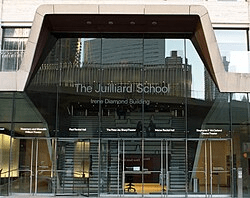
Why It Stands Out
Juilliard is synonymous with excellence. Known for its rigorous conservatory-style program, exceptional faculty, and unmatched reputation, it produces some of the most respected actors in entertainment.
Notable Strengths
- Intensive classical and contemporary performance training
- Frequent industry showcases
- A powerhouse alumni network
Royal Academy of Dramatic Art – RADA (UK)

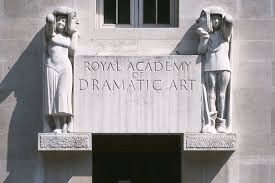
Why It Stands Out
RADA is one of the UK’s most prestigious drama schools, celebrated for its centuries-old acting tradition and modern approach to performance.
Notable Strengths
- Strong emphasis on voice, movement, and stage combat
- Highly selective intake
- Close ties to the West End and British theatre world
London Academy of Music & Dramatic Art – LAMDA (UK)
Why It Stands Out
LAMDA blends classical theatrical rigor with modern screen-acting techniques, creating performers who thrive across mediums.
Notable Strengths
- Cutting-edge facilities
- Screen acting specialization
- Strong industry connections
National Institute of Dramatic Art – NIDA (Australia)
Why It Stands Out
NIDA is Australia’s most famous drama school, known for producing internationally recognized film and theatre actors.
Notable Strengths
- Diverse programs including directing and writing
- Industry-level production experience
- Alumni dominating film and television
UNCSA School of Drama (USA)
Why It Stands Out
The University of North Carolina School of the Arts is one of the strongest U.S. public institutions offering conservatory-level drama training.
Notable Strengths
- Exceptional on-camera acting focus
- Strong ensemble-based training
- Consistently high ranking in global lists
Carnegie Mellon School of Drama (USA)
Why It Stands Out
Carnegie Mellon is one of the oldest acting programs in the U.S., known for its disciplined training and competitive environment.
Notable Strengths
- Comprehensive BFA and MFA programs
- Strong theatre and Broadway pipeline
- Emphasis on preparing students for high-pressure environments
Guildhall School of Music & Drama (UK)
Why It Stands Out
Guildhall is renowned for its actor-musician approach and its commitment to shaping well-rounded performers.
Notable Strengths
- Highly collaborative program
- Strong voice and dialect training
- Alumni working extensively in film and theatre
New York University Tisch School of the Arts (USA)
Why It Stands Out
Tisch offers variety and flexibility, giving students access to multiple studio approaches—from Meisner to Stella Adler.
Notable Strengths
- Versatile training options
- Strong screen-acting focus
- Access to New York’s theatre scene
Yale School of Drama (USA)
Why It Stands Out
Known especially for its MFA program, Yale has built a legacy of producing powerhouse performers.
Notable Strengths
- Exceptional faculty
- Deep focus on classical text
- Collaboration with Yale Repertory Theatre
Royal Conservatoire of Scotland (UK)
Why It Stands Out
This school blends theatre, film, and movement in a curriculum that supports multidisciplinary performers.
Notable Strengths
- Strong dance-theatre integration
- International exposure
- Excellent for students exploring both stage and screen
How These Schools Shape Careers
Training That Builds Character and Technique
Every top drama school emphasizes discipline, creativity, and resilience. These programs aren’t just about acting—they’re about understanding human behavior, managing nerves, and developing emotional intelligence.
Real-World Exposure
Showcases, workshops, internships, and industry collaborations are standard at these institutions. Students often graduate already having interacted with casting directors, agents, and producers.
Alumni Networks
One of the biggest advantages of attending a top drama school is the alumni network. From Hollywood A-listers to award-winning theatre actors, the connections students make can open doors for decades.
Also Read : It: Welcome to Derry S1E5 Recap – Secrets, Sacrifice & the Return of Pennywise
What To Look for When Choosing Your Drama School
Choosing a drama school isn’t just about prestige. Here are key factors to consider:
Classical Training
Schools like RADA or Juilliard excel at Shakespeare, stagecraft, and voice.
Screen-Focused Training
NIDA, LAMDA, and NYU Tisch offer strong on-camera programs.
Experimental or Multidisciplinary
Guildhall and the Royal Conservatoire of Scotland explore innovative performance styles.
Location Matters
Studying in New York, Los Angeles, or London gives you immediate access to major entertainment hubs. But smaller cities often offer more personal attention and a close-knit artistic community.
Budget and Scholarships
Some top drama schools come with high tuition fees. Look for scholarship options, grants, and assistantship programs if finances are a concern.
Audition Requirements
Each school has unique audition expectations, from classical monologues to devised performance pieces. Prepare early and consider professional coaching if possible.
Final Thoughts: Your Path, Your Craft, Your Journey
The world’s top drama schools attract dreamers who want to make something meaningful out of their passion for performance. But remember—your success ultimately depends on your dedication, your voice, and your willingness to keep evolving.
A great school can guide you, challenge you, and open doors. But the artist you become?
That’s all you.
Choose the path that aligns with your identity and your aspirations, and trust that your craft will take you where you’re meant to go.
Also Read : David Corenswet – Age, Height, Family, Career, TV Shows, Awards, Net Worth
FAQs
Q1: Do I need to attend a top drama school to become a successful actor?
No. Many successful actors never attended drama school, but training can offer structure, discipline, and connections that accelerate your progress.
Q2: Which drama school is best for screen acting?
Schools like NYU Tisch, LAMDA, NIDA, and UNCSA have strong screen-training programs.
Q3: How hard is it to get into these elite schools?
Extremely competitive. Acceptance rates often fall below 5–10%.
Q4: Should I choose a BFA or MFA program?
BFAs are ideal for younger performers starting their training. MFAs suit actors looking to deepen or refine their skills.
Q5: What’s the most important factor when choosing a drama school?
Training style, faculty, and environment—choose the school that aligns with your artistic goals.
Join our WhatsApp channel for more updates and information about celebrities and entertainment


I’m Atul Kumar, founder of Cine Storytellers and an entertainment creator with 5+ years of experience. I cover films, celebrities, music, and OTT content with a focus on accurate, ethical, and engaging storytelling. My goal is to bring readers trustworthy entertainment news that informs, inspires, and goes beyond gossip.