
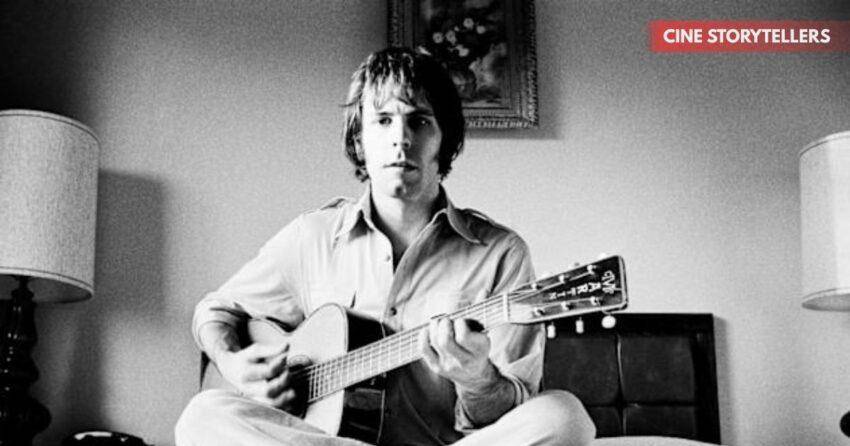
Bob Weir’s life has always been bigger than the stage, and a growing archive of rare photographs proves just how deeply he shaped the visual and cultural identity of the Grateful Dead. These images are not just memorabilia. They capture moments of change, rebellion, creativity, and connection that defined an era of American music. From the raw beginnings in San Francisco to decades of touring and reinvention, Bob Weir’s photographic legacy tells a story that words and songs alone cannot fully explain.
Bob Weir and the Power of Images in Rock History


Music tells you how an era sounded, but photographs show you how it felt. In the case of Bob Weir and the Grateful Dead, images are essential to understanding why the band became more than a musical act. They became a cultural movement.
Photos of Weir document freedom in motion: long rehearsals, loose performances, unfiltered emotion, and a refusal to conform. Whether captured mid-song or in quiet moments offstage, these images reflect a philosophy that valued exploration over perfection. They explain why the Grateful Dead never chased trends and why Bob Weir remained authentic for more than six decades.
The Early Years: A Teenager at the Birth of Counterculture
Some of the most powerful photos of Bob Weir come from the mid-1960s, when he was still a teenager. He appears young, curious, and slightly defiant, standing alongside bandmates who were also figuring things out in real time.
These early images show cluttered rooms, borrowed equipment, and musicians experimenting without knowing where it would lead. Weir’s expressions in these photos often feel searching rather than confident. That uncertainty is part of what makes them compelling. They capture the moment before history was written, when the Grateful Dead were just another strange band in San Francisco’s growing underground scene.
Also Read : T.K. Carter Dies at 69: The Thing, Space Jam Actor’s Life, Career & Legacy
Onstage Transformation: Chaos, Freedom, and Control
As the Grateful Dead grew, so did Bob Weir’s presence onstage. Early performance photos are filled with motion and disorder. Lighting is unpredictable, bodies blur, and the music feels almost visible in the air.
Over time, images reveal a shift. Weir becomes more grounded, more deliberate in how he occupies space. His role as rhythm guitarist becomes clearer, anchoring the band while still allowing improvisation to flourish. These photos show mastery earned through years of experimentation, proving that freedom and discipline can coexist.
Behind the Scenes: The Human Side of a Legend
Candid photos of Bob Weir away from the spotlight offer a different kind of insight. Backstage shots show him laughing, resting, tuning guitars, or quietly preparing for a show. These moments strip away mythology and replace it with humanity.
Some images reveal exhaustion from constant touring, while others show deep camaraderie with fellow musicians. Together, they tell a more complete story: that of an artist balancing personal limits with creative responsibility. These behind-the-scenes photos remind fans that the Grateful Dead’s longevity required real work, sacrifice, and emotional resilience.
Style, Fashion, and Visual Identity
Bob Weir’s fashion evolution is documented almost entirely through photography. Early images show practicality and rebellion: denim, loose shirts, and an unpolished look that rejected mainstream expectations.
Later photos reveal a bolder approach. Weir’s onstage clothing choices often challenged traditional rock norms, emphasizing comfort, individuality, and expression over image control. These visuals reinforced the Grateful Dead’s message that authenticity mattered more than appearances, a philosophy that resonated deeply with fans.
The Audience as Part of the Story
Unlike many rock photographs that isolate the performer, Grateful Dead images often include the crowd. Bob Weir is frequently framed against vast audiences, open landscapes, or communal spaces.
These photos make one thing clear: the band and its fans were inseparable. Weir never appears distant or untouchable. Instead, he looks like part of a shared experience. This visual relationship helps explain the enduring loyalty of Deadheads and why the Grateful Dead’s influence extends far beyond record sales.
Also Read : Full House Stars Honor Bob Saget on Death Anniversary: Tributes, Memories & Legacy
Life on the Road: America Through a Musical Lens
Touring photos of Bob Weir and the Grateful Dead double as portraits of America itself. Outdoor festivals, stadiums, small towns, and improvised venues appear repeatedly in the visual record.
As decades pass, the images reflect changing cultural moods. The optimism of the late 1960s gives way to more complex expressions in later years. Through it all, Weir remains a constant presence, adapting without abandoning the spirit that defined the band from the start.
Beyond the Original Grateful Dead
Photography didn’t stop telling Bob Weir’s story after the original Grateful Dead era ended. Images from later projects show an artist still engaged, still evolving, and still connected to audiences.
Whether performing with Dead & Company or in stripped-down acoustic settings, Weir’s later photos emphasize continuity rather than nostalgia. They show a musician who respects his past without being trapped by it, reinforcing his role as both a guardian of tradition and a living, breathing artist.
Why These Photos Matter Today
In a digital world flooded with images, Bob Weir’s photographs stand out because they carry meaning. They encourage reflection rather than distraction.
For longtime fans, they unlock memories of concerts, friendships, and moments of personal change. For newer audiences, they provide a visual gateway into a culture that valued exploration, community, and openness. These photos prove that the Grateful Dead’s story is not frozen in time. It continues to speak to new generations.
Bob Weir’s Lasting Visual Legacy
Bob Weir’s legacy is not defined by music alone. The photographs spanning his life show an artist deeply connected to his era and his audience.
They document growth without compromise, fame without detachment, and creativity without limits. Through these images, Bob Weir remains not just remembered, but understood. His visual legacy ensures that the spirit of the Grateful Dead lives on, not only in sound, but in sight.
Also Read : Roger Ewing Dead at 83: Gunsmoke Star’s Life, Career & Legacy
FAQs
Who is Bob Weir?
Bob Weir is a founding member of the Grateful Dead, best known as the band’s rhythm guitarist, vocalist, and songwriter.
Why are Bob Weir’s photos important?
They capture the cultural, artistic, and human dimensions of the Grateful Dead, offering insight beyond music alone.
Which era produced the most iconic images?
The late 1960s and 1970s produced many of the most recognizable photos, though later images document Weir’s continued influence.
Are these photographs staged?
Many are candid, taken during performances, rehearsals, and touring, while others are formal portraits.
Why does Bob Weir’s legacy still resonate?
Because his work represents authenticity, community, and artistic freedom, values that remain relevant today
Join our WhatsApp channel for more updates and information about celebrities and entertainment.

I’m Atul Kumar, founder of Cine Storytellers and an entertainment creator with 5+ years of experience. I cover films, celebrities, music, and OTT content with a focus on accurate, ethical, and engaging storytelling. My goal is to bring readers trustworthy entertainment news that informs, inspires, and goes beyond gossip.