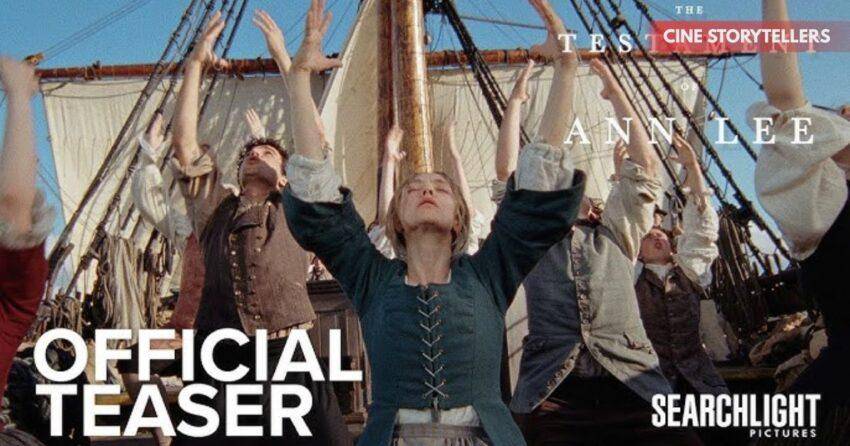
The Testament of Ann Lee (2025) is a daring historical musical drama directed by Mona Fastvold, starring Amanda Seyfried as the Shaker movement founder, Ann Lee. Set in 18th-century England and America, the film tells the story of Lee’s spiritual journey, her fight for equality, and the creation of a celibate utopian community. With expressive choreography, ethereal hymns, and a committed ensemble cast, the film blends biography, ritual, and musical storytelling. While its ambitious style may challenge conventional viewers, Seyfried’s magnetic performance and Fastvold’s visionary direction make it a captivating cinematic experience that resonates emotionally, spiritually, and artistically.
A Bold Take on Historical Drama
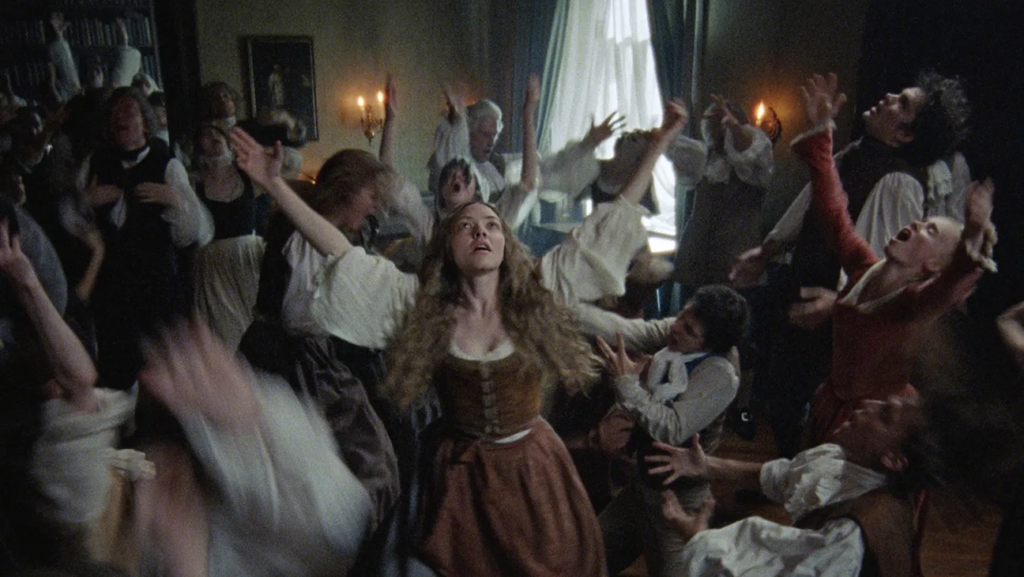
Mona Fastvold’s The Testament of Ann Lee redefines what historical biopics can be. Rather than relying solely on dialogue or traditional narrative structure, the film immerses viewers in Lee’s world through ritualistic choreography, musical sequences, and intimate character moments.
The story captures Ann Lee’s transformation from a grieving widow in Manchester to the visionary leader of the Shaker movement in colonial America. By blending music, dance, and historical realism, the film offers a hypnotic portrait of a woman whose faith and leadership challenged 18th-century societal norms. This isn’t just history; it’s history felt through the body, the voice, and the soul.
Amanda Seyfried’s Career-Defining Role
At the heart of the film is Amanda Seyfried, whose portrayal of Ann Lee is nothing short of transformative. Seyfried embodies both Lee’s vulnerability and her spiritual intensity, delivering a performance that is emotionally layered and physically commanding.
Her musical sequences reveal a previously unseen depth, while her dance performances capture the ecstatic energy of Shaker worship. Critics have hailed Seyfried’s work as a career-best performance, blending charisma, emotional resonance, and authenticity. She becomes Lee in every gesture, every note, and every movement, creating a character that lingers long after the credits roll.
Story and Structure: A Spiritual Odyssey
The screenplay, co-written by Mona Fastvold and Brady Corbet, structures the narrative as a mythic odyssey. We follow Ann Lee’s early visions, her persecution for radical beliefs, and her eventual leadership of the Shaker community in America.
The film explores Lee’s advocacy for celibacy, equality, and communal living. These elements are presented not as abstract ideals but as lived experiences, dramatized through the communal rituals, music, and dance of the Shakers. The narrative emphasizes faith, sacrifice, and resilience, portraying Lee’s life as both deeply personal and profoundly universal.
Choreography and Musical Brilliance
A standout feature of the film is its ecstatic choreography. Overseen by Celia Rowlson-Hall, the Shakers’ movements are depicted with authenticity and artistry. The dances are not decorative but narrative, expressing emotion, spiritual fervor, and communal unity.
Composer Daniel Blumberg reimagines Shaker hymns for the screen, creating a soundtrack that is both reverent and thrilling. The combination of movement and music transforms ordinary sequences into ritualistic spectacles, drawing the audience into the spiritual heartbeat of the Shaker community.
Visuals That Enchant and Immerse
Cinematography and production design are central to the film’s impact. Natural lighting, dynamic camera work, and meticulously crafted sets ground the story in historical reality while allowing for moments of visual transcendence. Overhead shots of the Shaker dance sequences, for example, create mesmerizing patterns, turning performers into living geometric art.
Fastvold’s direction ensures that even in its most surreal musical moments, the film maintains emotional clarity and narrative coherence, balancing spectacle with intimacy.
Also Read : Natalie Grant Reflects on Christmas Album, Faith, Family and the Songs That Still Move Her to Tears
Themes That Resonate Today
Though set centuries ago, The Testament of Ann Lee addresses timeless themes:
- Leadership and Vision: Ann Lee’s courage to lead in a patriarchal world is inspiring.
- Gender and Agency: Lee’s role challenges societal norms regarding women’s authority.
- Faith and Community: The film examines the power, challenges, and beauty of collective belief.
These themes make the story relevant to modern audiences, inviting reflection on contemporary struggles for equality, spiritual fulfillment, and communal living.
Supporting Cast and Performances
While Seyfried anchors the film, the supporting cast brings depth and nuance. Thomasin McKenzie, Lewis Pullman, Tim Blake Nelson, and Christopher Abbott deliver compelling performances, each contributing to the story’s layered depiction of belief, doubt, and devotion. Their portrayals complement Seyfried’s intensity, creating a rich ensemble dynamic that strengthens the film’s emotional resonance.
Reception and Impact
Early reviews have been highly positive. Critics praise the film’s innovative storytelling, Seyfried’s performance, and the hypnotic musical sequences. Rotten Tomatoes reflects an 89% approval rating, and Metacritic shows generally favorable reviews around 76/100. Audience reactions are enthusiastic, with many noting the film’s emotional depth and visual beauty as standout elements.
While its pacing and experimental style may challenge some viewers, these very qualities contribute to its uniqueness, distinguishing it from conventional biopics or musical dramas.
Where the Film Challenges Viewers
The film’s ambitious style is not for everyone. Some viewers may find the extended musical sequences or ritualistic choreography unconventional or demanding. Additionally, the blending of historical events with expressive artistic interpretation can be disorienting for those expecting a linear narrative.
However, these choices are deliberate, inviting the audience to experience history viscerally and emotionally, rather than merely intellectually. For those willing to embrace its rhythm and intensity, the film offers a profound and unforgettable journey.
Also Read : James Cameron Finally Responds to Amy Poehler’s Golden Globes Joke – and Why It Still Matters Years Later
FAQs
What is The Testament of Ann Lee about?
It chronicles the life of Ann Lee, the founder of the Shaker movement, exploring her spiritual visions, communal leadership, and radical beliefs through a blend of music, dance, and drama.
Who stars in the film?
Amanda Seyfried leads as Ann Lee, supported by Thomasin McKenzie, Lewis Pullman, Tim Blake Nelson, and Christopher Abbott.
Who directed the movie?
The film is directed by Mona Fastvold, who co-wrote the screenplay with Brady Corbet.
Is it a musical?
Yes, it incorporates Shaker hymns and choreographed movement as central storytelling elements.
When was it released?
The film premiered in theaters on December 25, 2025.
Is it historically accurate?
While based on true events, some sequences are dramatized for cinematic and musical effect, blending history with artistic interpretation.
Join our WhatsApp channel for more updates and information about celebrities and entertainment.

I’m Atul Kumar, founder of Cine Storytellers and an entertainment creator with 5+ years of experience. I cover films, celebrities, music, and OTT content with a focus on accurate, ethical, and engaging storytelling. My goal is to bring readers trustworthy entertainment news that informs, inspires, and goes beyond gossip.
Discover more from Cine Storytellers
Subscribe to get the latest posts sent to your email.