

The 2025 remake of The Running Man promised a fresh take on the Stephen King dystopian classic, but critics say it stumbles at nearly every turn. This article explores the Running Man remake flaws—including mis-toned satire, underdeveloped characters, weak world-building and failure to capture either the novel’s bite or the 1987 film’s adrenaline.
The Running Man Remake Flaws: Why the 2025 Version Disappoints

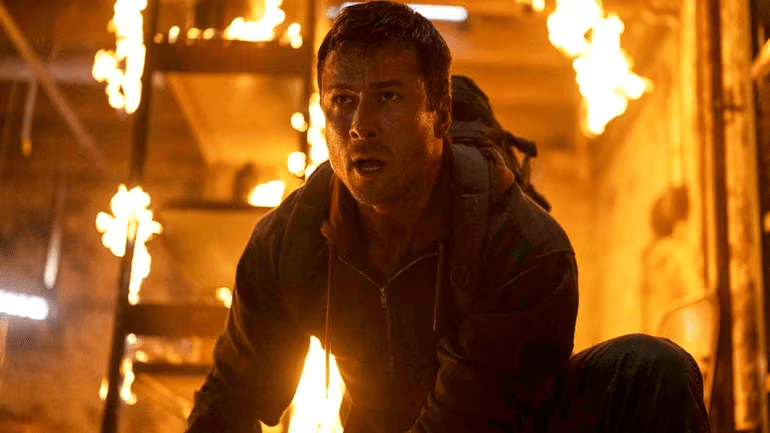
From the moment the trailer dropped, fans of the original “The Running Man” were optimistic that director Edgar Wright’s new vision might restore heft to the story. But early reviews and audience reactions highlight significant problems. Here’s a detailed look at the Running Man remake flaws—and why the film fails to rise above its ambitious remake status.
Flaw 1: Tone and Satire Don’t Land
One of the earliest flagged issues among the Running Man remake flaws is its inconsistent tone. The original 1987 film kept its satirical edge while delivering adrenaline-driven escapism. In contrast, the 2025 version swings between grim dystopia and forced humour, and the result feels uneven.
Critics noted that although the film attempts to echo the novel’s bleakness, it lacks the urgency or fun to anchor the satire. This ambiguity weakens the impact of the commentary on media and surveillance.
Flaw 2: Main Character Lacks Depth and Relatability
Another critical area in the list of Running Man remake flaws is the portrayal of protagonist Ben Richards. Played by Glen Powell, Richards is a central figure, yet many reviewers found him underwritten and emotionally distant.
While the 1987 version gave Richards a charismatic hero vibe and the novel portrayed him as a desperate father, the remake’s approach leaves his motivations vague and his path less compelling.
Flaw 3: World-Building and Setting Feel Shallow
For a film set in a dystopian reality TV future, fully realising the world is essential. Among the Running Man remake flaws, the weakest link is how the 30-day death-game world is depicted. Critics say the dystopia feels too familiar and the show-within-a-film format fails to fully immerse.
Despite strong production value, the remake misses opportunities to expand the novel’s commentary about corporatised spectacle and inequality—and thus its world feels muted.
Flaw 4: Under-utilised Supporting Cast and Spectacle
A film with a stellar ensemble doesn’t guarantee fully realised characters. The Running Man remake flaws include reduced roles for promising actors. While Colman Domingo and Lee Pace stand out, many others feel secondary and under-explored.
Even major action sequences, meant to be spectacle-driven, were criticised for lacking momentum and emotional stakes.
Flaw 5: Lack of Freshness Despite a Talented Filmmaker
Edgar Wright’s name carried high expectations. But when it comes to Running Man remake flaws, the biggest disappointment is that Wright’s signature flair feels constrained. Critics say he leans too heavily on faithful adaptation rather than original vision.
The film’s overall ambition is undeniable—but it fails to deliver a bold identity of its own.
Why These Flaws Matter for Audiences and Fans
Eroded Legacy Appeal
Fans of the original film and novel expect either a faithful revival or a bold re-imagining. The remake lands somewhere in between—and leaves both sets of fans wanting. This is a key entry in the “Running Man remake flaws” list.
Missed Social Commentary
By toning down the novel’s bleakness and the original film’s swagger, the remake loses much of what made “The Running Man” resonate with cultural critique and entertainment value.
Franchise Potential Under Threat
The 2025 film seems set to launch a new chapter for the property. But persistent Running Man remake flaws undermine future profitability, spin-offs and fan support.
The Bigger Picture: Lessons for Remakes
Concept Clarity
If you’re remaking a property, you must decide: revival of tone, bold re-imagining, or hybrid. The Running Man remake flaws stem partly from a lack of clarity on this.
Respect and Reinvention
Fans appreciate homage, but not when it stifles creative energy. A remake must respect its roots while moving forward.
Balancing Spectacle and Substance
Genre films can be fun and deep. The 2025 “The Running Man” tries—but its flaws show the risk when style overtakes story.
Could Any of These Flaws Be Fixed?
Yes—but it would require measurable changes:
- More character development and emotional investment in Richards.
- Tighter world-building with clearer rules for the deadly game.
- Bolder directorial choices—lean into either the satire or the action.
- Elevating supporting characters into meaningful arcs, not cameo appearances.
By addressing these aspects, future releases or versions could spruce up the Running Man remake flaws list.
Also Read : Ariana Grande Singapore Attack: What Happened at the Wicked Premiere
FAQ – The Running Man Remake Flaws
Q1. What are the main flaws in the The Running Man remake?
Key issues include inconsistent tone, a weak lead character, shallow world-building, under-used supporting cast, and lack of directorial distinctiveness.
Q2. Is the remake a faithful adaptation of the Stephen King novel?
While the 2025 version is more faithful than the 1987 film, many critics say it sacrifices cinematic energy for fidelity—adding to its flaws.
Q3. Does the remake improve over the original film?
Opinions vary. Some appreciate the faithful intent and modern visual style, but many feel the original’s entertainment value remains stronger, highlighting the Running Man remake flaws.
Q4. Who is the director and lead actor of the remake?
Directed by Edgar Wright and starring Glen Powell as Ben Richards.
Q5. Will these flaws affect future prospects for the franchise?
Yes. If the remake under-delivers, spin-offs or sequels may suffer from reduced audience trust and franchise fatigue.
Join our WhatsApp channel for more updates and information about celebrities and entertainment.
Discover more from Cine Storytellers
Subscribe to get the latest posts sent to your email.