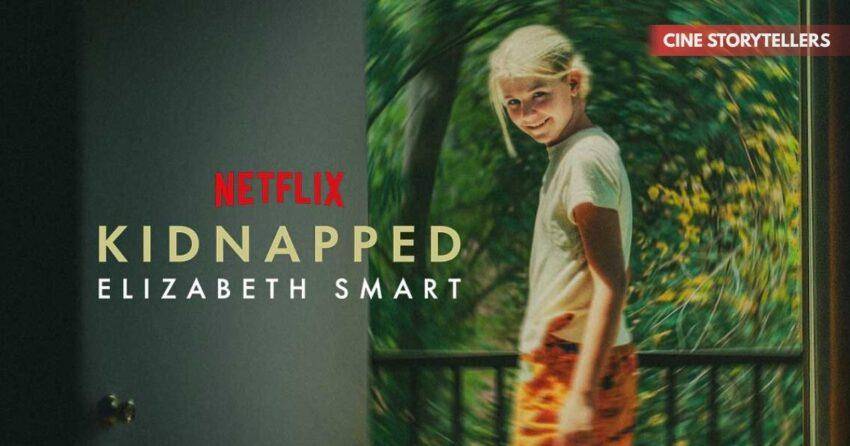
Netflix’s Kidnapped: Elizabeth Smart revisits one of the most widely known abduction cases in U.S. history – but it does so with restraint, empathy, and a clear sense of purpose. Rather than re-traumatizing viewers with sensational details, the documentary allows Elizabeth Smart herself to lead the narrative, reframing the story as one of survival, agency, and long-term healing. This review breaks down how the film works, why it matters, and what makes it one of the most impactful true-crime documentaries in recent years.
A Documentary That Refuses to Exploit Trauma
True-crime documentaries have become a crowded and often controversial genre. Many rely on shock value, ominous music, and cliffhanger editing to keep viewers hooked. Kidnapped: Elizabeth Smart takes a very different path.
From its opening moments, the film signals that this is not about recreating fear for entertainment. Instead, it’s about understanding what happened — and more importantly, what it meant — to the person at the center of the story. The documentary avoids lurid details and resists the urge to dramatize violence. That restraint becomes one of its greatest strengths.
Rather than asking viewers to rubberneck at tragedy, the film invites them to listen.
Elizabeth Smart as the Emotional Anchor
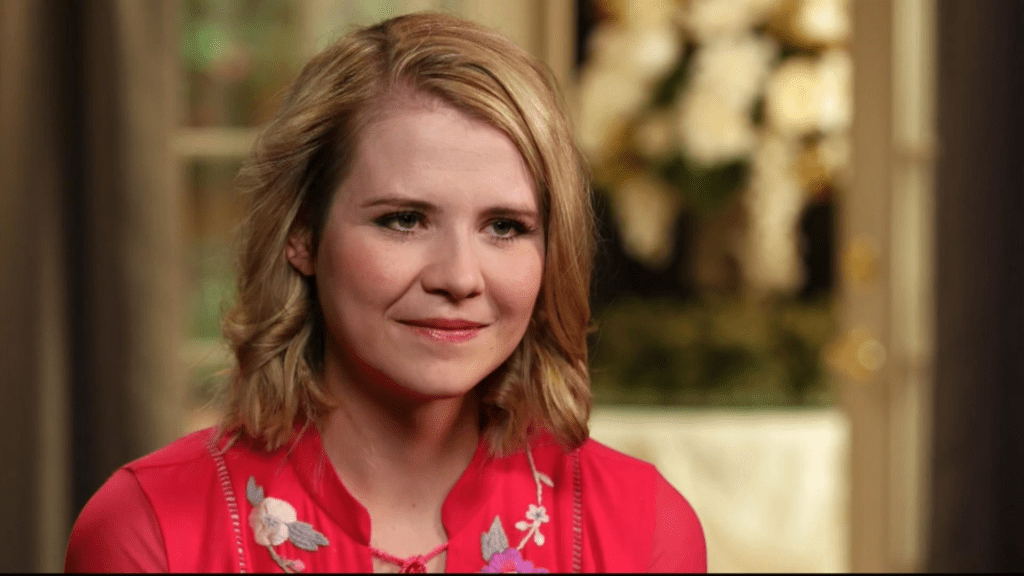
What immediately sets this documentary apart is Elizabeth Smart’s presence. She is not treated as a subject being analyzed but as a storyteller reclaiming her own narrative.
Now an adult, Elizabeth reflects on her kidnapping with clarity and emotional honesty. Her voice — calm, measured, and deeply self-aware — reframes moments that were once reduced to headlines and breaking-news chyrons. She speaks openly about fear, confusion, shame, and survival, but she also talks about growth, advocacy, and reclaiming identity.
This shift in perspective fundamentally changes how the story lands. The focus moves away from the perpetrators and toward the lived experience of the survivor. In doing so, the documentary quietly but firmly challenges how these stories are usually told.
Also Read : Kanye West India Concert 2026: First-Ever Live Performance, Dates, Cities, and What Fans Can Expect
Revisiting the Night That Changed Everything
The film carefully reconstructs the night of Elizabeth’s abduction in 2002. Rather than relying on graphic reenactments, it uses restrained visuals, archival audio, and family recollections — particularly from Elizabeth’s sister, who witnessed the kidnapping.
These moments are unsettling not because of what is shown, but because of what is implied. The simplicity of the storytelling allows the horror to register without being overstated. The emphasis remains on the emotional rupture experienced by the family, not the spectacle of the crime itself.
This approach makes the early portion of the documentary especially effective. It establishes stakes without overwhelming the viewer or turning trauma into a cinematic device.
Captivity Without Sensationalism
The months Elizabeth spent in captivity are addressed with care and precision. The documentary does not shy away from discussing abuse and psychological control, but it does so in a way that centers understanding rather than shock.
Elizabeth explains how manipulation, fear, and survival instincts shaped her decisions — including moments that were misunderstood or unfairly judged in the media at the time. These insights are among the film’s most important contributions, offering context that is often missing from public discussions about victim behavior.
By letting Elizabeth articulate these experiences in her own words, the documentary dismantles harmful myths about consent, compliance, and “why someone didn’t just escape.” It replaces judgment with nuance.
The Role of Family and Community
While Elizabeth’s voice remains central, the documentary also gives space to her family’s experience. Her parents and siblings speak candidly about guilt, helplessness, and the endless uncertainty of not knowing where a loved one is.
Their reflections add emotional depth and broaden the scope of the story. This was not a tragedy that affected one person alone — it rippled through an entire family and community. The film captures that collective trauma without losing focus or becoming unfocused.
The balance between personal testimony and broader context is one of the documentary’s quiet achievements.
Media Coverage and Public Pressure
One of the film’s more subtle but compelling threads is its examination of media coverage during the search for Elizabeth Smart. The documentary acknowledges how wall-to-wall news attention helped keep her case visible — but it also explores the unintended consequences of that exposure.
Elizabeth reflects on how public narratives shaped perceptions of her behavior both during and after her rescue. The documentary doesn’t accuse or sensationalize; instead, it asks viewers to consider how stories are framed and who gets to control them.
In an era of viral headlines and instant judgment, this reflection feels especially timely.
Also Read : Rachel McAdams & Jamie Linden’s Rare Walk of Fame Appearance
A Story About Survival, Not Just Rescue
Many true-crime stories end with the moment of rescue. Kidnapped: Elizabeth Smart treats that moment as a turning point, not a conclusion.
The documentary spends meaningful time exploring what came after — the long, nonlinear process of healing. Elizabeth speaks about the difficulty of reintegration, the expectations placed on her, and the internal work required to move forward.
This emphasis is crucial. It challenges the idea that survival automatically equals closure and underscores that recovery is ongoing. The film’s willingness to sit with that reality gives it emotional credibility.
Direction, Tone, and Craft
From a filmmaking perspective, the documentary is understated and disciplined. The direction favors clean compositions, neutral lighting, and minimal scoring. There are no manipulative crescendos or artificial cliffhangers.
This aesthetic restraint mirrors the film’s ethical approach. It trusts the story — and the audience — enough to avoid unnecessary embellishment. The result is a viewing experience that feels grounded and respectful, even when dealing with deeply painful material.
The pacing is deliberate, allowing space for reflection rather than rushing toward dramatic beats.
Why This Documentary Matters Now
Kidnapped: Elizabeth Smart arrives at a time when audiences are increasingly critical of how real-life trauma is packaged for entertainment. The film feels aware of that conversation and actively responds to it.
By centering survivor agency, prioritizing context, and rejecting sensationalism, the documentary models a more responsible way to tell true-crime stories. It demonstrates that these narratives can be compelling without being exploitative — and informative without being voyeuristic.
In that sense, the film isn’t just recounting a past event; it’s participating in an ongoing cultural shift.
How It Stands Apart From Other True-Crime Stories
Compared to traditional true-crime documentaries, Kidnapped: Elizabeth Smart feels less like an investigation and more like a reckoning. It’s not concerned with twists or reveals. The facts are largely known.
What’s new — and valuable — is perspective.
This film asks different questions: How does trauma shape memory? What does survival really look like? Who benefits from the way these stories are told? Those questions linger long after the credits roll.
Final Verdict
Kidnapped: Elizabeth Smart is a powerful, thoughtful documentary that reclaims a story long overshadowed by sensational coverage. Anchored by Elizabeth Smart’s own voice, it transforms a familiar case into a deeply human exploration of trauma, resilience, and agency.
It’s not an easy watch — nor should it be — but it is an important one. By choosing empathy over exploitation, the documentary sets a higher standard for true-crime storytelling.
Also Read : Taylor Swift Texts Revealed in Blake Lively vs Justin Baldoni Lawsuit: Full Story Explained
FAQs
What is Kidnapped: Elizabeth Smart about?
The documentary revisits the 2002 abduction of Elizabeth Smart, told primarily through her own perspective, with additional insight from her family.
Where can I watch the documentary?
Kidnapped: Elizabeth Smart is available to stream on Netflix.
Is the documentary graphic?
While it addresses serious topics including abduction and abuse, it avoids graphic visuals and focuses on emotional truth rather than shock value.
What makes this documentary different from other true-crime films?
It centers survivor agency, avoids sensationalism, and focuses on long-term healing rather than just the crime itself.
Is it suitable for all audiences?
Due to its subject matter, the documentary is intended for mature viewers and may be triggering for some.
Does Elizabeth Smart participate directly in the film?
Yes. Elizabeth Smart plays a central role, guiding the narrative through her own reflections and experiences.
Join our WhatsApp channel for more updates and information about celebrities and entertainment.

I’m Atul Kumar, founder of Cine Storytellers and an entertainment creator with 5+ years of experience. I cover films, celebrities, music, and OTT content with a focus on accurate, ethical, and engaging storytelling. My goal is to bring readers trustworthy entertainment news that informs, inspires, and goes beyond gossip.
Discover more from Cine Storytellers
Subscribe to get the latest posts sent to your email.