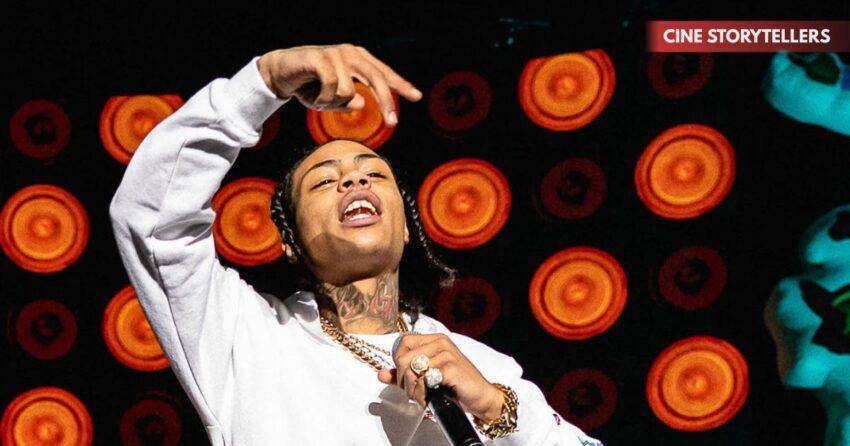
Bronx rapper Kay Flock, born Kevin Perez, has been sentenced to 30 years in federal prison after being convicted on racketeering and violent crime charges tied to shootings in New York City. At just 22 years old, his sentence marks a significant moment in the intersection of street life, drill music, and the criminal justice system. In this article, we unpack the details of the case, why the sentence is so long, how the music world has reacted, and what this could mean for communities and youth culture moving forward.
Kay Flock’s 30-Year Sentence: What Happened?
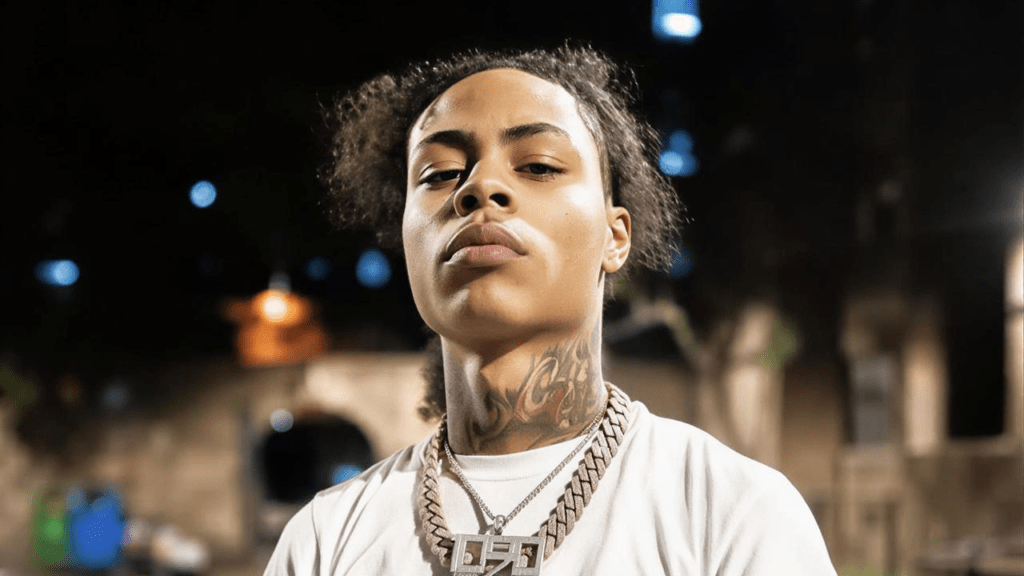
In a courtroom in Manhattan, a federal judge handed down a 30-year prison sentence to Bronx rapper Kay Flock, whose real name is Kevin Perez, after a conviction in a racketeering case tied to multiple shootings. The sentence came following a trial where prosecutors argued that Perez’s actions went far beyond music and played a central role in a pattern of gang-related violence.
For many fans, Kay Flock was an exciting young voice in drill music — gritty, intense, and authentic. But prosecutors painted a very different picture in court: not just an artist expressing life experiences, but someone who actively participated in violent acts and weapons conspiracies that led to real harm.
At only 22 years old, the sentence has sent shockwaves through both the music industry and communities watching the case closely.
The Charges: Racketeering and Violent Crime Explained
Kay Flock’s case wasn’t a simple one charge or a minor offense. The federal indictment included multiple serious allegations:
- Racketeering conspiracy
- Attempted murder in aid of racketeering
- Assault with a deadly weapon
- Firearms offenses
A racketeering charge means prosecutors argued that Perez and others operated as part of an organized criminal enterprise involved in shootings and other violent acts — not just isolated incidents. According to court documents, evidence presented at trial tied Perez to specific shooting incidents and plans involving firearms, which federal prosecutors used to build their case.
In federal court, racketeering carries heavy minimum sentences, especially when weapons and violent acts are involved. Combined with the other charges, the total sentencing exposure quickly added up.
Who Is Kay Flock? From Bronx Streets to National Spotlight
Kevin Perez grew up in the Bronx, where drill music — a raw, lyric-driven style rooted in the realities of street life. It has become one of the dominant artistic expressions among youth. Kay Flock emerged as one of the genre’s brightest young stars. It gaining fame for tracks that spoke bluntly about hardship, loyalty, survival, and conflict.
Fans appreciated his energy and lyrical skill; critics of drill music pointed to its often violent imagery and questioned whether it fueled real-world behavior. Whatever your perspective, it’s clear that Kay Flock’s rise wasn’t accidental — he tapped into a cultural moment and a passionate fan base hungry for authenticity.
But while his music may have reflected his environment, the legal system drew a sharp line between artistic expression and criminal conduct.
How the Court Viewed the Case
Federal Judge Lewis J. Liman made clear in court that the sentence reflected. It is not just the brutality of the crimes but also the danger Perez posed to public safety. From prosecutors’ vantage point, Perez’s involvement in shootings and leadership. Within the criminal enterprise justified a sentence that many see as unusually severe for someone so young.
Supporters of the sentence argue that it was necessary to deter future violence and hold individuals accountable for actions that led to deaths and injuries. Opponents, however, see it as an example of how young Black and Latino men are swept up in harsh federal sentencing, especially when their art overlaps with real-life affiliations.
This debate — about art vs. action, expression vs. responsibility — has become central to how the Kay Flock story is being discussed in media, community forums, and among artists.
Also Read : Michelle Williams Shines in Anna Christie: A 2025 Revival That Sparks Debate
Music Industry Reaction: Support, Shock, and Silence
News of Kay Flock’s sentence resonated quickly across social media and the music world. Some fellow artists expressed support for Perez, emphasizing his talent and lamenting what they see as lost potential. Others refrained from public commentary, perhaps wary of endorsing the violent behavior alleged in court or avoiding legal scrutiny themselves.
Critics of drill music used the moment to argue that the genre glamorizes violence and contributes to cycles of retaliation. Proponents counter that drill is simply a reflection — not a cause — of the realities many young people face. And that successful artists have used the platform to uplift their communities.
No matter where people stand, the case has sparked a broader conversation about how the music industry supports artists. Whose lives are intertwined with dangerous environments. Some see the sentence as a cautionary tale; others view it as a tragic loss of artistic promise.
The Bronx Community Responds
In the Bronx, where Kay Flock grew up and first gained attention, reactions are understandably mixed. Some community members mourn the loss of a young life cut short behind bars, pointing to systemic issues like poverty, lack of opportunity, and overpolicing.
Others emphasize accountability, especially for victims and families impacted by the violent incidents tied to the case. For many residents, the debate isn’t just about music or fame. It’s about safety, justice, and the long-term investment needed to help young people. It build futures that don’t involve crime or incarceration.
Local leaders have reiterated calls for more community resources, mentorship programs, and creative outlets. That can give youth alternatives to gang lifestyle and violence.
Also Read : Stephen King Pays Heartfelt Tribute to Rob Reiner: Celebrating a Filmmaker and Lifelong Friend
What This Means for Drill Music’s Future
Drill music was never destined to be safe or sanitized. Its power comes from the rawness of real stories. But Kay Flock’s sentence raises questions about whether artists. It will feel pressure to avoid harsh narratives, or conversely, whether the legal system will increasingly interpret lyrical content.
Record labels, promoters, and managers may become more cautious in how they support artists whose lives straddle both music and street identity. Meanwhile, some fans argue that criminalizing music culture only pushes it deeper underground, making it harder to access and understand.
The debate touches on freedom of expression, cultural representation, and how society distinguishes between storytelling and real-world conduct.
Looking Ahead: The Ripple Effects
Kay Flock’s 30-year sentence is more than just a news headline — it’s a moment that will likely influence artists, fans, legal observers, and cultural critics for years.
- For young artists: The case serves as a stark reminder that fame does not provide immunity from consequences for illegal behavior.
- For the justice system: It highlights the tension between prosecutorial power and cultural context. In cases where music and alleged criminal actions intersect.
- For fans and communities: It invites reflection on how we support young people. Whether through art, education, or intervention programs that keep them from dangerous paths.
No matter how you view the case, its impact extends beyond a single courtroom. It touches on the future of a music genre and the lives of young Black and Latino artists trying to rise above difficult circumstances.
Also Read : Matt Forde Opens Up About Rare Spinal Cancer: Diagnosis, Surgery, and Life After Chordoma
FAQs
Why was Kay Flock sentenced to 30 years in prison?
Kay Flock (Kevin Perez) received a 30-year federal sentence. After being convicted on racketeering, attempted murder, firearms, and assault charges tied to shootings and criminal enterprise activity.
How old is Kay Flock?
He was 22 years old at the time of sentencing.
What is racketeering?
Racketeering involves participating in an organized criminal enterprise. That engages in a pattern of illegal conduct, often including violence, drug trafficking, or extortion.
Is drill music illegal?
No — drill music itself is not illegal. However, prosecutors in some cases have used lyrics or associations as part of evidence when tied to alleged criminal acts.
How has the music community reacted?
Reactions are mixed: some artists and fans express support and disappointment, while others stress accountability and condemn violence.
Join our WhatsApp channel for more updates and information about celebrities and entertainment

I’m Atul Kumar, founder of Cine Storytellers and an entertainment creator with 5+ years of experience. I cover films, celebrities, music, and OTT content with a focus on accurate, ethical, and engaging storytelling. My goal is to bring readers trustworthy entertainment news that informs, inspires, and goes beyond gossip.
Discover more from Cine Storytellers
Subscribe to get the latest posts sent to your email.