
The 2026 Eurovision Song Contest faces its biggest political shake-up yet. Broadcasters from Spain, the Netherlands, Ireland, and Slovenia have announced a boycott in protest of Israel’s inclusion amid the Gaza conflict. While political controversies are not new to Eurovision, the collective withdrawal of major participants marks an unprecedented moment. This article traces Eurovision’s history of political controversies, explains why the current boycott is different, and examines what it could mean for the future of this beloved music event.
A watershed moment: what’s happening with Eurovision 2026

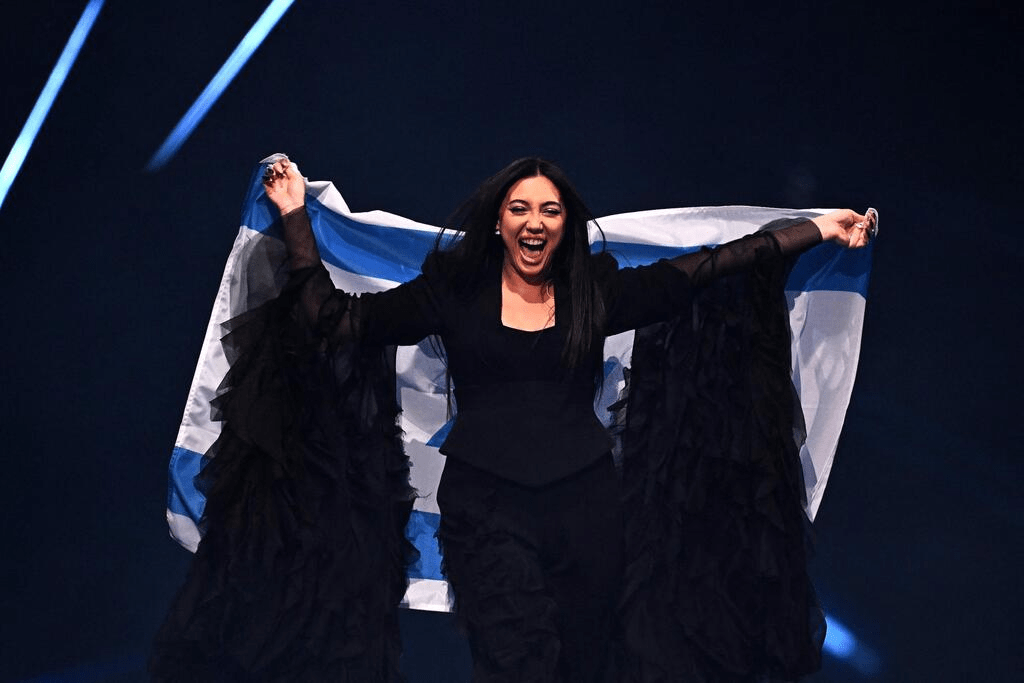
The 2026 edition of Eurovision was expected to be another celebration of music, creativity, and pan-European unity. Instead, it has become a focal point for political protest. Broadcasters from Spain, the Netherlands, Ireland, and Slovenia announced their withdrawal from the contest in response to Israel’s inclusion, citing humanitarian concerns and moral responsibilities.
Spain’s participation as a major financial contributor makes its withdrawal particularly notable. The decision signals more than just a protest; it challenges Eurovision’s image as a purely apolitical event
Why this boycott matters more than previous ones
Eurovision’s stated identity vs. evolving reality
Eurovision has long positioned itself as a celebration of music and unity, but history shows it has rarely been immune to politics. Conflicts, boycotts, and disputes over song lyrics have repeatedly demonstrated that the contest reflects broader geopolitical tensions.
Past controversies and protests
Eurovision has seen boycotts and exclusions before. In the 1970s, Greece and Turkey withdrew in response to regional conflicts. There have also been disputes over song content perceived as political or offensive, and countries have occasionally been banned due to international tensions. While such controversies have occurred, they rarely involved multiple major broadcasters simultaneously.
What makes 2025‑26 different
This boycott stands out because:
- Multiple long-standing participants have withdrawn together, rather than just one or two.
- The protest is based on real-world humanitarian issues, not lyrics or minor disputes.
- The boycott raises existential questions about Eurovision’s role: is it a music contest, a platform for diplomacy, or both?
How Eurovision organizers responded
The contest organizers opted not to exclude Israel. Instead, they introduced reforms intended to strengthen voting transparency and limit political influence. However, these measures did not satisfy the boycotting broadcasters, who argued that Israel’s inclusion was incompatible with the contest’s values given the ongoing humanitarian crisis.
This decision has sparked broader debate about whether Eurovision can ever remain fully apolitical, especially in times of major international conflict.
Eurovision’s history of soft power and politics
Cultural diplomacy in the contest
From its beginnings, Eurovision has served not just as entertainment but as a tool of cultural diplomacy. Participation often reflected political or cultural statements, demonstrating values, alliances, or opposition in subtle ways.
The thin line between music and politics
Over the decades, Eurovision has repeatedly navigated political controversies, from song censorship to banning entire countries due to conflict. These incidents show that even a contest meant to be purely musical is inevitably influenced by global events.
Potential impact of the 2026 boycott
Risk of fragmentation
With major broadcasters absent, the contest could lose viewers and relevance. Fragmentation threatens the unity and appeal that have been central to Eurovision’s identity for decades.
A redefinition of values
Eurovision may be forced to reconsider its purpose. Is it simply a music competition, or a platform where international values and humanitarian concerns matter? The outcome could redefine what the contest represents.
Long-term consequences
- Other broadcasters might follow suit if geopolitical tensions persist.
- Organizers may need stricter policies on political participation, which could raise questions of fairness and bias.
- Eurovision could evolve from a purely musical festival into a space where political and moral issues are openly negotiated.
Global significance beyond Europe
Even for viewers outside Europe, Eurovision has long been a symbol of cultural exchange. Political interventions in the contest affect global perceptions, highlighting how music and entertainment can intersect with pressing international issues.
Also Read : Nuremberg Review: A Gripping Look at Justice, Power, and Human Morality in Wartime
FAQs
Why are Spain, the Netherlands, Ireland, and Slovenia boycotting Eurovision 2026?
They are protesting Israel’s participation in light of the ongoing humanitarian crisis in Gaza and believe their participation would conflict with their moral responsibilities.
Has Eurovision seen boycotts before?
Yes, countries have withdrawn in response to conflicts, political disputes, or controversial song content. However, a coordinated withdrawal of multiple major broadcasters is unprecedented.
Does this boycott mean Eurovision is over?
Not necessarily, but it marks a significant turning point. The contest may now evolve to consider political and humanitarian values alongside music.
What did Eurovision organizers do in response?
Organizers allowed Israel to participate and introduced reforms to strengthen voting transparency and limit external influence, but these measures did not prevent the boycott.
Could the boycotting countries return in the future?
It’s possible. If the issues prompting withdrawal are resolved, these countries may rejoin, potentially reshaping the contest once again.
Join our WhatsApp channel for more updates and information about celebrities and entertainment.


I’m Atul Kumar, founder of Cine Storytellers and an entertainment creator with 5+ years of experience. I cover films, celebrities, music, and OTT content with a focus on accurate, ethical, and engaging storytelling. My goal is to bring readers trustworthy entertainment news that informs, inspires, and goes beyond gossip.