
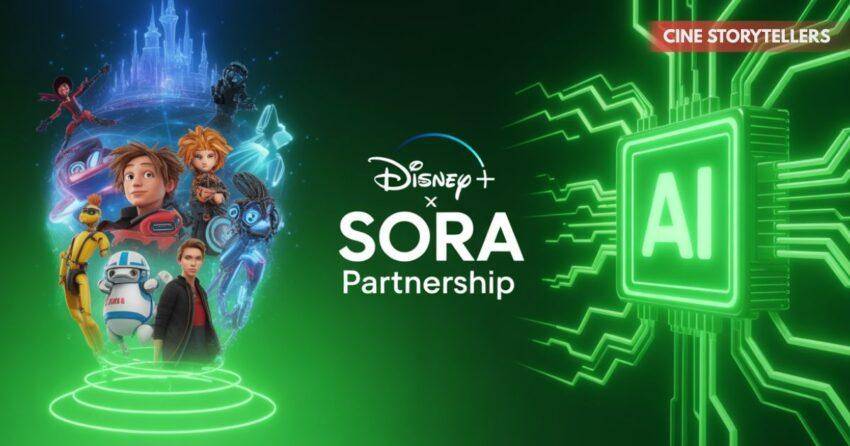
The Walt Disney Company has made a $1 billion investment in OpenAI and licensed over 200 characters from Disney, Marvel, Pixar, and Star Wars to the Sora AI video platform. Under this three-year deal, fans will be able to create short AI-generated videos featuring these characters, though actor likenesses and voices are excluded. Disney may also feature curated content on Disney+ and plans to use OpenAI technology across its business. This article explores the deal’s details, implications for content creators, and what fans can expect in 2026.
Disney Takes a Bold Step Into AI With OpenAI

Disney has made headlines with its $1 billion partnership with OpenAI, signaling one of the most ambitious moves by a major entertainment company into generative AI. The deal combines investment, licensing, and creative collaboration, allowing Disney to leverage OpenAI’s Sora platform while bringing its world-famous characters into the AI space.
For Disney, this isn’t just a tech play. It’s about modernizing content engagement, giving fans new ways to interact with beloved franchises, and shaping the future of AI-generated media in a responsible way.
What the Deal Entails
Licensing Disney Characters to Sora
Under the three-year agreement, Disney will license over 200 characters and assets from Disney, Pixar, Marvel, and Star Wars to the Sora AI platform. This includes:
- Classic Disney icons like Mickey Mouse, Simba, and Ariel.
- Pixar favorites such as Woody, Buzz Lightyear, and characters from Inside Out and Up.
- Marvel superheroes and villains including Iron Man, Loki, and Black Panther.
- Star Wars legends like Yoda, Darth Vader, and Luke Skywalker.
Fans will be able to create short AI-generated videos featuring these characters, incorporating costumes, props, environments, and vehicles, allowing for unprecedented creativity. However, actor likenesses and voices are not included, maintaining protections for talent rights.
Investment and Strategic Integration
Beyond licensing, Disney will make a $1 billion equity investment in OpenAI and obtain warrants for future equity purchases. The company also plans to integrate OpenAI tools internally, including potential use across Disney+, employee productivity, and content creation processes.
This dual approach—investment plus IP licensing—makes Disney both a strategic partner and a content provider, ensuring its franchises are represented responsibly while benefiting from AI-driven creativity.
Why This Partnership Is Significant
A First for Generative AI in Entertainment
While many studios have faced challenges from unlicensed AI use, Disney is taking a proactive approach. By officially licensing characters to OpenAI, Disney becomes the first major entertainment company to embrace AI-generated fan content within a controlled framework.
This opens doors for:
- Fan-generated content that’s officially approved,
- New ways to engage audiences digitally, and
- Revenue and brand protection opportunities.
It also signals to other studios that cooperation can be more effective than litigation when dealing with generative AI.
Modernizing Disney’s Brand Experience
For decades, Disney has relied on theme parks, films, merchandise, and streaming to engage fans. Integrating AI into its ecosystem allows the company to extend storytelling into fan creativity:
- Users can generate unique scenes or short videos featuring favorite characters.
- Disney can curate standout content for Disney+ or social platforms.
- Generative AI tools may be embedded across Disney services, enhancing user experiences and internal workflows.
This aligns with Disney’s broader mission of storytelling innovation while safeguarding IP rights.
What Fans Can Expect
AI Videos Without Actor Likeness
Fans will enjoy creating AI videos featuring visual representations of characters, but not the real-life likenesses or voices of actors. For example:
- You could generate a clip of Iron Man flying over a city, but the AI will not replicate Robert Downey Jr.’s exact face or voice.
- Similarly, Mickey Mouse can appear in a new scene, but the human performers behind the voice or motion will not be used.
This ensures a balance between creativity and intellectual property protection.
Diverse and Beloved Characters
The wide range of characters licensed to Sora allows for endless possibilities:
- Classic Disney: Princesses, animals, and magical creatures.
- Pixar: Fan-favorite animated heroes, monsters, and vehicles.
- Marvel: Superheroes, villains, and action sequences.
- Star Wars: Galactic heroes, villains, and iconic settings.
Fans can combine characters and settings in imaginative ways, creating short stories, social clips, or tribute videos that feel both personal and officially sanctioned.
Business and Industry Implications
Shaping the Future of IP in AI
Disney’s move shows how studios can embrace AI while maintaining control. By licensing content directly to OpenAI:
- Disney ensures its characters are used appropriately and safely.
- OpenAI gains legally cleared assets, avoiding disputes with IP owners.
- The model could inspire other studios to adopt cooperative approaches, rather than pursuing lawsuits against generative AI platforms.
This partnership is not only a financial investment but a strategic blueprint for the entertainment industry in the AI era.
Internal Use of AI
Disney also plans to deploy OpenAI technology internally:
- Using ChatGPT for employee productivity and innovation.
- Integrating generative AI into content creation pipelines.
- Exploring AI-driven creative experiments for films, shows, or interactive experiences.
This makes Disney both a user and partner of OpenAI technology, positioning the company at the forefront of AI adoption in media.
Also Read : Taylor Swift on Stephen Colbert: Love, Life, New Projects & Candid Interview Highlights
Safety and Responsible Use
Maintaining Brand Standards
Disney and OpenAI have emphasized responsible AI practices:
- Age-appropriate filters and safety checks on generated content.
- Exclusion of real actor likenesses and voices to protect talent rights.
- Oversight mechanisms to ensure fan-generated content aligns with Disney values.
This is particularly important given concerns around deepfakes, misuse of AI, and IP violations in unregulated platforms.
Curated Disney+ Content
Some of the best fan-generated videos may be featured on Disney+, giving creators exposure and Disney a way to showcase community creativity. This approach turns fan participation into a shared storytelling experience that benefits both the audience and the brand.
Timing: When Will It Launch?
The companies plan to roll out the licensed Sora features in early 2026. This allows time for:
- Fine-tuning AI tools,
- Ensuring compliance with brand and safety standards, and
- Preparing marketing and support materials for creators.
Fans and creators can expect to begin experimenting with Disney characters in Sora within the first quarter of 2026, opening a new era of fan-driven creativity.
Why This Deal Matters for the Industry
Disney’s Sora deal represents a turning point in how IP and AI interact:
- Fan engagement: Creators can produce content using officially licensed characters.
- Revenue opportunities: Disney benefits from licensing, curated content, and strategic investment.
- Innovation leadership: Disney sets a precedent for responsible AI adoption, encouraging other studios to partner rather than litigate.
In short, it’s not just a $1 billion investment — it’s a statement about the future of entertainment, AI, and fan creativity.
Also Read : Percy Jackson Cast Opens Up: How They ‘Geeked Out’ Over Greek Mythology
FAQs
Q1: What does the Disney-OpenAI Sora deal include?
Disney licensed over 200 characters from Disney, Pixar, Marvel, and Star Wars for use on OpenAI’s Sora AI platform, alongside a $1 billion equity investment.
Q2: Can users replicate actor voices or likenesses?
No — the deal specifically excludes actor likenesses and voices to protect talent rights.
Q3: When will fan-generated AI videos be available?
The rollout is expected in early 2026.
Q4: Will Disney use OpenAI tools internally?
Yes — Disney plans to integrate AI across its business, including Disney+, employee workflows, and creative projects.
Q5: Why is this deal important for the entertainment industry?
It demonstrates a cooperative, responsible approach to AI licensing, protecting IP while encouraging innovation and fan engagement.
Join our WhatsApp channel for more updates and information about celebrities and entertainment.


I’m Atul Kumar, founder of Cine Storytellers and an entertainment creator with 5+ years of experience. I cover films, celebrities, music, and OTT content with a focus on accurate, ethical, and engaging storytelling. My goal is to bring readers trustworthy entertainment news that informs, inspires, and goes beyond gossip.