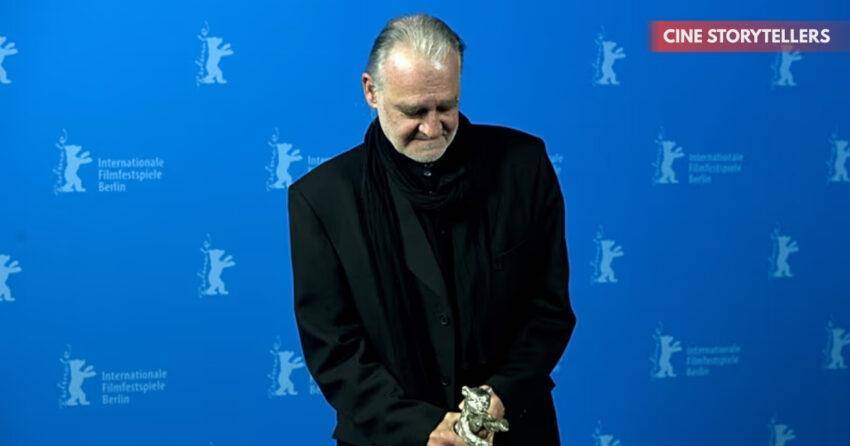
Béla Tarr, one of the most uncompromising and influential filmmakers in modern cinema, has died at the age of 70. Best known for his hypnotic long takes, stark black-and-white visuals, and deeply philosophical storytelling, Tarr reshaped arthouse cinema and helped define the slow-cinema movement. From Sátántangó to The Turin Horse, his films challenged audiences to slow down, observe, and reflect. His death marks the end of a singular artistic era, but his influence will continue to shape filmmakers and cinephiles for generations.
The World of Cinema Mourns Béla Tarr
The global film community is mourning the loss of Béla Tarr, the Hungarian auteur whose work permanently altered how cinema could be experienced. Known for films that rejected conventional pacing and narrative structure, Tarr created immersive worlds that demanded patience and rewarded viewers with profound emotional and philosophical depth.
His passing is not just the loss of a director, but the loss of a unique cinematic voice—one that insisted film could be meditative, challenging, and deeply human. For many filmmakers and critics, Tarr wasn’t simply making movies; he was redefining the language of cinema itself.
Béla Tarr’s Early Life and Path to Filmmaking
Born in Hungary in 1955, Béla Tarr showed an early interest in storytelling and social realities. As a teenager, he began making amateur films that focused on working-class life and everyday struggles. These early projects revealed a fascination with realism and human behavior that would later evolve into something far more stylized and philosophical.
Rather than following a traditional commercial filmmaking route, Tarr gravitated toward experimental spaces and collective studios. His early exposure to documentary-style filmmaking shaped his belief that cinema should confront reality rather than escape it.
From Social Realism to a Singular Artistic Vision
Tarr’s first feature films were rooted in social realism, portraying the hardships of ordinary people under restrictive political and economic systems. Over time, however, his work began to shift. The stories became less about plot and more about atmosphere, rhythm, and existential weight.
This evolution marked the birth of the style that would make him internationally renowned: extremely long takes, minimal dialogue, and a slow, deliberate camera that seemed to observe life rather than dramatize it. Tarr wasn’t interested in entertaining viewers—he wanted them to experience time, space, and emotion differently.
Also Read : Hugh Jackman and Sutton Foster Costa Rica Getaway: Romantic Photos, Relationship Timeline & Inside Look
Sátántangó and the Film That Redefined Patience
No discussion of Béla Tarr is complete without Sátántangó, the seven-and-a-half-hour epic that became both legendary and polarizing. Released in the 1990s, the film follows a collapsing rural community through a hypnotic structure inspired by a tango’s steps—forward and backward.
For some, it was an endurance test. For others, it was a revelation. Sátántangó proved that cinema didn’t have to obey standard rules of length or pacing. It established Tarr as a filmmaker willing to challenge not only audiences, but the industry itself.
A Defining Collaboration With László Krasznahorkai
A key force behind Tarr’s greatest works was his long-standing collaboration with novelist László Krasznahorkai. The writer’s dense, philosophical prose aligned perfectly with Tarr’s visual language, resulting in films that felt literary yet profoundly cinematic.
Together, they created stories that explored moral decay, hopelessness, and the cyclical nature of human failure. Their partnership is often cited as one of the most important director-writer collaborations in modern European cinema.
Werckmeister Harmonies and Existential Cinema
Following Sátántangó, Tarr continued refining his vision with films like Werckmeister Harmonies. This haunting work blends political allegory with existential dread, unfolding through long tracking shots that feel almost hypnotic.
Rather than explaining its themes, the film allows meaning to emerge slowly. Viewers aren’t told what to think; they’re invited to feel the unease, confusion, and inevitability that define the human condition in Tarr’s universe.
The Turin Horse: A Final Statement
Tarr’s final feature, The Turin Horse, released in 2011, was widely understood as his farewell to cinema. The film tells a bleak, repetitive story of survival and decay, inspired loosely by a famous anecdote about philosopher Friedrich Nietzsche.
After its release, Tarr announced that he was done making narrative films. He believed he had said everything he needed to say. In hindsight, The Turin Horse feels like a closing chapter—not just of his career, but of an entire philosophical approach to filmmaking.
Why Béla Tarr’s Style Was So Radical
What made Béla Tarr different wasn’t just slowness—it was intention. Every extended shot, every silence, every repetitive action served a purpose. His films rejected quick gratification in favor of contemplation.
Key elements of his style included:
- Extremely long, choreographed camera movements
- Minimal use of dialogue
- Stark black-and-white cinematography
- Repetitive daily actions to emphasize monotony and despair
This approach forced audiences to confront time itself, making his films deeply immersive and emotionally demanding.
Critical Reception and Cultural Impact
While never mainstream, Tarr’s films were revered by critics, scholars, and filmmakers around the world. Major festivals routinely showcased his work, and retrospectives celebrated his influence on contemporary cinema.
Many directors have cited Tarr as a key inspiration, particularly those interested in slow cinema, realism, and atmospheric storytelling. His work proved that cinema could be poetic without being sentimental and political without being explicit.
Also Read : Avengers: Doomsday Teaser Reveals X-Men Return With Cyclops, Xavier, Magneto
Teaching, Mentorship, and Life After Filmmaking
After retiring from directing, Tarr dedicated himself to education. He founded a film school where he mentored young filmmakers from around the world, encouraging them to reject formulas and find their own cinematic language.
Even without making new films, Tarr remained deeply involved in the art form. His teachings emphasized honesty, patience, and responsibility—values reflected throughout his body of work.
Why Béla Tarr’s Films Still Matter Today
In an era dominated by fast cuts, algorithms, and short attention spans, Tarr’s films feel more radical than ever. They remind audiences that cinema can slow us down, challenge us, and demand emotional engagement rather than passive consumption.
His work stands as a counterpoint to modern viewing habits, offering a space for reflection and discomfort. That relevance is why new generations continue discovering his films long after their release.
Remembering Béla Tarr’s Legacy
Béla Tarr leaves behind a small but monumental filmography—one that continues to inspire debate, admiration, and deep emotional responses. He proved that cinema doesn’t need to be loud to be powerful, or fast to be meaningful.
His death marks the end of a chapter in world cinema, but his influence will continue to echo through film schools, festivals, and the work of directors who dare to slow down and look deeper.
Also Read : Ashley Tisdale Says She Quit a “Toxic” Mom Group: Inside Her Honest Confession
FAQs
Who was Béla Tarr?
Béla Tarr was a Hungarian filmmaker known for his slow-cinema masterpieces, including Sátántangó, Werckmeister Harmonies, and The Turin Horse.
How old was Béla Tarr when he died?
He died at the age of 70.
What was Béla Tarr famous for?
He was famous for long takes, minimal dialogue, black-and-white visuals, and deeply philosophical storytelling.
What is considered his greatest film?
Sátántangó is widely regarded as his most influential and iconic work.
Did Béla Tarr retire before his death?
Yes. After The Turin Horse, he announced his retirement from narrative filmmaking and focused on teaching and mentorship.
Join our WhatsApp channel for more updates and information about celebrities and entertainment.

I’m Atul Kumar, founder of Cine Storytellers and an entertainment creator with 5+ years of experience. I cover films, celebrities, music, and OTT content with a focus on accurate, ethical, and engaging storytelling. My goal is to bring readers trustworthy entertainment news that informs, inspires, and goes beyond gossip.
Discover more from Cine Storytellers
Subscribe to get the latest posts sent to your email.