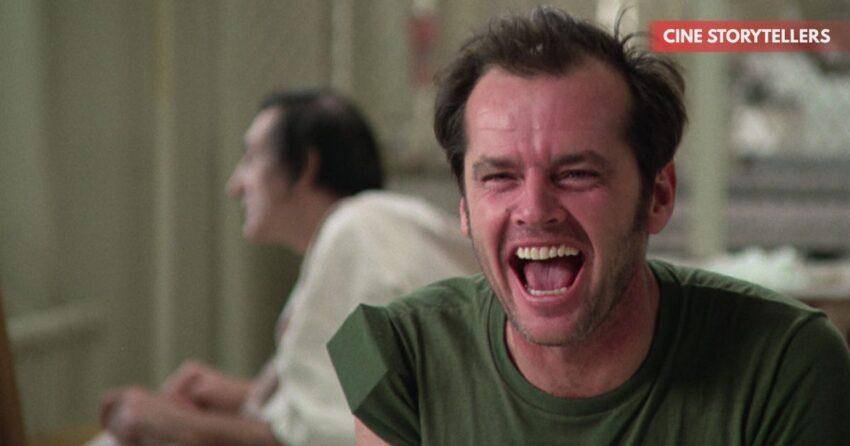
Even decades after its release, One Flew Over the Cuckoo’s Nest (1975) continues to leave viewers unsettled while also captivating them with its powerful storytelling and complex characters. Directed by Milos Forman and starring Jack Nicholson and Louise Fletcher, the film examines authority, rebellion, and the human spirit within the walls of a psychiatric ward. Its exploration of mental health, power dynamics, and personal freedom ensures it remains a cinematic milestone. In this article, we dive into why the movie is still considered disturbing yet brilliant, its lasting impact on film and culture, and the themes that continue to resonate today.
Why One Flew Over the Cuckoo’s Nest Still Disturbs
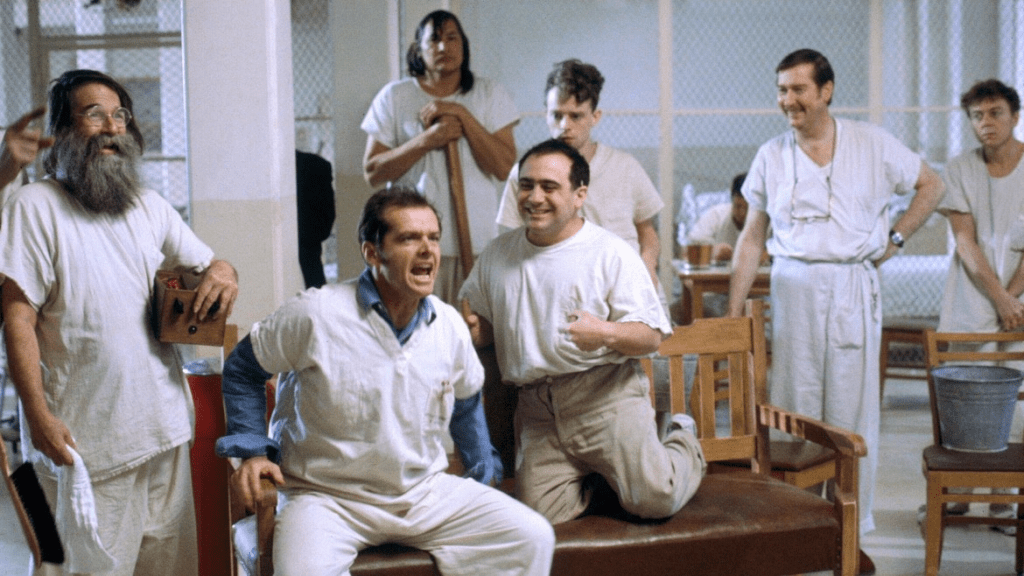
From the first scene, the film establishes a world where rules dominate and individuality is suppressed. Randle McMurphy, a defiant small-time criminal, enters a psychiatric hospital seeking an easier sentence but quickly becomes a symbol of rebellion against the rigid, authoritarian regime of Nurse Ratched.
What makes the film disturbing is not gore or jump scares—it’s psychological. Viewers witness the slow erosion of personal freedom and the lengths institutions go to maintain control. The tension is constant, whether it’s in McMurphy’s playful defiance or the silent, calculated cruelty of Ratched’s authority. It’s a reminder that sometimes the scariest battles are the ones fought quietly, in the human psyche.
Also Read : Mariah Carey Celebrates Halloween in Japan with Her Twins – Adorable Family Moment
The Characters That Make It Unforgettable
McMurphy: The Irresistible Rebel
Jack Nicholson’s McMurphy is charismatic, messy, and rebellious. He isn’t just a troublemaker—he’s a mirror reflecting the suppressed desires and fears of the other patients. His humor, courage, and refusal to conform make him magnetic, and audiences find themselves rooting for him even as the consequences of his defiance escalate.
Nurse Ratched: Quiet Terror
Louise Fletcher’s Nurse Ratched is terrifying precisely because she doesn’t need to yell to dominate. Calm, polite, and almost eerily composed, she embodies the cold efficiency of institutional power. Her control is psychological, making her one of the most chilling antagonists in film history.
The Patients: Faces of Humanity
Beyond the central conflict, the other patients in the ward—from Chief Bromden’s quiet strength to Billy Bibbit’s vulnerability—bring humanity, emotion, and depth to the story. McMurphy’s influence helps reveal their individuality and inner lives, highlighting the stakes of losing personal agency.
Themes That Remain Relevant
Rebellion vs. Conformity
At its heart, the film explores the tension between individual freedom and oppressive authority. McMurphy’s actions remind viewers that pushing back against systems, even imperfectly, can inspire change and awaken others.
Mental Health and Empathy
One Flew Over the Cuckoo’s Nest treats mental health with nuance. The patients aren’t caricatures; they’re individuals with fears, dreams, and histories. By humanizing them, the film encourages empathy while confronting the discomfort society often feels about mental illness.
Freedom, Control, and the Human Spirit
The story’s emotional impact comes from the stakes it sets. Freedom isn’t abstract—it’s life-changing, and the cost of losing it is devastating. McMurphy’s journey and ultimate fate show how one person’s spirit can ripple through a community, inspiring others even in the face of oppression.
Disturbing Scenes That Leave an Impression
Several moments in the film are particularly haunting, not because of violence, but because of their emotional weight:
- Electroconvulsive Therapy (ECT): McMurphy’s forced shock therapy is both horrifying and tragic, highlighting the consequences of defying institutional authority.
- The Unauthorized Party: A seemingly joyful event spirals into tension, revealing the fragile balance between freedom and control.
- McMurphy’s Fate: The film’s ending is emotionally wrenching, illustrating the ultimate cost of rebellion within a rigid system.
These sequences work together to create a film that is immersive, emotionally intense, and unforgettable.
Cinematic Craft That Elevates the Story
Milos Forman’s direction, combined with exceptional performances and meticulous production design, transforms the story from a simple narrative to a powerful cinematic experience.
- Direction: Forman balances realism with symbolism, using authentic hospital settings to enhance immersion.
- Cinematography: Careful framing, lighting contrasts, and camera movement amplify the tension and emotional weight.
- Score and Sound Design: Jack Nitzsche’s minimalistic score and the use of ambient sounds create a haunting atmosphere that stays with viewers long after the film ends.
Together, these elements make the film not just compelling but also a masterclass in cinematic storytelling.
Also Read : Mariah Carey Stuns at 2025 BET Awards with Golden Stage Look and Iconic Comeback
Cultural Impact and Legacy
One Flew Over the Cuckoo’s Nest swept the 1976 Academy Awards, winning five major Oscars, including Best Picture, Best Actor, and Best Actress. Its influence extends beyond accolades; it changed how mental health, authority, and rebellion were depicted in cinema.
Even in 2025, the film remains culturally relevant. Discussions around institutional authority, autonomy, and the human spirit continue to reference its themes. Mental health professionals, educators, and filmmakers still use it as a touchstone for understanding both storytelling and human psychology.
Why Viewers Should Watch It Today
Despite its disturbing nature, the film offers lessons in empathy, resilience, and the consequences of standing up for oneself. It reminds audiences that courage often comes at a cost, and that even small acts of rebellion can inspire change in others.
Moreover, its artistry—strong performances, thoughtful direction, and compelling storytelling—ensures that it’s more than just a film about a psychiatric ward. It’s a cinematic experience that resonates across generations.
FAQs
What is One Flew Over the Cuckoo’s Nest about?
It follows Randle McMurphy as he challenges the strict rules of a psychiatric hospital, exploring themes of freedom, authority, and humanity.
Why is it considered disturbing?
The film portrays institutional control, psychological manipulation, and the consequences of defying authority in a realistic, emotionally intense way.
Who directed the movie?
Milos Forman, known for his humanistic storytelling and precise direction.
Did the film win major awards?
Yes, it won five major Academy Awards, including Best Picture, Best Actor, Best Actress, Best Director, and Best Adapted Screenplay.
Is it still relevant today?
Absolutely. Its exploration of freedom, authority, and mental health continues to resonate with modern audiences and cultural discussions.
Join our WhatsApp channel for more updates and information about celebrities and entertainment

I’m Atul Kumar, founder of Cine Storytellers and an entertainment creator with 5+ years of experience. I cover films, celebrities, music, and OTT content with a focus on accurate, ethical, and engaging storytelling. My goal is to bring readers trustworthy entertainment news that informs, inspires, and goes beyond gossip.
Discover more from Cine Storytellers
Subscribe to get the latest posts sent to your email.