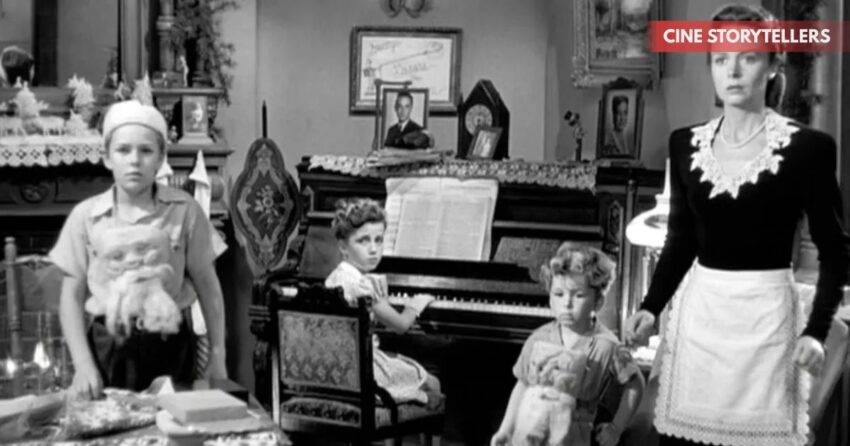
For decades, It’s a Wonderful Life has been cherished as a heartwarming story about George Bailey discovering the value of his life. But in recent years, another conversation has taken center stage: the portrayal of Mary Bailey. Some viewers argue the film treats Mary unfairly by depicting her unmarried alternate life as bleak. Others say she’s misunderstood entirely. When you look closely, Mary isn’t a cautionary tale — she’s the emotional backbone of the film, a quietly powerful woman whose strength holds Bedford Falls together. This article reexamines Mary Bailey’s character, her so-called “sad” alternate life, and why she deserves recognition as one of classic Hollywood’s most underrated heroines.
Why Mary Bailey Has Become the Center of a Modern Debate
Every holiday season, It’s a Wonderful Life returns to screens — and so does the debate about Mary Bailey. Modern audiences, viewing the film through a contemporary lens, often pause at the alternate-reality sequence where Mary appears as a single librarian.
To some, the implication feels uncomfortable: is the movie suggesting a woman’s life is incomplete without marriage? That question has sparked essays, social media threads, and renewed analysis of a character long treated as a supporting role.
But focusing only on that moment misses the larger truth of who Mary Bailey really is.
Mary Bailey Is Not Defined by George — Even If the Story Is
It’s easy to assume Mary exists solely to support George’s journey. After all, the film is structured around his crisis and redemption. But Mary’s presence goes far beyond emotional encouragement.
From childhood, Mary is decisive, confident, and self-aware. She knows what she wants and isn’t afraid to say it — a rarity for female characters in 1940s cinema. She chooses George, but that choice comes from clarity, not dependency.
Mary doesn’t disappear into George’s life. She actively builds it with him.
The Alternate Reality Scene Is About George — Not Mary
One of the most misunderstood aspects of It’s a Wonderful Life is the alternate timeline shown by Clarence. That sequence exists to answer one question: What if George Bailey had never been born?
Every element of that world is designed to shock George — not provide a realistic psychological profile of Mary without him. Her appearance as a lonely librarian isn’t a moral judgment on single women. It’s a storytelling shortcut meant to show how deeply George’s presence shaped others’ lives.
The scene is emotional shorthand, not a manifesto.
Also Read : Natasha Bure Marries Bradley Steven Perry: A Romantic Garden Wedding
Being a Librarian Wasn’t a “Failure” — It Was a Symbol of the Era
In 1946, audiences understood certain visual cues instantly. A single woman, conservative clothing, quiet demeanor — these were cinematic symbols used to communicate loneliness or hardship quickly.
That doesn’t mean Mary’s alternate life was objectively sad. It means Hollywood lacked the language to portray female independence positively at the time.
Modern viewers are right to question the framing — but wrong to assume the film condemns Mary herself.
Mary Bailey’s Strength Is Quiet — But Constant
Mary doesn’t fight villains or deliver grand speeches. Her power is practical and emotional.
She keeps the Bailey family running when George is overwhelmed andorganizes the community during the bank crisis. She opens her home, her wallet, and her heart without hesitation.
In many ways, Mary is the stabilizing force that allows George to survive his sacrifices.
The Bank Run Scene Reveals Who Mary Really Is
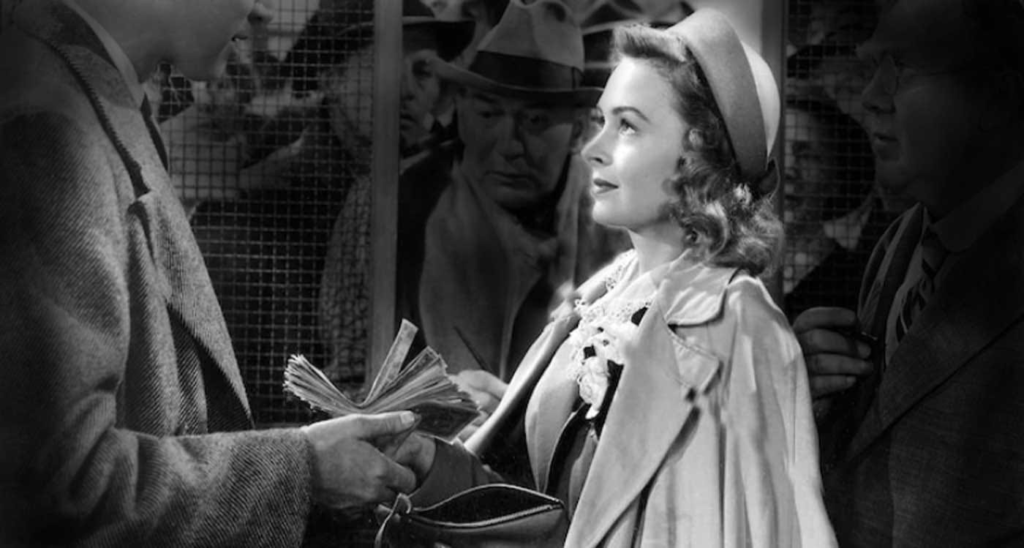
One of the most revealing moments in the film comes during the bank run. While George struggles to keep the Building and Loan afloat, Mary calmly takes control behind the scenes.
She reassures frightened depositors. She uses their honeymoon savings without regret.
This isn’t the act of a passive housewife. It’s leadership.
Mary Chooses Domestic Life — It Doesn’t Choose Her
A crucial detail often overlooked: Mary wanted to travel, explore, and see the world — just like George. She gives those dreams up not because she’s forced to, but because she chooses a different kind of fulfillment.
That choice doesn’t make her smaller. It makes her human.
Mary’s life is shaped by love, community, and purpose — values the film consistently celebrates.
Why Modern Audiences Misread Mary’s Story
Today, we expect films to explicitly validate independence, ambition, and autonomy — especially for female characters. It’s a Wonderful Life communicates those ideas subtly, sometimes imperfectly.
Mary’s independence isn’t shown through career triumphs or rebellion. It’s shown through emotional intelligence, moral clarity, and decisive action.
The film trusts the audience to notice — something modern storytelling rarely does.
Also Read : Bindi Irwin’s Complete Transformation: From Wildlife Princess to Global Icon
Donna Reed’s Performance Adds Depth Beyond the Script
Donna Reed brings warmth, resolve, and intelligence to Mary Bailey that elevate the character beyond the page. Her expressions often say more than dialogue.
Reed herself later spoke about how much she admired Mary’s strength — a reminder that the performance wasn’t accidental or naive.
Mary isn’t fragile. She’s composed.
Mary Bailey Is the Emotional Center of Bedford Falls
Remove Mary from the story, and George collapses. The town collapses too.
Mary connects people. She remembers what matters. She preserves kindness when the world feels cruel.
If George Bailey learns that “no man is a failure who has friends,” Mary is the reason those friendships exist.
Why Mary’s Story Feels Even More Relevant Today
In an era obsessed with hustle, visibility, and external success, Mary Bailey represents a quieter form of impact.
She doesn’t chase legacy — she lives it.
Her story resonates today because it challenges the idea that worth must be loud or ambitious to be real.
The Real Lesson of Mary Bailey’s Life
Mary’s life isn’t a warning about what women lose without marriage. It’s a reminder of what anyone can build with compassion, intention, and love.
She isn’t tragic in the alternate timeline — she’s simply shown through the limited lens of a different era.
The tragedy would be failing to see her strength at all.
Also Read : Nobody 2 (2025) – Trailer, Tickets, Cast, Plot, Release Date
FAQs
Was Mary Bailey’s alternate life meant to be sad?
The scene is designed to affect George emotionally, not to judge Mary’s worth or choices.
Is It’s a Wonderful Life sexist toward Mary?
The film reflects 1940s social norms, but Mary herself is portrayed as intelligent, capable, and emotionally strong.
Why is Mary Bailey considered underrated?
Because her influence is subtle, consistent, and often overshadowed by George’s more dramatic arc.
Was being a librarian portrayed negatively in the film?
It was used as a visual shorthand in classic cinema, not a literal condemnation of the profession.
Is Mary Bailey the true hero of the film?
Many viewers believe so — her actions and emotional leadership make George’s redemption possible.
Join our WhatsApp channel for more updates and information about celebrities and entertainment.

I’m Atul Kumar, founder of Cine Storytellers and an entertainment creator with 5+ years of experience. I cover films, celebrities, music, and OTT content with a focus on accurate, ethical, and engaging storytelling. My goal is to bring readers trustworthy entertainment news that informs, inspires, and goes beyond gossip.
Discover more from Cine Storytellers
Subscribe to get the latest posts sent to your email.