
Britney Spears has made one of the most significant business moves of her career by selling her music catalog in a landmark deal that’s sending ripples through the music industry. The agreement, finalized quietly and revealed in early 2026, places the ownership of her songwriting and publishing interests into new hands while sparking fresh conversations about artist autonomy, long-term wealth, and legacy in the streaming era. This article breaks down exactly what Britney sold, why now was the right moment, how the deal fits into her post-conservatorship life, and what it means for fans, the industry, and Britney herself.
Britney Spears and the Catalog Sale That Everyone Is Talking About
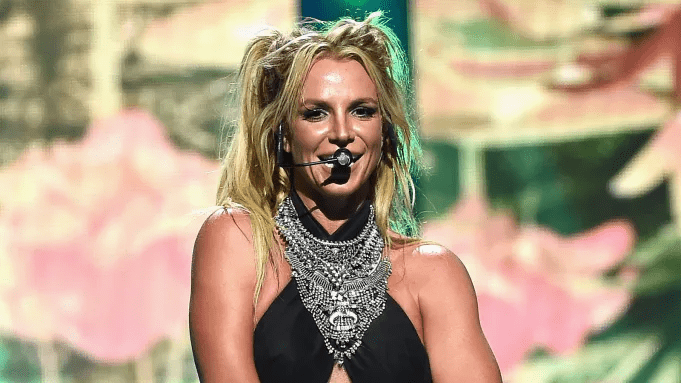
For more than two decades, Britney Spears has been one of the most recognizable names in pop music. From her late-1990s breakout to her era-defining dominance in the 2000s, her songs didn’t just top charts — they shaped pop culture.
So when news emerged that Britney had sold her music catalog, it immediately raised eyebrows. This wasn’t just another celebrity business transaction. It was a defining moment for an artist whose career has long been tied to questions of control, ownership, and freedom.
Unlike impulsive headlines might suggest, this move wasn’t about stepping away from music entirely. It was about strategy, stability, and reclaiming agency in a business that hasn’t always treated her kindly.
What Exactly Did Britney Spears Sell?
Understanding this deal starts with understanding what a music catalog actually is.
In Britney’s case, she sold her publishing and ownership interests in her catalog — meaning the rights connected to the songwriting and the long-term revenue those songs generate. This includes income from:
- Streaming platforms
- Radio airplay
- Film, TV, and advertising licenses
- Covers and sampled uses
Her catalog includes many of the songs that defined her career, such as “…Baby One More Time,” “Oops!… I Did It Again,” “Toxic,” “Gimme More,” and “Circus.”
It’s important to clarify that selling a catalog doesn’t erase an artist’s legacy or remove their name from the music. The songs remain Britney’s in every cultural sense — they just generate revenue for a different owner.
Publishing Rights vs. Master Recordings
One area that often causes confusion is the difference between publishing rights and masters.
- Publishing rights relate to the composition — lyrics, melody, and songwriting credit.
- Master recordings are the original studio recordings of the songs.
In Britney’s case, industry reporting indicates that while she sold her publishing and ownership stake, major record labels still retain control over the master recordings. That’s a common setup, especially for artists who debuted in the late 1990s and early 2000s.
This distinction matters because it explains why her music will continue to appear on streaming services exactly as before.
How Much Was the Deal Worth?
While the exact figure hasn’t been officially confirmed, multiple industry insiders have described the deal as being in the nine-figure range, with estimates hovering around $200 million.
That valuation places Britney among elite company. Over the past few years, artists like Bob Dylan, Bruce Springsteen, Justin Bieber, and Shakira have also sold their catalogs for similar sums.
The reason these deals command such high prices is simple: hit songs are reliable money-makers. Britney’s catalog continues to perform strongly across streaming platforms and licensing markets, making it an attractive long-term investment.
Why Britney Chose to Sell Now
Timing is everything — and for Britney Spears, the timing of this sale is deeply meaningful.
Post-Conservatorship Control
For years, Britney’s financial and professional decisions were not fully her own. Since the end of her conservatorship in 2021, she has had the freedom to reassess her relationship with the music business on her terms.
Selling her catalog now represents a moment of autonomy — choosing stability and control rather than being locked into industry expectations.
A Changing Music Industry
Streaming has transformed music into a long-tail business, where older hits can generate revenue indefinitely. For many artists, cashing out now makes sense financially, especially when valuations are high.
Personal Priorities
Britney has been open about stepping back from public life and focusing on personal healing, travel, and privacy. A catalog sale provides financial security without requiring constant engagement in a demanding industry.
What This Means for Britney’s Career Going Forward
One of the biggest misconceptions about catalog sales is that they signal retirement. That’s not necessarily true.
Britney can still:
- Release new music
- Collaborate with other artists
- Approve certain uses of her image and brand (depending on contract terms)
What she no longer needs to do is rely on her past work for income. That financial independence gives her freedom — whether she chooses to make music again or not.
Interestingly, the sale also reduces pressure. Any future creative work can happen without the weight of commercial expectations.
How Fans Are Reacting
Fan response has been mixed — and emotional.
Support and Relief
Many fans see the deal as empowering. After years of watching others profit from her work, they’re relieved to see Britney benefit directly in a way that supports her long-term wellbeing.
Concerns About Legacy
Some worry that corporate ownership could lead to over-licensing — hearing Britney’s music in ads or projects that don’t align with her image.
That concern isn’t unfounded, but companies that buy catalogs typically aim to protect long-term value, which often means preserving an artist’s reputation rather than exploiting it.
Also Read : Emmerdale Jacob Bullying Storyline Explained: Familiar Face Returns
Why Music Catalogs Are the Hottest Asset in Entertainment
Britney’s deal is part of a much bigger trend.
Music catalogs have become one of the most desirable assets in entertainment because they:
- Generate consistent revenue
- Are relatively recession-proof
- Perform well globally
- Benefit from nostalgia and cultural cycles
For investors, buying a catalog is like buying real estate with emotional value attached. For artists, it’s a chance to convert decades of work into immediate security.
Britney’s catalog, packed with globally recognizable hits, sits at the top tier of that market.
The Bigger Picture: Artists Rewriting the Rules
Britney Spears selling her catalog isn’t just about money. It’s about power shifting back to artists.
For decades, musicians — especially young pop stars — signed deals that favored labels and publishers. Now, many of those artists are reclaiming value later in life, often on their own terms.
In Britney’s case, the symbolism runs deeper. This is an artist whose voice, image, and finances were controlled for years. Choosing when and how to sell her work is a statement of independence.
What Happens to Britney’s Music Now?
From a listener’s perspective, very little changes.
- Her songs remain available on streaming platforms
- Radio play continues as normal
- Movies, shows, and ads may license her music more frequently
Behind the scenes, the new catalog owner will actively manage and pitch her songs for licensing opportunities, ensuring they remain culturally relevant for years to come.
That could mean Britney’s music reaches new audiences who weren’t even born during her peak years.
Why This Deal Will Be Studied for Years
This catalog sale will likely become a case study in:
- Artist autonomy
- Post-conservatorship financial independence
- The evolving value of pop music
- How legacy artists navigate modern markets
It’s not just a business move — it’s a cultural moment.
Also Read : Victoria Beckham Opens Up About Eating Disorder and Body Image Struggles
FAQs
Did Britney Spears sell her entire music catalog?
She sold her ownership and publishing interests, not necessarily the master recordings, which are typically held by record labels.
How much money did Britney make from the deal?
While not officially confirmed, industry estimates place the deal around $200 million.
Does this mean Britney is retiring from music?
No. Selling a catalog does not prevent her from releasing new music or collaborating in the future.
Who controls Britney’s songs now?
A music publishing company now controls the financial rights tied to her catalog, while record labels retain master recordings.
Will fans notice any changes?
For listeners, nothing changes immediately. Her music remains widely available and recognizable as ever.
Join our WhatsApp channel for more updates and information about celebrities and entertainment.

I’m Atul Kumar, founder of Cine Storytellers and an entertainment creator with 5+ years of experience. I cover films, celebrities, music, and OTT content with a focus on accurate, ethical, and engaging storytelling. My goal is to bring readers trustworthy entertainment news that informs, inspires, and goes beyond gossip.
Discover more from Cine Storytellers
Subscribe to get the latest posts sent to your email.