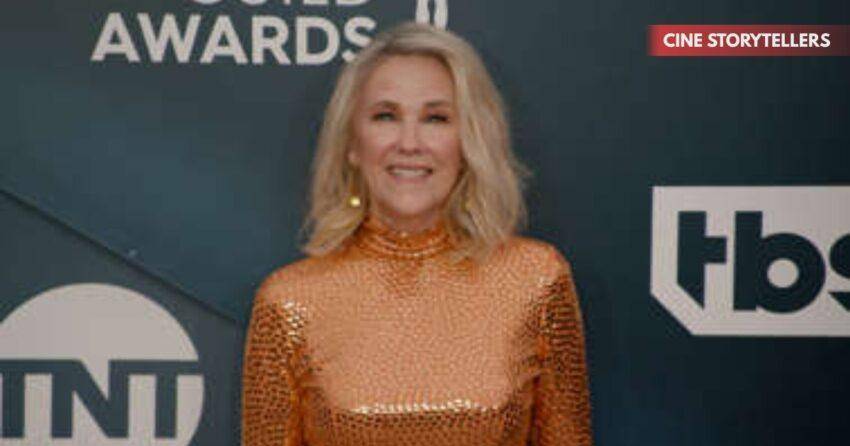
Camilla Carr, a name revered by cult horror fans and classic television audiences alike, has passed away at the age of 83. Best known for her haunting performances in 1970s psychological horror films and a powerful guest appearance on Designing Women, Carr built a career defined by bold choices and emotional depth. From drive-in movie classics to mainstream TV, her work continues to influence genre cinema decades later. This article takes a deep look at her life, career, personal journey, and the legacy she leaves behind.
Camilla Carr Dies at 83, Leaving Cult Horror Fans in Mourning
Camilla Carr, the actress celebrated for her fearless performances in cult horror films and thought-provoking television roles, has died at the age of 83. Her passing marks the quiet end of a career that never chased fame but instead carved out something far more enduring—respect.
Carr passed away on February 4, 2026, following health complications in her later years. While she may not have been a mainstream superstar, her presence looms large in genre cinema, where her performances remain unsettling, memorable, and widely discussed even decades later.
Who Was Camilla Carr?
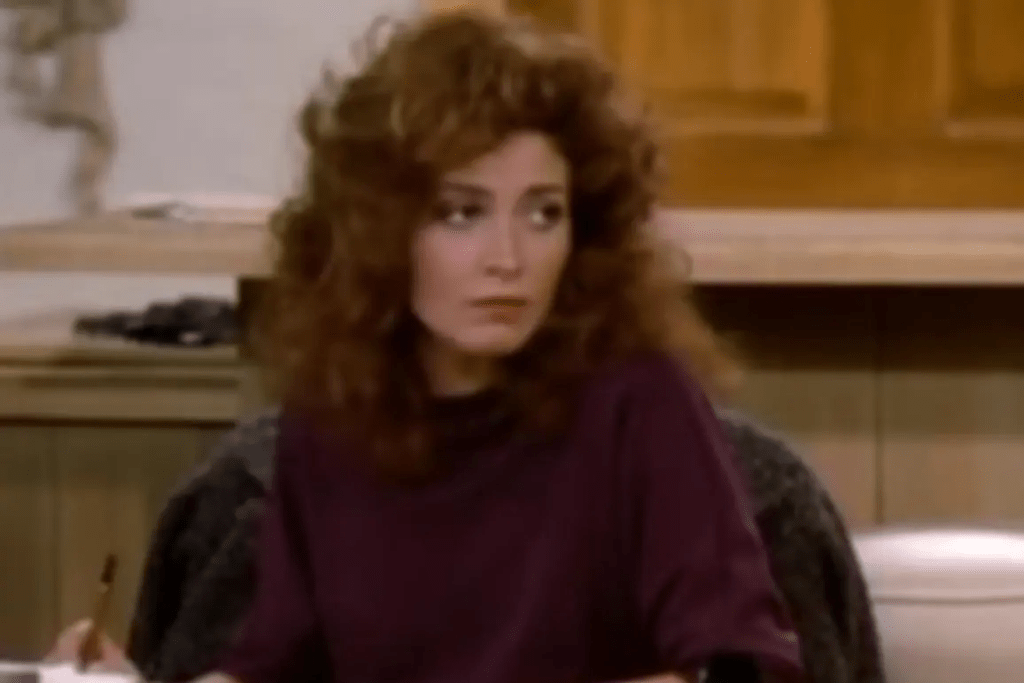
Camilla Carr was an American actress whose career spanned film, television, theater, and even literature. She emerged in the late 1960s and found her niche in 1970s low-budget horror—films that relied not on special effects, but on atmosphere, psychology, and raw performance.
What set Carr apart was her willingness to play uncomfortable characters. She didn’t aim to be likable. She aimed to be believable—and that made all the difference.
Early Life and Path to Acting
Born in 1942 in Texas, Camilla Carr grew up far removed from Hollywood glamour. Her early years were shaped by Southern sensibilities, storytelling traditions, and a curiosity about human behavior—traits that later showed up clearly in her performances.
She studied acting at university and began her career in theater, where she developed a strong foundation in character work. Stage acting taught Carr discipline, emotional control, and the courage to sit with silence—skills that would become her trademarks on screen.
Breaking Into Cult Horror Cinema
Carr’s career took a defining turn in the early 1970s when she began working with independent filmmakers specializing in psychological and exploitation horror. These films weren’t designed for prestige—but they offered creative freedom.
At a time when many actresses avoided horror roles, Carr leaned into them. She understood that horror allowed women to explore rage, fear, trauma, and madness in ways other genres rarely permitted.
Also Read : ‘The ‘Burbs’ Review: Keke Palmer Anchors a Clever, Genre-Bending Peacock Reboot
“Don’t Look in the Basement” and Early Recognition
One of Carr’s earliest and most talked-about roles came in Don’t Look in the Basement (1973). The film, set inside a mental institution, relied heavily on performances rather than plot twists.
Carr portrayed a deeply disturbed patient with chilling realism. Her performance was subtle but disturbing—never exaggerated, never cartoonish. Over time, the film became a cult classic, and Carr’s role emerged as one of its most unsettling elements.
“Poor White Trash Part II” and Gritty Storytelling
In Poor White Trash Part II (1974), also known as Scum of the Earth, Carr stepped into the world of rural exploitation cinema. The film was rough, raw, and controversial—but Carr’s performance added layers to a genre often dismissed as sensational.
She played a morally complex character navigating manipulation, poverty, and survival. Even in a film filled with extremes, Carr found emotional truth.
“Keep My Grave Open”: A Cult Horror Masterpiece
Carr’s most iconic role arrived in 1977 with Keep My Grave Open.
In the film, she portrayed a woman suffering from a fractured psyche, haunted by trauma and convinced she is being stalked by a killer who may—or may not—be real. The role demanded emotional intensity, vulnerability, and restraint.
Today, Keep My Grave Open is considered a psychological horror gem, and Carr’s performance is frequently cited as the reason the film still resonates. She didn’t play madness as spectacle—she played it as pain.
Why Camilla Carr’s Horror Roles Still Matter
What makes Carr’s horror work endure is how modern it feels.
Her characters weren’t monsters—they were people unraveling. Long before “elevated horror” became a buzzword, Carr was already doing the work: grounding terror in human psychology.
For horror fans and scholars alike, her performances remain case studies in how minimalism can be more frightening than excess.
Transitioning to Television and Wider Audiences
In the 1980s, Carr began appearing more frequently on television, bringing her intensity to a broader audience.
She landed a recurring role on the soap opera Another World, appearing in dozens of episodes. Soap operas demand speed, emotional flexibility, and stamina—Carr excelled.
She also made guest appearances on popular shows such as One Day at a Time and Falcon Crest, demonstrating her ability to adapt to different tones and formats.
The “Designing Women” Episode That Sparked Conversation
One of Carr’s most memorable TV roles came in 1987 on Designing Women.
In a controversial episode addressing the AIDS crisis, Carr played a character whose views were deliberately uncomfortable. The role wasn’t meant to be sympathetic—it was meant to be honest.
Carr later acknowledged that the character was flawed and even cruel, but she believed the story needed those perspectives to confront stigma head-on. The episode remains one of the show’s most discussed moments, and Carr’s performance was central to its impact.
Also Read : Brad Arnold Death: 3 Doors Down Lead Singer Dies at 47 After Cancer Battle
A Career Defined by Courage, Not Comfort
Camilla Carr never chased easy roles.
She chose parts that asked difficult questions, explored moral gray areas, and required emotional risk. In an industry that often sidelines women as they age, Carr continued working—quietly but purposefully.
Even when she stepped away from acting for long periods, her earlier work never faded from memory.
A Brief Return to Horror Late in Life
After decades away from the screen, Carr made a brief return in 2015 with Don’t Look in the Basement 2. The project reunited her with the legacy of her early career and introduced her to a new generation of horror fans.
It wasn’t about relaunching a career. It was about closure—and celebration.
Life Beyond Acting: Writing and Personal Passions
Carr was also a writer. In 1989, she published a comic novel that drew from her experiences in the entertainment industry, blending humor, self-awareness, and sharp observation.
She lived much of her life away from the spotlight, valuing privacy, creativity, and independence. Those who knew her described her as intelligent, wry, and deeply thoughtful.
Health Challenges and Final Years
In her later years, Carr faced significant health challenges, including Alzheimer’s disease. She passed away peacefully at the age of 83, survived by her family and remembered fondly by fans around the world.
Her death may not have dominated headlines—but within the horror community, it marked the loss of a true original.
Why Camilla Carr’s Legacy Endures
Camilla Carr represents a kind of acting that feels increasingly rare.
She wasn’t interested in fame for its own sake. She was interested in truth—no matter how unsettling. Her performances invited audiences to sit with discomfort, ambiguity, and emotion.
In doing so, she helped elevate horror from cheap thrills to meaningful storytelling.
Also Read : Don Henley Extended Interview: Eagles Legend Says 2026 May Be the End
FAQs
Who was Camilla Carr?
Camilla Carr was an American actress best known for her roles in 1970s cult horror films and television series like Designing Women and Another World.
How old was Camilla Carr when she died?
She was 83 years old at the time of her death.
What are Camilla Carr’s most famous films?
Her best-known films include Don’t Look in the Basement, Poor White Trash Part II, and Keep My Grave Open.
Did Camilla Carr appear on television?
Yes, she appeared on several TV shows, including Designing Women, Another World, Falcon Crest, and One Day at a Time.
Why is Camilla Carr considered a cult horror icon?
She brought psychological depth and realism to low-budget horror films, creating performances that remain influential and widely discussed.
Did Camilla Carr work outside of acting?
Yes, she was also a writer and published a novel inspired by her experiences in the entertainment industry.
Join our WhatsApp channel for more updates and information about celebrities and entertainment.

I’m Atul Kumar, founder of Cine Storytellers and an entertainment creator with 5+ years of experience. I cover films, celebrities, music, and OTT content with a focus on accurate, ethical, and engaging storytelling. My goal is to bring readers trustworthy entertainment news that informs, inspires, and goes beyond gossip.
Discover more from Cine Storytellers
Subscribe to get the latest posts sent to your email.