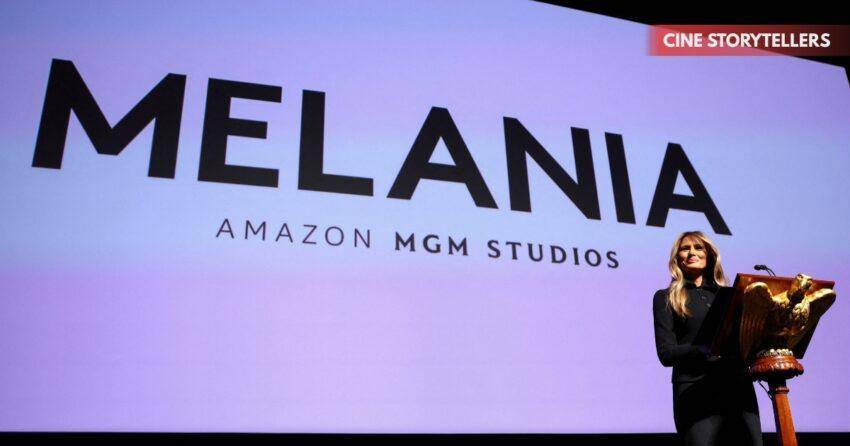
The documentary Melania arrived with enormous expectations, massive financial backing, and immediate controversy. Backed by Amazon MGM Studios, the film’s theatrical release sparked debate not only over its subject matter but also over whether its box office performance justified one of the most expensive documentary investments in recent history. While critics largely dismissed the film, audiences turned out in numbers that surprised analysts. This article breaks down the real story behind the box office, Amazon’s strategy, the political undertones, and why this release is less about ticket sales and more about influence, positioning, and the future of media.
What the Melania Documentary Is Really About
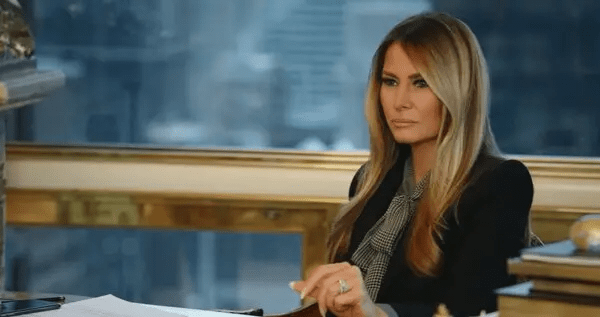
At its core, Melania is positioned as a behind-the-scenes portrait of Melania Trump during a defining political moment. Rather than functioning as a traditional investigative documentary, the film leans toward personal access, image control, and curated storytelling.
That creative choice immediately shaped how the film was received. Supporters saw it as a rare look into a famously private public figure. Critics viewed it as overly polished and lacking critical distance.
But regardless of perspective, the film succeeded in doing one thing extremely well: commanding attention.
Why Amazon Went All-In on This Project
Amazon’s involvement is what transformed Melania from a niche documentary into a major business story.
The company didn’t just acquire distribution rights — it committed an unusually large budget for a non-fiction film, signaling that the project had value beyond ticket sales. For Amazon, this was never just about theaters.
The real motivations include:
- Expanding Prime Video’s high-profile exclusive content
- Demonstrating cultural and political reach
- Competing with other tech giants investing in prestige media
- Capturing audiences that don’t traditionally engage with streaming documentaries
In other words, Melania was a strategic play, not a box-office-dependent gamble.
The Opening Weekend Numbers: Better Than Expected, Worse Than Headlines Suggest
The film’s opening weekend produced numbers that startled observers — especially for a documentary.
Compared to typical non-fiction releases, the debut was undeniably strong. Many documentaries struggle to break into mainstream theaters at all, let alone attract nationwide audiences.
However, the reaction to those numbers depends entirely on context.
For a standard documentary, the opening would be considered a success. For a project with a massive acquisition price and extensive marketing spend, it becomes more complicated.
The takeaway: Melania didn’t flop — but it also didn’t justify its investment through ticket sales alone.
Why Box Office Isn’t the Real Scorecard Here
Judging Melania purely on theatrical revenue misses the bigger picture.
Amazon doesn’t rely on box office returns the way traditional studios do. The company measures success across:
- Subscriber growth
- Platform engagement
- Media dominance
- Political and cultural relevance
A single weekend of theatrical earnings is just one data point in a much larger ecosystem.
For Amazon, even controversy has value — because attention converts to clicks, streams, and subscriptions.
Also Read : Cardi B Took Over SNL’s Milestone Night – And Turned the 1,000th Episode
The Critics vs. the Audience Divide
One of the most striking aspects of Melania’s release was the sharp contrast between critical reviews and audience response.
Critics overwhelmingly criticized the film’s lack of journalistic rigor and depth. Meanwhile, many audience members reported satisfaction, emotional connection, and appreciation for the access it provided.
This divide reflects a broader shift in media consumption:
- Critics evaluate craft, balance, and accountability
- Audiences often prioritize familiarity, affirmation, and storytelling tone
In today’s fragmented media landscape, pleasing one group no longer guarantees approval from the other.
Political Identity Played a Major Role in Turnout
There’s no ignoring the political dimension of Melania’s performance.
Audience turnout varied significantly by region, reflecting ideological alignment more than universal curiosity. For some viewers, attending the film was an act of support. For others, avoiding it was an act of protest.
This polarization didn’t hurt turnout — it fueled it.
In many ways, Melania functioned less like a documentary and more like a cultural rally point.
Why Controversy Became Part of the Marketing
Unlike traditional films that suffer from controversy, Melania thrived on it.
Debates over funding, intent, and bias kept the film in headlines long after its release. Each criticism generated discussion, which in turn generated awareness.
Amazon didn’t need unanimous praise. It needed visibility.
And it got exactly that.
The Director’s Involvement Added Another Layer
The choice of director intensified scrutiny around the film. Past controversies associated with the filmmaker became part of the conversation, adding ethical and reputational questions to the project.
For some, this reinforced skepticism about the film’s credibility. For others, it didn’t matter — the subject alone was enough to drive interest.
Either way, the added controversy amplified discussion rather than diminishing it.
Streaming Will Decide the Film’s Long-Term Impact
Theatrical release was only the opening act.
The real test for Melania will come when it lands on Amazon’s streaming platform. That’s where viewership can scale exponentially, and where the investment makes more financial sense.
Streaming metrics such as:
- Completion rates
- Repeat views
- Subscriber retention
- Algorithmic promotion
will ultimately determine whether the project is considered a success internally.
Box office buzz is temporary. Streaming data is permanent.
Also Read : Jeff Tweedy Says Music Saved Him – And His Story Explains Why It Still Matters So Much
What This Means for the Future of Political Documentaries
The Melania experiment may change how political documentaries are funded and distributed.
Key lessons include:
- Star power and controversy can outperform critical acclaim
- Corporate backing reshapes expectations for non-fiction films
- Political identity can drive attendance as much as storytelling quality
- Streaming platforms are redefining success metrics
Future documentaries may prioritize access and audience alignment over neutrality — a trend that will continue to spark debate.
Why Amazon Can Afford to Lose Money on Paper
Even if Melania never recoups its full investment theatrically, Amazon loses very little in practical terms.
The company operates on scale. A single high-profile documentary can:
- Strengthen Prime Video’s content library
- Generate massive earned media
- Signal influence in political and cultural spaces
For Amazon, relevance is return on investment.
The Bigger Question: Should Corporations Fund Political Narratives?
The Melania documentary reignited a broader conversation about corporate involvement in political storytelling.
When tech giants fund documentaries about public figures, questions arise about:
- Narrative control
- Soft power
- Cultural influence
- Ethical responsibility
Whether viewers support or oppose the film, its existence forces this conversation into the open.
Final Thoughts: Why Melania Is Bigger Than Its Box Office
The Melania documentary isn’t just a film — it’s a case study.
It shows how modern media success isn’t defined by ticket sales alone. Influence, attention, and platform dominance matter just as much.
Amazon didn’t buy a documentary. It bought a moment.
And in today’s entertainment economy, moments are currency.
Also Read : Connor Storrie to Host Saturday Night Live: Why This Moment Matters More Than You Think
FAQs
How did the Melania documentary perform at the box office?
It delivered a stronger-than-expected opening for a documentary, though not enough to cover its full investment through theaters alone.
Why did Amazon invest so much in this film?
The investment was strategic, aimed at streaming value, cultural relevance, and platform visibility rather than box office profit alone.
Why did critics dislike the documentary?
Many felt it lacked critical depth and leaned toward image management rather than balanced storytelling.
Will the documentary be successful on streaming?
Streaming performance will likely determine the project’s long-term value more than theatrical numbers.
What does this mean for future documentaries?
It suggests that controversy, identity, and platform strategy may increasingly shape which documentaries get major funding.
Join our WhatsApp channel for more updates and information about celebrities and entertainment.

I’m Atul Kumar, founder of Cine Storytellers and an entertainment creator with 5+ years of experience. I cover films, celebrities, music, and OTT content with a focus on accurate, ethical, and engaging storytelling. My goal is to bring readers trustworthy entertainment news that informs, inspires, and goes beyond gossip.
Discover more from Cine Storytellers
Subscribe to get the latest posts sent to your email.