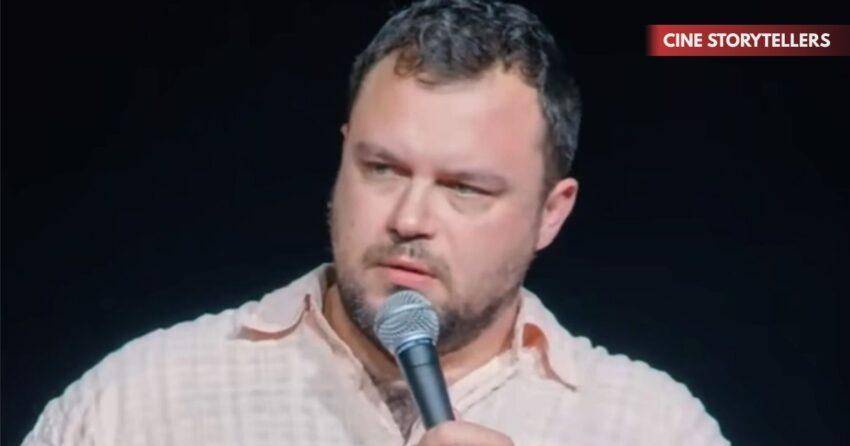
Comedian Ben Bankas had six sold-out shows in St. Paul, Minnesota, cancelled after videos of him mocking the death of Renee Good went viral and triggered intense public backlash. The club cited safety and community concerns in pulling the shows, while Bankas defended his material as comedy and free expression. The incident has reignited debates about the boundaries of humor, respect for victims of violence, and the responsibilities of performers and venues.
The Cancellation That Rocked a Comedy Club
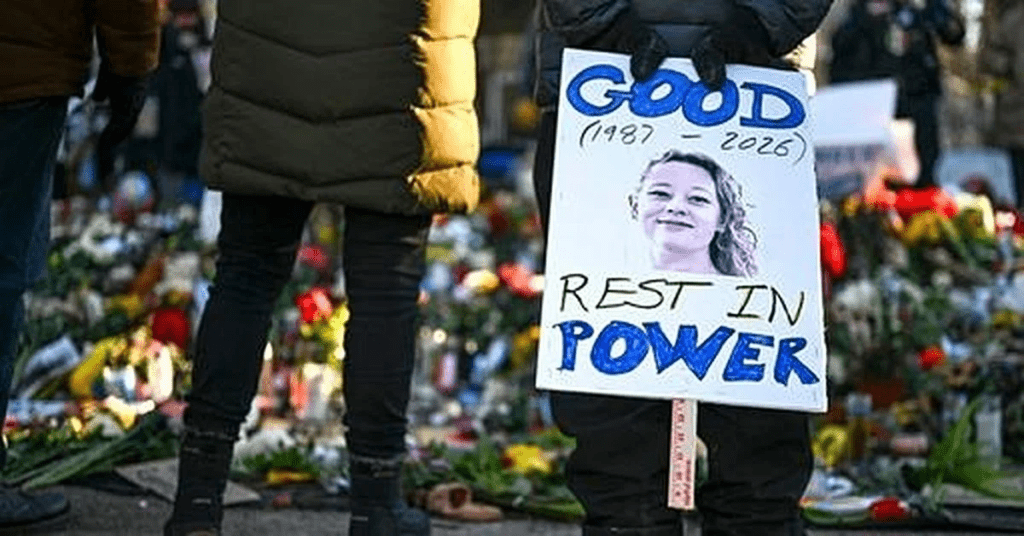
What was meant to be a big comedy weekend in St. Paul quickly turned into controversy and cancellation. Ben Bankas, a stand-up comedian who has built a following through edgy, provocative humor, was scheduled to perform six sold-out shows at the Laugh Camp Comedy Club. But in the days leading up to his performances, things took a dramatic turn.
Videos from his recent sets in New York — shared widely on social media — showed Bankas making jokes about the death of Renee Good, a Minneapolis woman fatally shot by a federal Immigration and Customs Enforcement (ICE) agent earlier in January. The clips spread quickly, drawing widespread criticism and outrage from people who felt the material was tasteless and disrespectful. In the face of mounting public pressure and concern over potential safety issues, the club announced it was cancelling all of Bankas’s scheduled performances and offering refunds to ticket holders.
The situation has become one of the most talked-about stories in comedy and media this week, raising questions about comedy’s role in society and how far comedians can — or should — go when tackling sensitive topics.
Also Read : Jeannie Mai on Jeezy Divorce: “Experiencing Death Alive,” Personal Growth & Co-Parenting
Who Is Ben Bankas?
Ben Bankas is a Canadian-born comedian based in Austin, Texas, known for his confrontational and often politically charged comedy. He has built a following online through social media and appearances on platforms such as YouTube, where he engages with current events and cultural commentary.
His style is deliberately provocative; he often blends satire with blunt observations meant to shock as much as entertain. That approach has earned him both loyal fans and vocal detractors. Before this latest controversy, Bankas had already faced show cancellations in other venues for material that some perceived as offensive or misaligned with a venue’s values. Nevertheless, he has also continued to sell out shows in other cities, demonstrating a complex mix of commercial support and public resistance.
What Did Bankas Say That Sparked the Backlash?
The root of the controversy was a series of jokes Bankas delivered shortly after Renee Good’s death. In clips circulating widely online, Bankas made light of the situation and used language that many found deeply offensive. His comments included making jokes about her last name, detailing her death in a flippant way, and repeating derogatory terms aimed at her and her partner.
Because the shooting of Renee Good was still fresh in the public’s mind — and because protests and discussions about federal law enforcement had been ongoing — many listeners reacted strongly. To them, Bankas’s remarks crossed a line from edgy comedy into something insensitive and hurtful.
The reaction was swift: people online condemned the material, local comics described their shock at hearing about it, and conversation around the performances turned from anticipation to outrage.
Why the Club Pulled the Shows
The Laugh Camp Comedy Club ultimately decided to cancel all of Bankas’s shows — all six of them — citing two main concerns: safety and community impact.
Club owner Bill Collins explained that in the current climate, continuing with the shows would have posed real risks. The footage of Bankas’s jokes had attracted intense attention and criticism, and Collins felt that neither security measures nor precautions would be enough to prevent potential confrontations or disturbances.
Cancelling six sold-out performances is not a small decision for a venue. It means lost revenue, disappointed ticket holders, and logistical headaches. But for the club, prioritizing the safety of patrons, staff, and performers outweighed those considerations. Refunds were offered to ticket buyers as part of the cancellation, and the club communicated that its focus was on maintaining a safe and respectful space.
The move reflected not just the controversy around Bankas’s material, but also a broader awareness among entertainment venues about the potential consequences of controversial bookings amid heightened public sensitivity to incidents of violence and injustice.
A Bigger Conversation About Comedy and Limits
The fallout from Ben Bankas’s cancelled shows has reignited a familiar debate about comedy: where is the line between pushing boundaries and causing harm?
For decades, comedians have used humor to confront uncomfortable truths, satirize societal issues, and provoke thought. But when jokes touch on tragedy, death, or real suffering, audiences often react with discomfort or outright anger. Critics of Bankas argue that joking about someone’s death — especially in circumstances that involve violence — moves beyond satire and into cruelty.
Supporters of free speech and comedy’s edgier side counter that comedians should be able to explore even difficult topics without being silenced. They argue that comedy has always played with taboo subjects and that audience reaction should determine what succeeds or fails, rather than venue cancellations.
These discussions are not new, but the Bankas incident has placed them squarely back in the spotlight. People on both sides of the debate are using this moment to voice broader concerns about comedy’s place in public discourse, the responsibilities of performers, and how society handles artistic expression that many find offensive.
Also Read : How to Watch the 2026 Grammys Live: Date, Time, Performers, Streaming & More
How Bankas Has Responded
After the cancellations, Bankas addressed the situation publicly during another performance. He expressed disappointment about being unable to perform for Minnesota audiences and suggested that he had wanted to bring humor to “normal and good people” in the area. His response included profanity and a dismissive tone toward the club’s decision, which drew boos from that crowd.
Bankas’s reaction illustrates the tension at the heart of the controversy: he sees himself as pushing comedic limits, while many others see his material as crossing a line of basic respect and sensitivity.
Despite the Minnesota cancellations, Bankas still had upcoming performances scheduled in other cities, including shows in Ottawa and Toronto. His continuing ability to fill venues elsewhere highlights the polarized reception he receives — while some audiences reject his material, others continue to support it.
Public Reaction: Divided and Emotional
Public reaction to the cancellation has been sharply divided. On social media and in comment sections, responses range from outright condemnation to staunch defense of Bankas’s right to perform.
Some people argue that comedians should face consequences when their jokes target tragedy or marginalized individuals. Others claim the venue gave into “cancel culture” and stifled artistic expression.
Conversations have also emerged about whether comedy should be a space for challenging topics or whether certain boundaries — especially involving recent death — should be respected out of basic human decency.
In local communities and online forums alike, opinions about this incident reveal how deeply personal comedy can feel, and how quickly humor can become embroiled in cultural conflict.
What This Means for Comedy Clubs Moving Forward
For venues that book comedy shows, the Bankas situation is likely to prompt reflection on how they plan events in politically and socially charged times.
Comedy clubs walk a fine line: they want to host acts that draw crowds and spark conversation, but they also have to consider community standards, safety, and the potential impact of controversial material. Many independent venues are small spaces with limited resources, and they must weigh financial considerations against the wellbeing of their patrons and teams.
The fallout from this incident may lead other venues to review their booking decisions more carefully, especially when performers touch on sensitive or recent events.
Is This Part of a Broader Cultural Moment?
The cancellation of Ben Bankas’s shows isn’t happening in isolation. It comes amid wider national conversations about policing, federal law enforcement actions, protests, and public demonstrations following multiple high-profile incidents.
When people are already emotionally charged and divided over societal issues, a joke that appears to make light of tragedy can feel like more than just humor — it can feel like an affront.
This moment underscores how comedy does not exist in a vacuum. Performers create material within a cultural context, and audiences interpret that material through the lens of current events, personal values, and social awareness.
Whether this incident changes how comedians approach their craft, or how audiences define acceptable material, remains to be seen. What is clear is that comedy, like all art, continues to be shaped by the world in which it is performed.
Also Read : Noah Kahan Announces The Great Divide: Release Date, First Single, Themes & Album Insights
FAQs
What led to Ben Bankas’s shows being cancelled in Minnesota?
Six sold-out shows at the Laugh Camp Comedy Club in St. Paul were cancelled after videos of Bankas making jokes about the death of Renee Good went viral and sparked public outrage.
Who was Renee Good?
Renee Good was a woman who was fatally shot in Minneapolis earlier in January when a federal ICE agent fired at her vehicle. The incident had already been a point of tension and public discussion.
Why did the comedy club cancel the shows?
The club cited safety concerns, increased media attention, and potential liability as key reasons for cancelling the scheduled performances, prioritizing the wellbeing of patrons and staff.
How did Bankas respond to the cancellations?
Bankas publicly expressed disappointment and frustration, dismissing the decision during another performance and defending his right to perform.
Has Bankas faced similar controversies before?
Yes — earlier shows scheduled in Canada were also cancelled by venues that felt his comedy did not align with their values.
Will Bankas still perform in other cities?
As of now, he has upcoming shows scheduled in other cities outside Minnesota.
Join our WhatsApp channel for more updates and information about celebrities and entertainment.
I’m Atul Kumar, founder of Cine Storytellers and an entertainment creator with 5+ years of experience. I cover films, celebrities, music, and OTT content with a focus on accurate, ethical, and engaging storytelling. My goal is to bring readers trustworthy entertainment news that informs, inspires, and goes beyond gossip.
Discover more from Cine Storytellers
Subscribe to get the latest posts sent to your email.