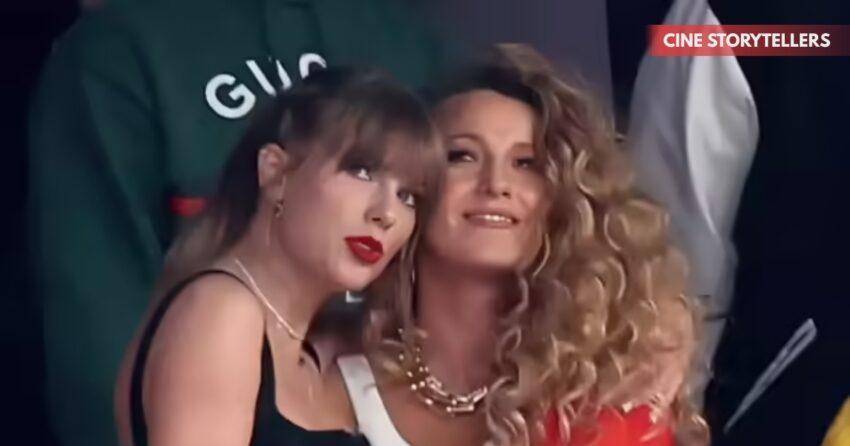
A high-profile Hollywood lawsuit involving Blake Lively and Justin Baldoni has taken an unexpected turn with the release of private text messages between Lively and her close friend Taylor Swift. The unsealed messages, which include strong language allegedly used by Swift, have fueled intense public debate about celebrity privacy, legal strategy, and the blurred lines between personal support and professional involvement. This article breaks down what happened, why the texts matter, and how the controversy is unfolding—without the noise.
The Lawsuit at the Center of the Storm
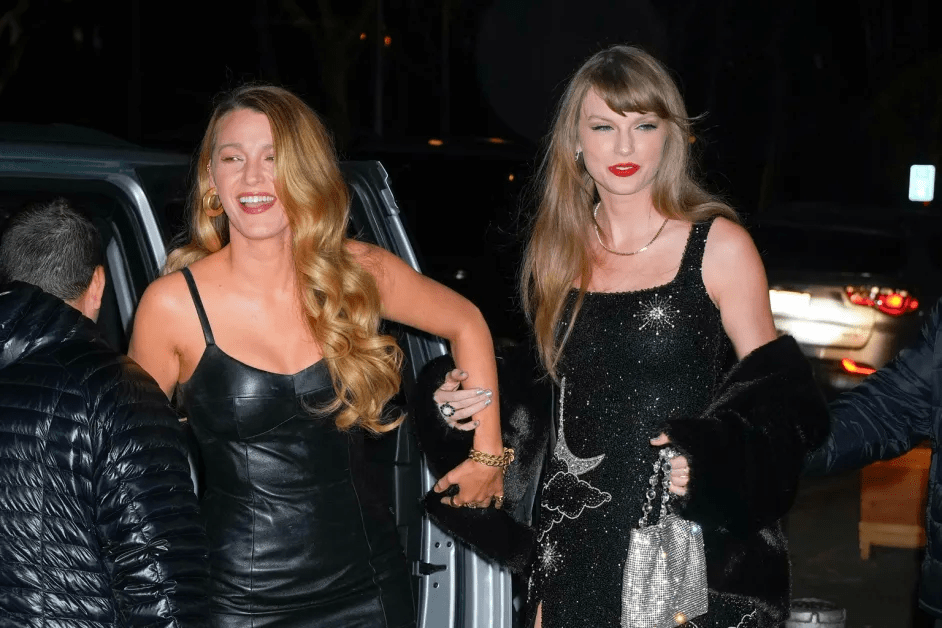
At the heart of this controversy is the film It Ends With Us, a highly anticipated adaptation of Colleen Hoover’s bestselling novel. Blake Lively starred in the film, while Justin Baldoni served as both co-star and director. What began as a celebrated literary adaptation soon became one of Hollywood’s most talked-about legal battles.
Blake Lively filed a lawsuit alleging inappropriate conduct and retaliation tied to the film’s production. Justin Baldoni has firmly denied the allegations and pushed back through legal filings of his own. As the case progressed, it expanded beyond the two principal figures—pulling in studio executives, producers, and, unexpectedly, Taylor Swift.
What makes this case unique isn’t just the allegations, but how deeply personal communications have become part of the public legal record.
How Taylor Swift Became Part of the Conversation
Taylor Swift is not a defendant, producer, or creative force behind It Ends With Us. Her official involvement with the film was limited to licensing a song for the soundtrack. Yet her name surfaced because of her long-standing friendship with Blake Lively.
As the lawsuit moved forward, court filings revealed private text messages exchanged between Swift and Lively during a tense period surrounding the dispute. These texts were unsealed, making them accessible to the public and media.
In one widely reported message, Swift allegedly used an expletive to describe Justin Baldoni while expressing support for Lively. That single line quickly became a headline—but it’s only one small piece of a much larger story.
What the Unsealed Texts Actually Reveal
The released messages paint a picture of two close friends speaking candidly during an emotionally charged situation. The language is informal, emotional, and unfiltered—exactly what one would expect from private conversations never meant for public scrutiny.
Key takeaways from the texts include:
- Blake Lively expressing frustration with the production process and Baldoni’s leadership
- Taylor Swift offering emotional support and reassurance
- Strong language reflecting stress, anger, and loyalty rather than legal coordination
Importantly, there is no direct evidence in the texts showing Swift directing legal strategy, influencing the film’s creative decisions, or orchestrating media coverage. Still, Baldoni’s legal team has pointed to the messages as proof of behind-the-scenes influence, while Lively’s team argues they show nothing more than friendship.
Why One Word Sparked Massive Headlines
The intense focus on Swift’s alleged expletive highlights a broader issue: how celebrity culture amplifies isolated moments while ignoring context.
A single word—used privately—has dominated coverage, often overshadowing:
- The legal claims themselves
- The broader timeline of events
- The question of whether private support should ever become public evidence
For many observers, the fixation says less about Swift and more about society’s fascination with celebrity conflict. When one of the world’s most famous musicians appears in court documents, even indirectly, attention is inevitable.
Swift’s Team Responds and Draws Boundaries
Taylor Swift’s representatives have been consistent and clear in their response. They’ve emphasized that:
- Swift had no involvement in directing, producing, or casting the film
- She never visited the set
- Her role was limited to music licensing
- Any suggestion of creative or legal influence is inaccurate
Her team has also pushed back against attempts to pull her further into the lawsuit, arguing that private messages between friends should not be mischaracterized as professional interference.
This firm boundary-setting has helped clarify her position, though it hasn’t stopped public speculation.
Also Read : Magic Mike Live New York City 2026: Opening Date, Venue, Cast, and What to Expect
The Privacy Debate: Should These Texts Be Public?
Beyond celebrity gossip, this case raises serious questions about privacy in the legal system.
When personal messages become evidence, the public gains access to moments never intended for outside eyes. While this is sometimes necessary for justice, it also creates a chilling effect—especially for high-profile individuals whose every word can be dissected.
Critics argue that publishing private texts risks:
- Discouraging honest communication
- Turning emotional support into legal liability
- Shifting focus from facts to personalities
Supporters counter that once messages are relevant to a case, transparency matters more than comfort.
The truth, as always, sits somewhere in the middle.
Also Read : Netflix Is a Joke Fest 2026 Is About to Take Over Los Angeles With Comedy’s Biggest Names
How Public Opinion Has Split
Reaction to the unsealed texts has been sharply divided.
Some fans defend Swift and Lively, pointing out that private frustration expressed between friends is normal and human. They argue that the outrage is disproportionate and fueled by celebrity obsession rather than substance.
Others believe the messages reveal bias or hostility that could influence legal narratives, even unintentionally. They question whether powerful friendships shape Hollywood outcomes behind closed doors.
What’s clear is that the controversy has extended the lawsuit’s lifespan in the public eye, keeping it trending well beyond courtroom proceedings.
Justin Baldoni’s Position Amid the Fallout
Justin Baldoni has consistently denied all allegations against him and maintains that the lawsuit has unfairly damaged his reputation. His legal team has argued that the texts help demonstrate preconceived hostility and coordinated narratives against him.
From Baldoni’s perspective, the inclusion of Swift’s messages isn’t about celebrity drama—it’s about context. Whether courts agree remains to be seen.
The legal battle is ongoing, and both sides are preparing for further hearings that will determine what evidence ultimately carries weight.
Why This Case Matters Beyond Hollywood
This lawsuit isn’t just about one film or a handful of celebrities. It reflects broader cultural tensions around:
- Power dynamics on film sets
- The role of private communication in legal disputes
- How fame reshapes accountability
- The media’s influence on public perception of unresolved cases
As more industries confront similar issues, this case may become a reference point for how personal messages are treated in high-profile litigation.
What Happens Next?
As the case moves closer to trial, several things are likely:
- More documents may be unsealed
- Witness lists could expand
- Media scrutiny will intensify
- Legal arguments will shift from emotion to evidence
Taylor Swift is not expected to play a central role going forward, but her name will likely remain attached to coverage as long as the texts are discussed.
For Blake Lively and Justin Baldoni, the stakes remain high—professionally, personally, and reputationally.
The Bigger Picture
Stripped of headlines and hashtags, this story is ultimately about how private moments collide with public systems. A friendship, a lawsuit, and a few lines of text have combined to create a cultural flashpoint.
Whether the texts matter legally is for the courts to decide. But culturally, they’ve already sparked an important conversation about empathy, privacy, and the cost of fame.
Also Read : Kanye West India Concert 2026: First-Ever Live Performance, Dates, Cities, and What Fans Can Expect
FAQs
Why were Taylor Swift’s texts made public?
They were included in court filings related to Blake Lively’s lawsuit, and once unsealed, became part of the public record.
Is Taylor Swift being sued or accused of wrongdoing?
No. Swift is not a defendant and has not been accused of illegal behavior.
Did Taylor Swift work on It Ends With Us beyond music licensing?
According to her representatives, no. Her involvement was limited to licensing a song.
What did the texts allegedly say?
Reports indicate Swift used strong language about Justin Baldoni while offering emotional support to Blake Lively.
Are the texts considered evidence?
They are part of the legal record, but how much weight they carry will be determined by the court.
When will the lawsuit be resolved?
As of now, the case is ongoing, with hearings and potential trial proceedings expected in 2026.
Join our WhatsApp channel for more updates and information about celebrities and entertainment.

I’m Atul Kumar, founder of Cine Storytellers and an entertainment creator with 5+ years of experience. I cover films, celebrities, music, and OTT content with a focus on accurate, ethical, and engaging storytelling. My goal is to bring readers trustworthy entertainment news that informs, inspires, and goes beyond gossip.
Discover more from Cine Storytellers
Subscribe to get the latest posts sent to your email.