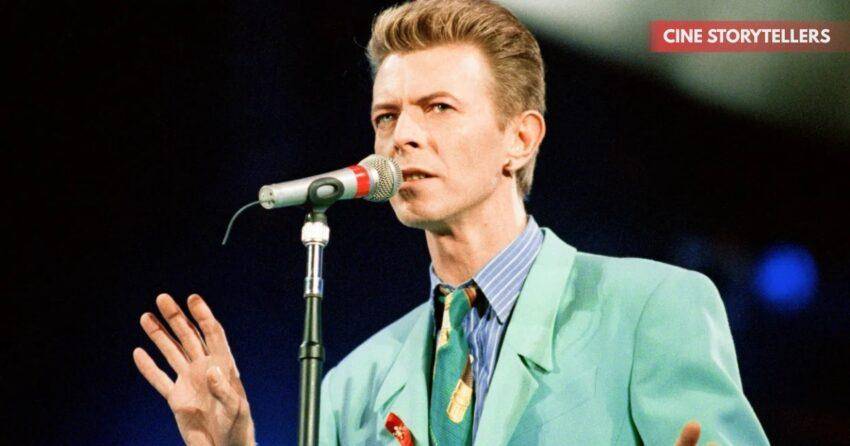
It’s been ten years since David Bowie released Blackstar, his final studio album, just two days before his death. Far from a conventional farewell, the album is a haunting exploration of mortality, creativity, and transformation. With its experimental soundscapes, cryptic lyrics, and deeply personal themes, Blackstar serves as a testament to Bowie’s fearless artistry. From the innovative music and striking visuals to its enduring influence on both fans and artists, the album continues to captivate listeners worldwide. This article reflects on the album’s creation, its reception, its impact over the past decade, and why it remains an essential piece of Bowie’s legacy.
The Birth of Blackstar: A Secret Farewell
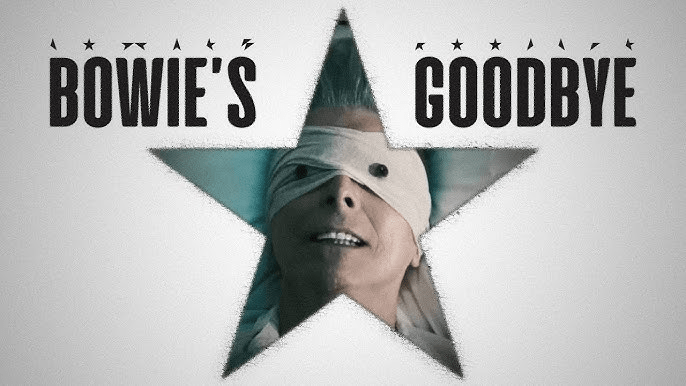
David Bowie released Blackstar on his 69th birthday, two days before he passed away. At the time, few knew he was battling terminal liver cancer. Bowie’s decision to keep his illness private mirrored the enigmatic and deliberate nature of the album itself — an intensely personal work shrouded in mystery.
The recording process was equally secretive. Bowie collaborated with a small group of musicians, many with jazz backgrounds, to craft an album that defied genre and expectation. Unlike his previous work, Blackstar embraced dissonance, unconventional song structures, and abstract storytelling, offering an audacious blend of art rock, jazz, and experimental textures. Every note, every pause seemed carefully designed to reflect mortality and transformation, giving listeners a glimpse into the mind of an artist confronting his own end with profound creativity.
Bowie’s Artistic Evolution Leading to Blackstar
By the time Blackstar arrived, Bowie had already reinvented himself countless times — from the glam rock flamboyance of Ziggy Stardust to the electronic experimentation of Low and the soulful textures of Young Americans. Yet Blackstar was unlike anything he had done before. It was simultaneously reflective and forward-looking, deeply personal and universally resonant.
The album’s musical palette, dominated by intricate saxophone lines, electronic flourishes, and shifting tempos, showcased Bowie’s willingness to challenge listeners. He had never been content to rest on his laurels, and Blackstar became the ultimate testament to his relentless pursuit of artistic evolution.
Also Read : How to Watch The Hunting Party Season 2 Premiere Free – Streaming, Air Times, and Full Guide
Themes of Mortality and Transformation
At its core, Blackstar is a meditation on mortality. Lyrics and melodies weave together reflections on life, death, and legacy, revealing Bowie’s awareness of his own imminent passing. Tracks explore themes of existential reckoning, acceptance, and transcendence. The album’s imagery, particularly in music videos like Lazarus, reinforces this narrative, blending haunting visuals with enigmatic symbolism.
What makes Blackstar remarkable is how it confronts death not with despair, but with artistry and defiance. Bowie transforms his mortality into a canvas, using music to communicate his final thoughts, emotions, and creative vision. It’s a rare instance of an artist using their work as a conscious farewell, leaving behind something that feels simultaneously intimate and universal.
Breaking Musical Boundaries
Musically, Blackstar stands apart for its boldness. Bowie abandoned traditional pop structures in favor of unpredictability. Time signatures shift, moods change abruptly, and the arrangements often verge on dissonance. The jazz-influenced instrumentation adds a sense of improvisation, as if the songs themselves are navigating uncharted emotional terrain.
The album’s experimental approach wasn’t just for shock value. Every unusual chord, every abrupt shift, and every cryptic lyric contributes to the overarching narrative of reflection and transition. Bowie challenged listeners to engage actively, to feel the music rather than simply consume it.
Critical and Commercial Acclaim
Blackstar achieved both critical and commercial success, topping charts around the world and earning multiple awards. Critics praised its ambition, depth, and emotional resonance, calling it a fitting, unforgettable conclusion to Bowie’s legendary career.
The album was celebrated for being both accessible and avant-garde, a rare balance that reinforced Bowie’s ability to remain relevant and influential even in his final days. Its commercial success demonstrated that listeners were eager for music that challenged them, confirming Bowie’s lifelong status as a pioneer.
The Visual Dimension: Music Videos and Artistry
Bowie understood that Blackstar wasn’t just an auditory experience. He incorporated visual elements, most notably in the Lazarus music video, which served as a cinematic exploration of mortality. His physical presence on screen, combined with symbolic imagery — from bandaged eyes to a haunting descent into darkness — amplified the album’s themes.
These visuals transformed the album into a multidimensional work of art. Fans often describe watching the videos as both exhilarating and unsettling, underscoring Bowie’s skill at merging narrative, music, and image into a seamless, evocative experience.
Also Read : Nina Dobrev Stuns in Off-Shoulder Gown – Fashion Breakdown, Styling Details, and Fan Reactions
The Album’s Enduring Influence
A decade later, Blackstar continues to inspire musicians, visual artists, and audiences worldwide. Its influence is evident in contemporary art rock, experimental jazz fusion, and even mainstream pop, where artists cite Bowie’s final work as a touchstone for pushing boundaries.
More importantly, the album resonates emotionally. Listeners continue to discover new layers within its tracks, finding relevance in its meditations on life, death, and artistic legacy. This ongoing engagement underscores the album’s timeless quality and Bowie’s unparalleled ability to create work that remains meaningful across generations.
Commemorating the 10th Anniversary
The tenth anniversary of Blackstar has prompted renewed reflection on Bowie’s life and career. Tributes have ranged from listening events and exhibitions to special edition releases of the album. Fans have shared stories of how Blackstar helped them navigate grief, change, and creativity, cementing its place as more than just an album, but a cultural touchstone.
This milestone is not simply about remembering Bowie’s death; it’s a celebration of his creativity, courage, and enduring impact on the arts. The anniversary reminds us why Bowie’s work continues to resonate so powerfully — because it speaks to the human condition in ways few artists dare to attempt.
Blackstar and Legacy: More Than an Album
Ultimately, Blackstar is a statement about legacy. Bowie’s life was defined by reinvention and risk-taking, and he applied those principles to his final work with extraordinary precision. The album serves as a reminder that art can confront mortality, that music can both entertain and provoke deep reflection, and that a legacy is as much about courage as it is about creativity.
Through Blackstar, Bowie ensured that even after his death, he would continue to challenge, inspire, and haunt audiences. It’s a work that demands attention, rewards repeated listening, and invites interpretation — the mark of an enduring masterpiece.
How Fans Connect With Blackstar Today
Fans often describe Blackstar as an emotional journey. Some approach it as a meditation on life and death, while others view it as a study in musical innovation. Its complexity and depth mean that every listening experience is unique, and many fans return to the album years later to uncover new insights.
This personal engagement with the work highlights Bowie’s skill at creating art that is simultaneously universal and deeply intimate. In a decade since its release, Blackstar has become a soundtrack for reflection, creativity, and transformation.
Also Read : Alan Cumming Receives Hollywood Walk of Fame Star – A Career Celebration You Can’t Miss
FAQs
When was Blackstar released?
Blackstar was released on January 8, 2016, just two days before David Bowie’s death.
Why is Blackstar considered his final album?
It was the last studio album Bowie completed, intended as a farewell both musically and thematically.
What makes Blackstar unique musically?
The album blends art rock, jazz, and experimental music, featuring unconventional structures and profound lyrical themes.
How did fans react to Blackstar?
Fans were deeply moved, praising its innovation, emotional resonance, and poetic engagement with mortality.
Why does Blackstar remain relevant today?
Its exploration of mortality, creativity, and legacy continues to inspire listeners and artists, making it a timeless artistic achievement.
Join our WhatsApp channel for more updates and information about celebrities and entertainment.

I’m Atul Kumar, founder of Cine Storytellers and an entertainment creator with 5+ years of experience. I cover films, celebrities, music, and OTT content with a focus on accurate, ethical, and engaging storytelling. My goal is to bring readers trustworthy entertainment news that informs, inspires, and goes beyond gossip.
Discover more from Cine Storytellers
Subscribe to get the latest posts sent to your email.