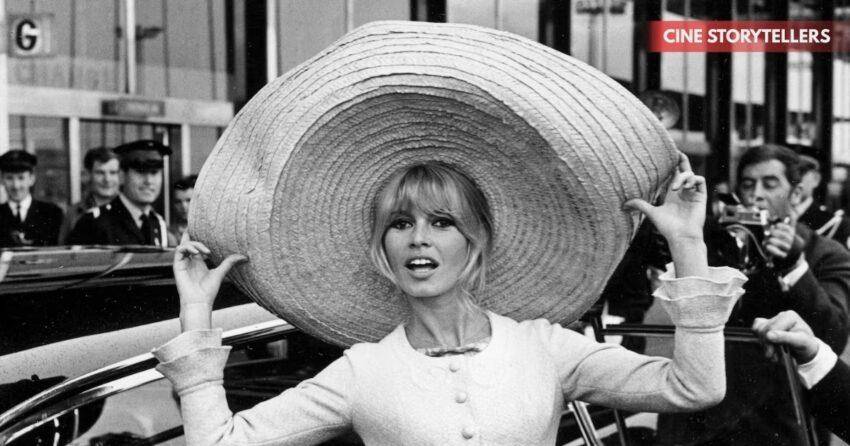
Brigitte Bardot, one of the most influential and polarizing figures in global cinema, has died at the age of 91. Rising to fame in the 1950s, Bardot didn’t just become a movie star — she became a symbol of freedom, sensuality, and rebellion that reshaped how women were portrayed on screen. From her groundbreaking film roles to her early retirement and later life as a fierce animal rights activist, Bardot lived unapologetically and often controversially. This article looks back at her extraordinary life, her cinematic legacy, her activism, and why her name will continue to spark conversation long after her passing.
The World Reacts to Brigitte Bardot’s Death

News of Brigitte Bardot’s death spread quickly, prompting an outpouring of reactions from across the globe. For many, her passing felt like the closing of a major chapter in cultural history. Bardot was more than a French film star — she was a worldwide phenomenon whose influence reached fashion, music, feminism, and art.
Tributes poured in from actors, filmmakers, politicians, and fans who grew up watching her films or admiring her fearless individuality. At the same time, her death also revived discussions about the complicated and often controversial positions she took later in life. In true Bardot fashion, even her farewell reignited debate.
From Paris Childhood to Rising Star
Brigitte Anne-Marie Bardot was born on September 28, 1934, in Paris, France. Raised in a strict, upper-middle-class household, she initially trained as a ballet dancer. Grace and discipline shaped her early years, but it was her striking presence that soon caught public attention.
As a teenager, Bardot began modeling and appeared on the cover of Elle magazine — a moment that would change the course of her life. Film producers quickly noticed her natural magnetism, and by the early 1950s, she was appearing in small film roles that hinted at her future stardom.
The Film That Changed Everything
Bardot’s life — and cinema itself — shifted dramatically in 1956 with the release of And God Created Woman. The film shocked audiences with its frank sensuality and unapologetic female desire, something rarely seen at the time.
Bardot’s performance was unlike anything mainstream audiences had experienced. She wasn’t playing a passive love interest; she was bold, impulsive, and fully in control of her sexuality. Overnight, she became an international sensation and a symbol of a changing world.
The film didn’t just launch her career — it helped redefine how women could exist on screen.
Also Read : Box Office: Avatar: Fire and Ash Leads the Holidays as Marty Supreme and Anaconda Compete
A Career That Redefined Female Stardom
Throughout the late 1950s and 1960s, Brigitte Bardot dominated European cinema and became a recognizable face in Hollywood as well. She starred in dozens of films that blended commercial success with artistic ambition.
Some of her most celebrated performances came in films like The Truth, Contempt, and Viva Maria!. Directors praised her instinctive acting style, while critics debated her cultural impact. Whether admired or criticized, she was impossible to ignore.
Bardot’s appeal wasn’t limited to acting. Her hairstyle, fashion choices, and effortless confidence influenced trends worldwide, cementing her status as a style icon.
Fame, Pressure, and a Sudden Exit
Despite her success, Bardot often spoke openly about the dark side of fame. Intense media scrutiny, relentless paparazzi, and constant public judgment took a toll on her mental health.
In 1973, at just 39 years old, Bardot shocked the world by announcing her retirement from acting. At the height of her fame, she chose to walk away — a decision that baffled fans but reflected her desire for personal freedom.
Unlike many stars who attempt comebacks, Bardot never returned to cinema. Her exit was final, deliberate, and deeply personal.
Reinventing Herself as an Animal Rights Activist
After leaving the film industry, Bardot devoted her life to animal welfare — a cause she felt passionately about long before it became mainstream. In 1986, she founded the Brigitte Bardot Foundation, focusing on the protection of animals from cruelty, abuse, and exploitation.
She campaigned aggressively against practices like seal hunting, the fur trade, and factory farming. Bardot used her fame as a weapon for advocacy, writing open letters, funding rescue operations, and pressuring governments to take action.
For many supporters, this chapter of her life was just as meaningful as her film career.
Controversy That Complicated Her Legacy
While Bardot earned admiration for her activism, her later years were also marked by controversy. She made outspoken political statements on immigration and religion that led to legal consequences in France.
These comments resulted in multiple convictions for inciting hatred — a stark contrast to her earlier image as a symbol of liberation. Critics argued that her views undermined her humanitarian work, while supporters claimed she was exercising free speech.
This duality — beloved icon and polarizing figure — became inseparable from her public identity.
Also Read : Sydney Sweeney Dating Scooter Braun? All the Rumors
Personal Life Behind the Headlines
Bardot’s personal life was frequently under public scrutiny. She was married four times and had one son, though her relationships were often strained by fame and media attention.
She later admitted that motherhood did not come naturally to her and that she struggled with expectations placed on women. Her honesty, though controversial, reflected the same refusal to conform that defined her entire life.
In her later years, Bardot lived quietly in Saint-Tropez, largely removed from public appearances but still vocal through letters and statements.
Why Brigitte Bardot Still Matters Today
Decades after her last film, Bardot’s influence remains visible. Modern discussions about female autonomy in cinema often trace their roots back to her performances. Fashion designers still reference her iconic looks. Activists continue the work she began for animal rights.
She challenged norms long before it was safe to do so — and paid the price for that defiance. Whether praised or criticized, Bardot forced society to confront uncomfortable questions about fame, freedom, and femininity.
Her life reminds us that cultural icons don’t have to be perfect to be powerful.
The End of an Era, Not a Conversation
Brigitte Bardot’s death marks the end of a remarkable and complicated life. She lived boldly, spoke freely, and refused to soften herself for public approval. That authenticity — even when controversial — is what made her unforgettable.
As the world reflects on her legacy, one thing is clear: Bardot didn’t just belong to cinema history. She shaped it.
Also Read : Battle of Galwan Teaser: Salman Khan War Drama, Teaser Breakdown, Release Date & Story Details
FAQs
How old was Brigitte Bardot when she died?
Brigitte Bardot was 91 years old at the time of her death.
What made Brigitte Bardot famous?
She rose to international fame in the 1950s after starring in And God Created Woman, which redefined female sexuality in cinema.
Why did Brigitte Bardot retire from acting so early?
She retired in 1973 due to intense pressure from fame, media scrutiny, and a desire for personal freedom.
What did she do after leaving films?
Bardot became a full-time animal rights activist and founded the Brigitte Bardot Foundation.
Why is her legacy considered controversial?
While celebrated for her film career and activism, Bardot faced criticism and legal consequences for outspoken political and religious comments later in life.
Join our WhatsApp channel for more updates and information about celebrities and entertainment.

I’m Atul Kumar, founder of Cine Storytellers and an entertainment creator with 5+ years of experience. I cover films, celebrities, music, and OTT content with a focus on accurate, ethical, and engaging storytelling. My goal is to bring readers trustworthy entertainment news that informs, inspires, and goes beyond gossip.
Discover more from Cine Storytellers
Subscribe to get the latest posts sent to your email.