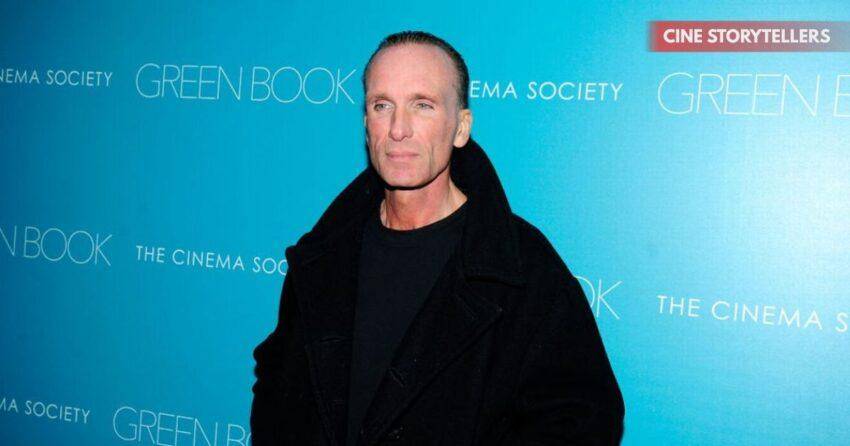
Veteran character actor Peter Greene, remembered for his unforgettable performances in Pulp Fiction and The Mask, was found dead inside his New York City apartment at the age of 60. While authorities have ruled out foul play and the cause of death is pending, Greene’s passing has reignited conversations about his immense talent, complicated life, and lasting influence on 1990s cinema. This article explores what happened, celebrates his career highlights, and reflects on why Peter Greene remains one of Hollywood’s most compelling unsung actors.
Peter Greene Found Dead at 60 in New York City
Actor Peter Greene was found unresponsive inside his New York City apartment on December 12, 2025, according to law enforcement sources. Emergency responders pronounced him dead at the scene. Authorities have stated that no foul play is suspected, and the official cause of death will be determined by the medical examiner.
The news sent shockwaves through Hollywood and among fans who vividly remember Greene’s intense screen presence during the 1990s. While he was never a traditional leading man, his performances often left a lasting impression—sometimes unsettling, always memorable.
For many, Greene’s death feels sudden, even if his public profile had quieted in recent years. His passing marks the end of a career defined not by fame, but by fearless performances.
Why Peter Greene’s Roles Still Matter
Peter Greene wasn’t a household name, but chances are you remember his face. He had the rare ability to dominate a scene with very little dialogue, using body language, timing, and an unnerving calm that made his characters feel dangerously real.
In an era filled with larger-than-life movie villains, Greene stood out by making his antagonists feel human—and that made them far more frightening.
Directors often turned to him when they needed someone who could project menace without exaggeration. That skill made him a staple of gritty crime films and psychological thrillers throughout the 1990s and early 2000s.
His Breakout Role in Pulp Fiction
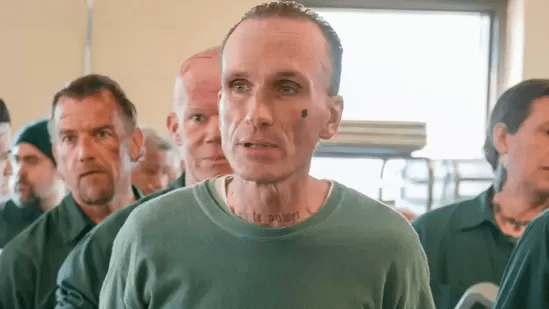
Greene’s most infamous performance came in Quentin Tarantino’s Pulp Fiction (1994), where he portrayed Zed, a sadistic antagonist whose brief appearance left a permanent mark on cinema history.
Despite limited screen time, Greene delivered a performance so chilling that it became one of the film’s most talked-about moments. His portrayal was restrained yet terrifying—proof that sometimes the scariest villains are the quiet ones.
Tarantino reportedly valued Greene’s ability to convey threat without theatrics, and that role cemented his place in pop culture, even among audiences who may not know his name.
The Mask and Mainstream Recognition
The same year Pulp Fiction was released, Greene appeared in The Mask opposite Jim Carrey, playing crime boss Dorian Tyrell.
While the film was largely remembered for its slapstick comedy and Carrey’s elastic performance, Greene provided a grounded, genuinely dangerous counterbalance. His character’s transformation into a superpowered villain added real stakes to what could have been a purely comedic film.
For many viewers, The Mask was their first exposure to Peter Greene—even if they didn’t realize it at the time.
A Career Built on Complex Characters
Beyond his most famous roles, Greene amassed over 90 film and television credits, often portraying criminals, cops, and morally ambiguous figures.
Some of his notable appearances include:
- The Usual Suspects
- Training Day
- Clean, Shaven (a critically acclaimed indie film)
- Laws of Gravity
- Blue Streak
What made Greene special was his refusal to simplify characters. Even when playing villains, he brought layers of vulnerability, unpredictability, and realism that elevated the material.
He was a character actor in the truest sense—someone who made every role feel lived-in.
Also Read : South Park Season 28 Episode 5 Recap: Trump, Satan & the Antichrist Finale Explained
Personal Struggles Behind the Scenes
Greene was open about his struggles with substance abuse, which affected both his career trajectory and personal life. At the height of his success in the 1990s, addiction reportedly led to missed opportunities and strained professional relationships.
Unlike many Hollywood stories that gloss over these realities, Greene’s life reflected the difficult truth that raw talent doesn’t always guarantee stability.
Yet friends and collaborators often described him as kind, introspective, and deeply committed to his craft. Those who worked closely with him say he never lost his love for acting, even when fame faded.
Tributes From Fans and Colleagues
Following news of his death, tributes began pouring in from fans, filmmakers, and fellow actors who admired Greene’s work.
Many highlighted his ability to steal scenes without demanding attention—a rare gift in an industry obsessed with spotlight. Others praised his willingness to take risks, even when those risks made audiences uncomfortable.
For younger actors and film lovers rediscovering 1990s cinema, Greene’s performances are often cited as examples of how powerful subtle acting can be.
Also Read : Hailee Steinfeld Is Pregnant – Actress and NFL Husband Josh Allen Expecting First Baby
What We Know About the Cause of Death
As of now, officials have not released an official cause of death. Police have confirmed that there were no signs of forced entry or foul play, and the case is being handled as a non-criminal matter.
Out of respect for Greene’s family, authorities have limited public speculation. Further details are expected once the medical examiner completes the investigation.
Until then, fans are focusing less on how he died and more on how he lived—and the work he left behind.
Peter Greene’s Lasting Legacy in Film
Peter Greene may never have chased stardom, but his legacy is secure. His performances continue to resonate because they feel honest, raw, and unfiltered.
In an industry increasingly dominated by franchises and digital effects, Greene represents a kind of acting rooted in authenticity. He proved that even a few minutes on screen can become unforgettable when delivered with conviction.
For film lovers revisiting Pulp Fiction, The Mask, or his lesser-known indie projects, Greene’s work remains a masterclass in character acting.
Also Read : Brad Pitt Rumored to Join The Batman 2 as a Villain: What the Casting Buzz Really Means
FAQs
Who was Peter Greene?
Peter Greene was an American actor best known for his roles in Pulp Fiction and The Mask. He built a career playing intense, complex characters in film and television.
How did Peter Greene die?
Peter Greene was found dead in his New York City apartment at age 60. Authorities have said no foul play is suspected, and the official cause of death is pending.
What were Peter Greene’s most famous roles?
His most iconic roles include Zed in Pulp Fiction and Dorian Tyrell in The Mask. He also appeared in The Usual Suspects and Training Day.
Was Peter Greene still acting before his death?
Yes, Greene remained involved in independent film projects and continued acting, though on a smaller scale than during his 1990s peak.
Why is Peter Greene considered an underrated actor?
Despite never becoming a major star, Greene consistently delivered powerful, memorable performances that left a lasting impact on audiences and filmmakers alike.
Join our WhatsApp channel for more updates and information about celebrities and entertainment.

I’m Atul Kumar, founder of Cine Storytellers and an entertainment creator with 5+ years of experience. I cover films, celebrities, music, and OTT content with a focus on accurate, ethical, and engaging storytelling. My goal is to bring readers trustworthy entertainment news that informs, inspires, and goes beyond gossip.
Discover more from Cine Storytellers
Subscribe to get the latest posts sent to your email.