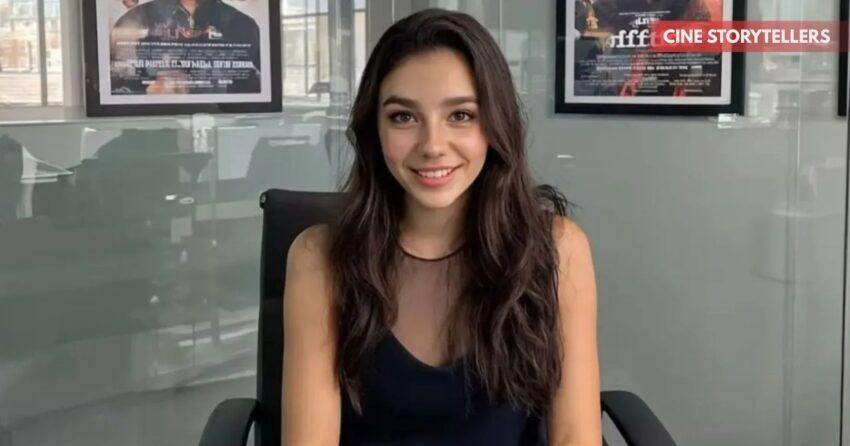
In 2025, Tilly Norwood, the first AI-generated actress, made her debut, sparking intense debate across Hollywood. Designed through thousands of AI iterations, she is a digital creation with no human counterpart. While her creators hail her as a breakthrough in entertainment, actors and unions are raising concerns about job displacement, copyright issues, and the loss of authentic human performance. This article explores the creation of Tilly Norwood, the controversies she ignites, and the potential future of AI in film and media.
What is Tilly Norwood and How Was She Created?
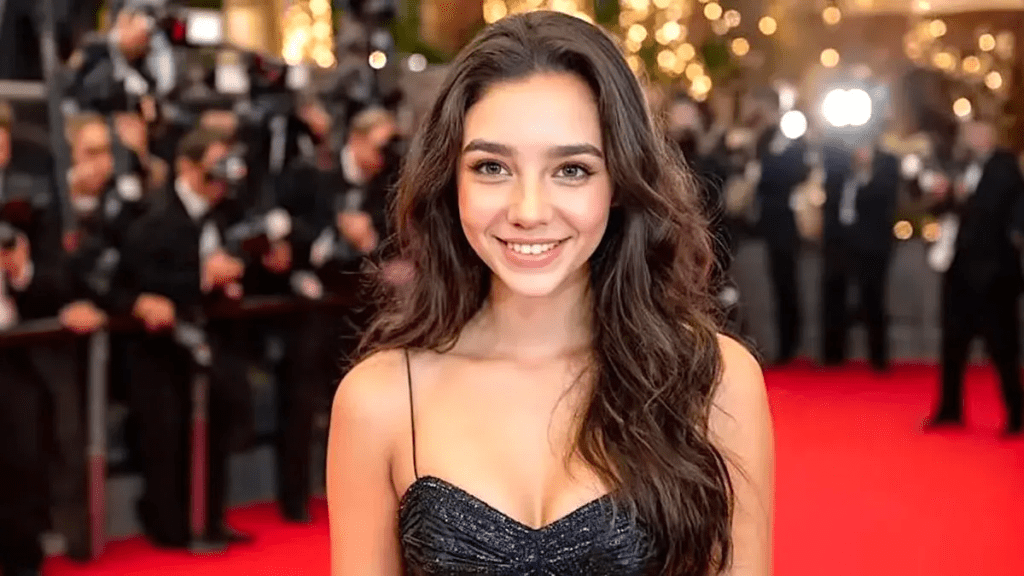
Tilly Norwood isn’t an actress in the traditional sense — she has no physical body and no personal history. Instead, she is a fully AI-generated performer, designed using advanced artificial intelligence technologies. Her creators aimed to craft a global digital star capable of performing in films, commercials, and other digital media without the constraints of human actors.
The Creation Process
Creating Tilly wasn’t a simple task. Developers reportedly went through over 2,000 iterations before finalizing her design. Every detail — from her facial structure to her expressions — was meticulously crafted to achieve a relatable yet striking appearance. Once her visual persona was complete, the AI system was trained to simulate emotions, gestures, and speech patterns, though the creators admit she is still learning to convey depth convincingly.
Her creators have publicly described Tilly as a digital “blank canvas,” designed to appeal across diverse global audiences. Their vision was ambitious: to create an AI performer who could eventually rival the popularity of some of Hollywood’s biggest stars.
Hollywood Reacts: Fear, Skepticism, and Debate
The introduction of Tilly Norwood immediately triggered strong reactions within the film industry. While some see her as a groundbreaking innovation, many actors and directors view AI-generated performers as a threat.
Union Concerns: Protecting Human Jobs
The Screen Actors Guild (SAG-AFTRA) and other industry unions were quick to respond. They warned that AI actors could displace real performers, potentially eroding years of career development and artistic opportunity. Union leaders stressed that AI lacks the lived experience and emotional authenticity that human actors bring to a role.
Additionally, AI systems often train on footage of human actors. This raises significant copyright and compensation issues, as original performances may be used to generate AI characters without the performer’s consent. These legal and ethical concerns have fueled union opposition to AI in mainstream acting roles.
Filmmakers and the Authenticity Debate
Beyond unions, veteran directors have expressed skepticism about the artistic viability of AI actors. James Cameron, for example, described AI-generated performers as “horrifying” and stressed that technology cannot replicate human vulnerability, spontaneity, or nuanced emotion.
For many filmmakers, acting is not just about hitting marks or delivering lines; it’s about capturing the depth of human experience. AI can simulate these traits visually, but critics argue it cannot truly feel or experience the emotions necessary for authentic storytelling.
Why AI Actors Could Still Be a Game-Changer
Despite the concerns, AI-generated actors like Tilly Norwood also offer unique advantages that could reshape parts of the entertainment industry.
Cost Efficiency and Flexibility
From a production standpoint, AI performers offer remarkable flexibility. They don’t require schedules, travel, or breaks, and can be filmed in any virtual setting. This makes them particularly attractive for commercials, digital media, and experimental projects where cost or logistics might otherwise be prohibitive.
Moreover, AI actors can take on roles that are impossible or unsafe for human actors, such as extreme stunts, fantastical characters, or massive background casts. This opens up new possibilities for storytelling that were previously constrained by human limitations.
Potential for Hybrid Productions
Some creators see a hybrid future where AI and human actors collaborate. In this scenario, AI performers could handle secondary or background roles, while human actors retain lead roles that require emotional depth. This approach could allow filmmakers to explore more ambitious projects while preserving human artistry at the core.
Ethical Considerations and the Future of AI in Film
The rise of AI actors raises several pressing ethical questions, including ownership, compensation, and audience transparency.
Ownership and Copyright
When AI is trained on existing actors’ performances, issues of ownership emerge. Should the original actor receive credit or royalties if their likeness or movements are used to generate a new AI character? Clear regulations are still lacking, leaving studios in a legal gray area.
Emotional Authenticity and Artistry
Authenticity remains a central concern. While AI can imitate expressions and gestures, the unique imperfections of human performance — subtle pauses, nervous ticks, and spontaneous reactions — are difficult to replicate digitally. Critics worry that a rise in AI actors could lead to a homogenized, emotionally flat style of filmmaking.
Audience Transparency
As AI performers become more common, there’s a growing call for transparency. Audiences may want to know whether the actors on screen are human or synthetic, as this knowledge could influence their connection to the story. Transparency will likely be key to maintaining trust between creators and viewers.
Scenarios for the Future of AI in Hollywood
Scenario 1: Niche Applications
AI actors could remain a specialized tool for specific types of projects, such as digital advertising, animated features, or virtual reality experiences. Human actors would still dominate mainstream cinema, preserving authenticity and artistry.
Scenario 2: Hybrid Model
In a hybrid scenario, AI and human actors share the screen. AI may handle background roles, stunts, or repetitive tasks, while lead roles continue to be performed by humans. This approach combines efficiency with artistic integrity.
Scenario 3: Widespread Adoption
If AI actors become highly realistic and cost-effective, studios may increasingly favor them over humans for some roles. This could trigger industry-wide debates, union strikes, and legal challenges, reshaping the traditional Hollywood model.
Scenario 4: Regulatory Oversight
Public and union pressure could result in regulatory frameworks governing AI actors. These rules might ensure fair compensation for original performers, establish transparency standards, and set ethical limits on AI use in entertainment.
Also Read : The Boys Season 5 Release Date, Trailer & What to Expect
What Viewers Should Know
- Transparency is key: Audiences may soon see AI actors in films, commercials, or other media. Knowing when a performer is digital could affect engagement and emotional connection.
- Support human artistry: Human actors bring nuance and authenticity that AI cannot replicate. Supporting live-action projects helps preserve these qualities.
- Ethical considerations matter: AI actors raise important questions about data use, consent, and creative ownership. Awareness and advocacy can shape responsible AI integration in media.
- Embrace innovation with caution: AI actors can enhance creativity and expand possibilities, but human artistry must remain at the heart of storytelling.
Also Read : Thunderbolts Digital Release: Everything You Need to Know in 2025
FAQs
Q: Is Tilly Norwood a real human actor?
No, Tilly Norwood is entirely AI-generated. She does not exist physically and has no personal history.
Q: Why was Tilly Norwood created?
She was created as a digital performer capable of acting in films, commercials, and other media, offering flexibility and creative potential beyond human limitations.
Q: Are actors worried about AI replacing them?
Yes. Unions and many actors are concerned that AI could displace real performers, raise copyright issues, and compromise the authenticity of storytelling.
Q: Can AI actors truly replicate human emotion?
Not fully. AI can simulate gestures and expressions, but it cannot experience emotions or the nuances of human performance.
Q: What does the future hold for AI in film?
AI actors may remain niche, integrate in hybrid productions, or, if widely adopted, reshape the industry. Regulation, ethics, and audience acceptance will determine the outcome.
Join our WhatsApp channel for more updates and information about celebrities and entertainment.

I’m Atul Kumar, founder of Cine Storytellers and an entertainment creator with 5+ years of experience. I cover films, celebrities, music, and OTT content with a focus on accurate, ethical, and engaging storytelling. My goal is to bring readers trustworthy entertainment news that informs, inspires, and goes beyond gossip.
Discover more from Cine Storytellers
Subscribe to get the latest posts sent to your email.