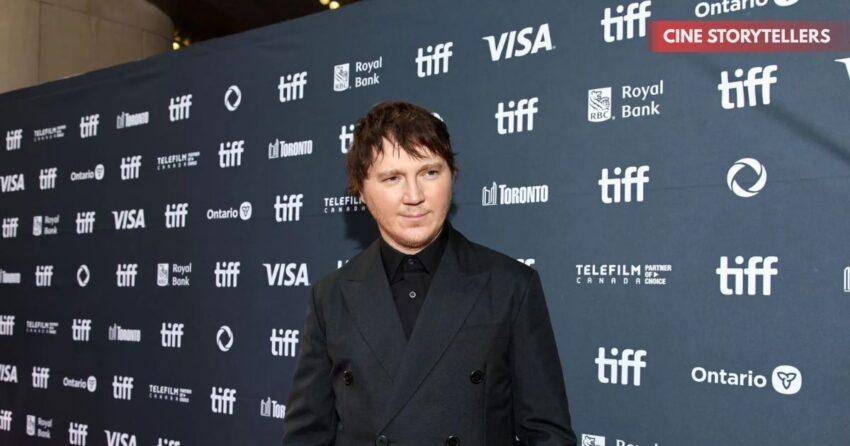
Quentin Tarantino recently revisited There Will Be Blood and shocked fans with a blunt, unexpected critique of Paul Dano’s performance in the movie. Calling it the film’s “big flaw,” he triggered a heated conversation among film lovers, critics, and actors. This article breaks down why Tarantino said what he said, why the backlash is so intense, and how this moment is influencing today’s film discussions.
Quentin Tarantino’s Blunt Take on Paul Dano Has Set the Film World Buzzing
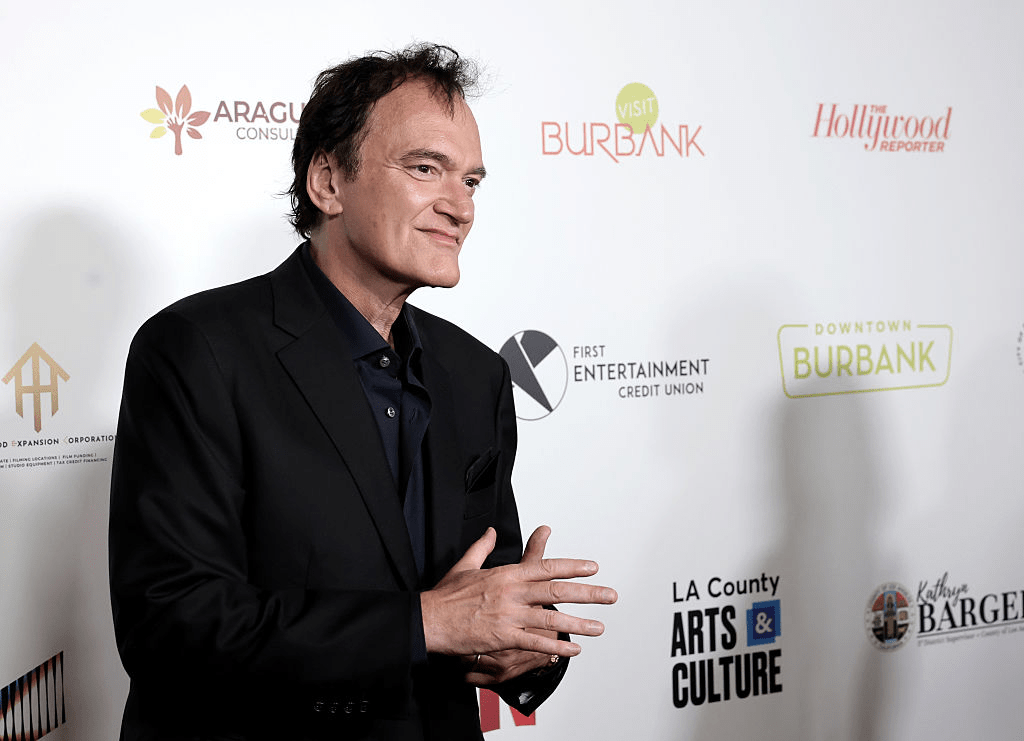
Quentin Tarantino has never been shy about sharing his opinions, but his latest comment about Paul Dano has genuinely surprised even his most loyal followers. Tarantino—a director known for sharp dialogue and sharper honesty—took aim at Dano’s performance in There Will Be Blood, one of the most critically acclaimed films of the 21st century.
What followed was an immediate online explosion. Film fans began arguing, actors chimed in, cinephiles revisited the film, and new debates about acting styles and character dynamics surfaced everywhere from TikTok to film forums.
Here’s what happened—and why this suddenly matters.
Tarantino’s Comment That Sparked the Controversy
The Unexpected Critique
During a recent appearance on a podcast, Tarantino praised There Will Be Blood as a remarkable cinematic achievement. But then he dropped the bombshell: he believes the film has one major issue, and in his view, that issue is Paul Dano’s performance as Eli and Paul Sunday.
He didn’t frame it as a minor flaw either; he referred to the performance as “weak” and lacking the force needed to balance Daniel Day-Lewis’s iconic role as Daniel Plainview.
Why It Hit a Nerve
Paul Dano is widely known for his emotionally complex, often unsettling performances. Over the years, he has built a reputation as one of the most nuanced actors of his generation.
So when Tarantino called his work “the problem” in a beloved classic, many felt it crossed a line—from critique into unnecessary harshness.
This wasn’t a typical review.
It was a rare moment when a legendary director publicly challenged the work of another respected artist in a film widely regarded as a masterpiece.
Understanding Tarantino’s Perspective
He Wanted a ‘Two-Titan’ Dynamic
Tarantino expressed that There Will Be Blood was structured as a duel between two opposing forces—Plainview and Sunday. In his view, the story would have been even more powerful if both sides carried the same intensity.
Daniel Day-Lewis famously delivered one of the strongest performances of his career, overshadowing nearly everyone on screen. Tarantino’s argument boils down to this:
Dano was good, but not equal.
And in his eyes, a film of that magnitude deserved a direct counterweight to Day-Lewis.
Is That a Fair Assessment?
This depends entirely on how one interprets the film.
Some see Sunday as a character meant to be brittle, insecure, unsteady—a stark contrast to Plainview’s explosive dominance. Others view the casting as a brilliant pairing of raw power versus calculated restraint.
But Tarantino’s belief is clear: influence, presence, and energy matter deeply when two characters are written as rivals.
Why Film Fans Are Defending Paul Dano So Strongly
Dano’s Role Was Never About Out-Shining
Many fans argue that the “imbalance” Tarantino pointed out was intentional.
Plainview wasn’t meant to have an equal—he was meant to overpower everyone, including the preacher who challenges him.
Dano’s frail intensity reflects the character’s insecurity and desperation. His portrayal highlights the film’s emotional themes: corruption, ego, greed, and spiritual vulnerability.
A Different Acting Style Isn’t a Weakness
Paul Dano’s craft leans toward subtlety, psychological tension, and unnerving quiet moments. In contrast, Tarantino’s taste gravitates toward actors with loud, electric, scene-dominating charisma.
These styles are simply different—not inferior.
The Film’s Legacy Says a Lot
The movie is still regarded as one of the greatest films of its generation. Its acclaim, awards, and longevity raise the question:
If Dano’s performance was such a flaw, would the film still be considered a masterpiece today?
Many fans say the answer is no.
Why This Debate Is Bigger Than One Movie
It Highlights How Subjective Acting Truly Is
Acting isn’t math—you can’t measure it with a formula. Different roles demand different flavors of performance, and what resonates with one viewer may fall flat with another.
Tarantino’s direct, high-energy filmmaking style may not value the same qualities that drew others to Dano’s performance.
It Shows How Much Influence Iconic Filmmakers Still Hold
Whether one agrees or disagrees, Tarantino’s comments immediately sparked widespread discourse. His voice carries weight, and when he critiques someone, it shakes the industry.
This moment reminds us that influential creators still shape how audiences revisit and reinterpret classics.
It Opens Up Conversation About ‘Balanced Casting’
Is it a film’s responsibility to match actors’ intensity?
Or is a story better served when characters are played with deliberate contrast?
This debate is giving fans a reason to revisit the film—not just to watch it, but to examine it.
How Paul Dano Fits Into Today’s Landscape of Actors
A Master of Subtlety
Dano’s appeal has always been rooted in emotional complexity, quiet tension, and layered psychological expression. His characters don’t often scream—they simmer.
A Career Built on Risky Choices
From villainous roles to introspective dramas, he has consistently chosen parts that make audiences think rather than merely react.
A Performer Who Trusts Vulnerability
Where some actors lean into power, Dano leans into discomfort and fragility. That alone sets him apart in an industry that often glorifies larger-than-life charisma.
Why People Are Revisiting “There Will Be Blood” All Over Again
Tarantino’s comments didn’t just trigger arguments—they sent viewers straight back to Netflix, DVD shelves, and streaming libraries to rewatch the film with fresh eyes.
Many viewers now want to see:
- Did Dano’s performance really weaken the film?
- Did his character dynamics work as originally intended?
- Are fans simply protective because the film is beloved?
The result is a renewed appreciation—or re-evaluation—of a modern classic.
The Bigger Lesson: Critique Is a Part of Art, Not the End of It
Tarantino’s viewpoint is a reminder that even masterpieces aren’t perfect in everyone’s eyes.
And that’s the beauty of cinema.
Art thrives on interpretation.
On disagreement.
On conversation.
What matters most is the discussion that keeps the film alive all these years later.
Also Read : Mario Lopez & Courtney Lopez Mark 13 Years of Love – Inside Their Sweet Anniversary Celebration
FAQ
What exactly did Quentin Tarantino say about Paul Dano?
He said Paul Dano’s performance in There Will Be Blood was the film’s biggest flaw and described it as lacking the strength needed to match Daniel Day-Lewis.
Why did his comments spark such a big reaction?
Because the film is widely considered a masterpiece, and most fans believe Dano’s performance is one of the reasons it works so well.
Did Paul Dano ever respond?
As of now, he has not publicly commented on Tarantino’s critique.
Does this change how the film is viewed?
Not really. If anything, it has encouraged more people to revisit the movie and re-examine its performances.
Is Tarantino known for being blunt?
Absolutely. He has a reputation for unfiltered honesty, which is part of why his opinions often go viral
Join our WhatsApp channel for more updates and information about celebrities and entertainment.

I’m Atul Kumar, founder of Cine Storytellers and an entertainment creator with 5+ years of experience. I cover films, celebrities, music, and OTT content with a focus on accurate, ethical, and engaging storytelling. My goal is to bring readers trustworthy entertainment news that informs, inspires, and goes beyond gossip.
Discover more from Cine Storytellers
Subscribe to get the latest posts sent to your email.