
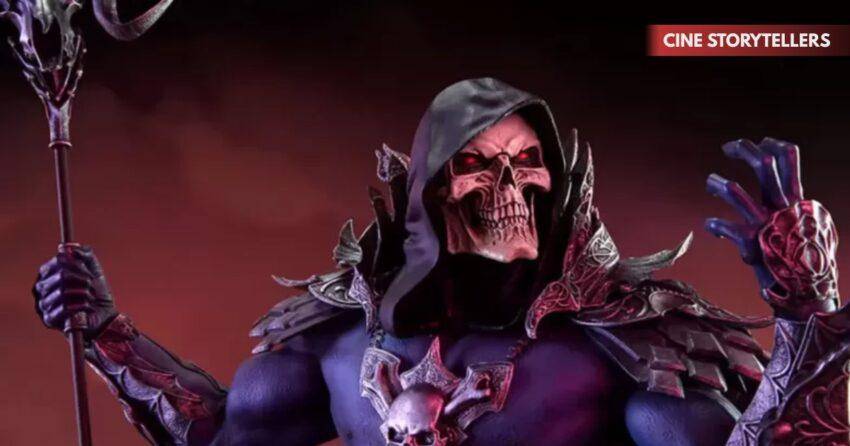
The upcoming Masters of the Universe movie is already generating intense conversation, and much of it centers on one character: Skeletor. Played by Jared Leto, the legendary villain is being reimagined with deeper psychological layers and a modern thematic edge. Rather than portraying Skeletor as a cartoonish embodiment of evil, the film explores him as a character driven by power, insecurity, and destructive obsession. This shift has divided fans, sparked debate, and placed the reboot firmly in the spotlight. Here’s a deep look at what this new version of Skeletor represents and why it could redefine the franchise.
Why Masters of the Universe Is Back in the Spotlight

For decades, Masters of the Universe has lived in the hearts of fans who grew up with its larger-than-life heroes and villains. The franchise has always balanced fantasy, action, and mythology, but translating that energy into live-action has proven challenging.
The new film aims to change that by grounding the story emotionally while preserving its epic scale. Instead of relying solely on nostalgia, the filmmakers are leaning into character depth and thematic relevance — and nowhere is that approach clearer than in their version of Skeletor.
This reboot isn’t just revisiting Eternia. It’s rethinking what its most iconic villain represents.
Jared Leto’s Casting as Skeletor Explained
Casting Jared Leto as Skeletor immediately signaled that this wouldn’t be a safe or predictable adaptation. Leto is known for intense, immersive performances that lean into psychology rather than surface-level traits.
Rather than choosing an actor who would simply recreate Skeletor’s familiar menace, the filmmakers selected someone capable of exploring contradictions — charisma mixed with cruelty, confidence masking insecurity, and intelligence twisted by obsession.
This choice alone reframed expectations. Fans weren’t just waiting to see Skeletor return. They were preparing to see him reinterpreted.
A Villain Reimagined for a Modern Audience
Classic Skeletor thrived on theatrics — booming threats, dramatic gestures, and unmistakable villain energy. While those elements haven’t been abandoned, the new film adds something deeper: motivation.
This Skeletor isn’t evil simply because the story needs a bad guy. He’s driven by an obsession with control, dominance, and validation. Power isn’t just a goal — it’s a necessity, filling a void that can never truly be satisfied.
That psychological framing gives Skeletor weight, making him more than an obstacle for He-Man. He becomes a reflection of what unchecked ambition can turn into.
Also Read : Sabrina Impacciatore Shines at 2026 Winter Olympics Opening Ceremony in Milan
Understanding the “Toxic Masculinity” Conversation
One phrase associated with this version of Skeletor has sparked particularly strong reactions: toxic masculinity.
In the context of the film, this doesn’t mean a political statement or moral lecture. Instead, it refers to Skeletor’s defining traits — his need to dominate, inability to accept vulnerability, and belief that strength equals control over others.
These characteristics fuel his rise and ultimately contribute to his downfall. By framing Skeletor this way, the film gives audiences a villain whose flaws are recognizable and disturbingly human, even within a fantasy setting.
It’s a shift from cartoon evil to character-driven conflict.
Keeping the Iconic Look Intact
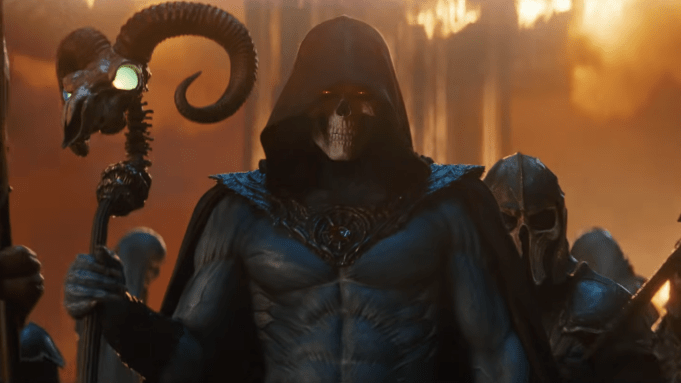
While the character’s inner life has evolved, the filmmakers made a deliberate choice to preserve Skeletor’s iconic appearance.
The skull face remains central to the design, reinforcing that this is still the Skeletor fans recognize. The goal isn’t to erase the past, but to build on it — combining classic visuals with modern storytelling.
This balance helps anchor longtime fans while giving new audiences a visually striking antagonist who feels timeless rather than outdated.
How Skeletor Fits Into the Film’s Story
In the new Masters of the Universe, Eternia isn’t just under threat — it’s already suffering the consequences of Skeletor’s rule. This shifts the narrative from a simple invasion story to one about recovery, resistance, and identity.
Skeletor represents a world shaped by fear and control, while He-Man’s journey centers on responsibility and self-acceptance. Their conflict isn’t just physical; it’s ideological.
This dynamic gives the story emotional stakes beyond winning or losing a battle. It becomes a question of what kind of power deserves to rule.
Jared Leto’s Performance Style and What It Brings
Leto’s approach to acting often emphasizes physicality, voice, and internal conflict. Those traits align naturally with a character like Skeletor, who is both visually striking and emotionally volatile.
Rather than leaning into exaggerated villainy, this performance is expected to explore restraint, unpredictability, and moments of unsettling calm. That unpredictability can be more intimidating than constant rage.
The result is a Skeletor who commands attention not just when he speaks, but when he pauses.
Fan Reactions: Excitement Meets Skepticism
As expected, reactions to this reimagining have been mixed.
Some fans welcome the added depth, arguing that franchises must evolve to remain relevant. Others worry that modern themes could overshadow the fun and simplicity that made Masters of the Universe beloved in the first place.
This divide reflects a broader trend in pop culture reboots — the tension between honoring nostalgia and embracing reinvention. Regardless of where fans stand, the conversation itself proves that the film has already captured attention.
Also Read : Billy Crudup Opens Up About Love, Marriage, Fame and Life Lessons
Why This Approach Could Strengthen the Franchise
Giving Skeletor a psychological foundation doesn’t weaken him — it makes him more dangerous.
Villains who believe they are justified are often more compelling than those who simply enjoy chaos. By grounding Skeletor’s actions in belief and insecurity, the film creates a character who feels capable of real damage, not just theatrical threats.
That depth could elevate Masters of the Universe beyond a single movie, opening the door for long-term storytelling and expanded world-building.
The Risk of Reinventing a Beloved Villain
Of course, reinvention comes with risk.
Fans have a strong emotional connection to Skeletor as he’s always been. Any deviation invites scrutiny, especially when it introduces contemporary language or themes.
The film’s success may hinge on execution — whether it integrates these ideas organically or allows them to overshadow character and story. If handled carefully, the new Skeletor could become the definitive live-action version. If not, it could alienate part of the fanbase.
Why This Version of Skeletor Matters Now
Modern audiences expect more from villains. Motivation, depth, and consequence matter as much as spectacle.
This Skeletor reflects that shift. He’s not just a symbol of evil, but a cautionary figure — showing how obsession with dominance ultimately destroys both the world around him and himself.
That relevance helps explain why the character is resonating even before the film’s release.
What This Means for He-Man’s Journey
A stronger villain demands a stronger hero.
By giving Skeletor psychological weight, the film raises the bar for He-Man’s transformation. Strength alone won’t be enough. Leadership, empathy, and self-knowledge become equally important.
This dynamic could make He-Man’s arc more meaningful, turning the story into a genuine hero’s journey rather than a simple clash of muscles and magic.
Final Thoughts
Masters of the Universe isn’t just returning — it’s evolving.
Jared Leto’s Skeletor represents a bold attempt to modernize a classic villain without erasing what made him iconic. By blending familiar visuals with deeper themes, the film positions itself as both a tribute and a reinvention.
Whether fans ultimately embrace this version or debate it for years, one thing is certain: Skeletor is no longer just a cartoon villain. He’s a character meant to challenge, provoke, and linger long after the credits roll.
Also Read : Kay Adams Career Journey: How the FanDuel TV Host Became a Sports Media Powerhouse
FAQs
Who plays Skeletor in the new Masters of the Universe movie?
Jared Leto portrays Skeletor in the upcoming live-action adaptation.
How is this version of Skeletor different?
This Skeletor is more psychologically complex, driven by control, insecurity, and obsession rather than pure villainy.
Does Skeletor still look like the classic character?
Yes. The iconic skull face and overall design remain central to his appearance.
Why is the term “toxic masculinity” associated with Skeletor?
It reflects the character’s destructive need for dominance and inability to accept vulnerability, not a political message.
Will this change affect longtime fans?
Reactions are mixed, but the filmmakers aim to balance nostalgia with modern storytelling.
Join our WhatsApp channel for more updates and information about celebrities and entertainment.


I’m Atul Kumar, founder of Cine Storytellers and an entertainment creator with 5+ years of experience. I cover films, celebrities, music, and OTT content with a focus on accurate, ethical, and engaging storytelling. My goal is to bring readers trustworthy entertainment news that informs, inspires, and goes beyond gossip.