
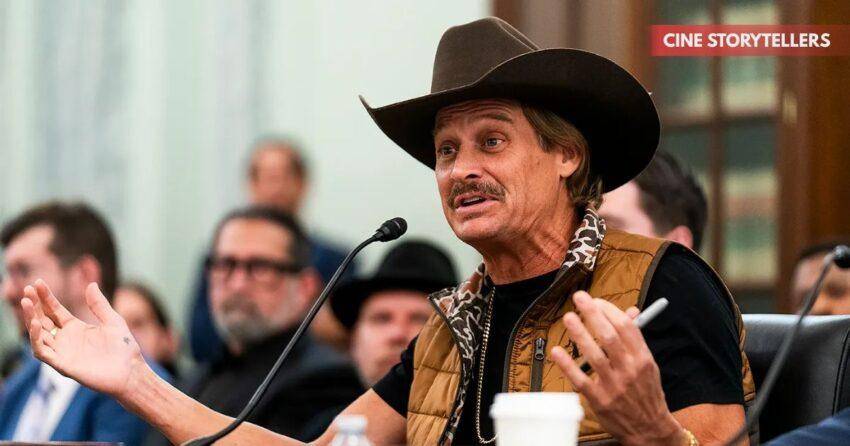
Kid Rock’s decision to headline Turning Point USA’s alternative Super Bowl halftime show has turned what is usually a music-only conversation into a full-blown cultural flashpoint. Positioned as a counter to the NFL’s official halftime performance, the TPUSA-backed event blends entertainment, politics, and ideology in a way that has drawn praise from supporters and criticism from others. This article breaks down what the alternative halftime show is, why it exists, how Kid Rock fits into the moment, and what it says about the growing intersection of pop culture and political identity in America.
What Is the Kid Rock–TPUSA Halftime Show?

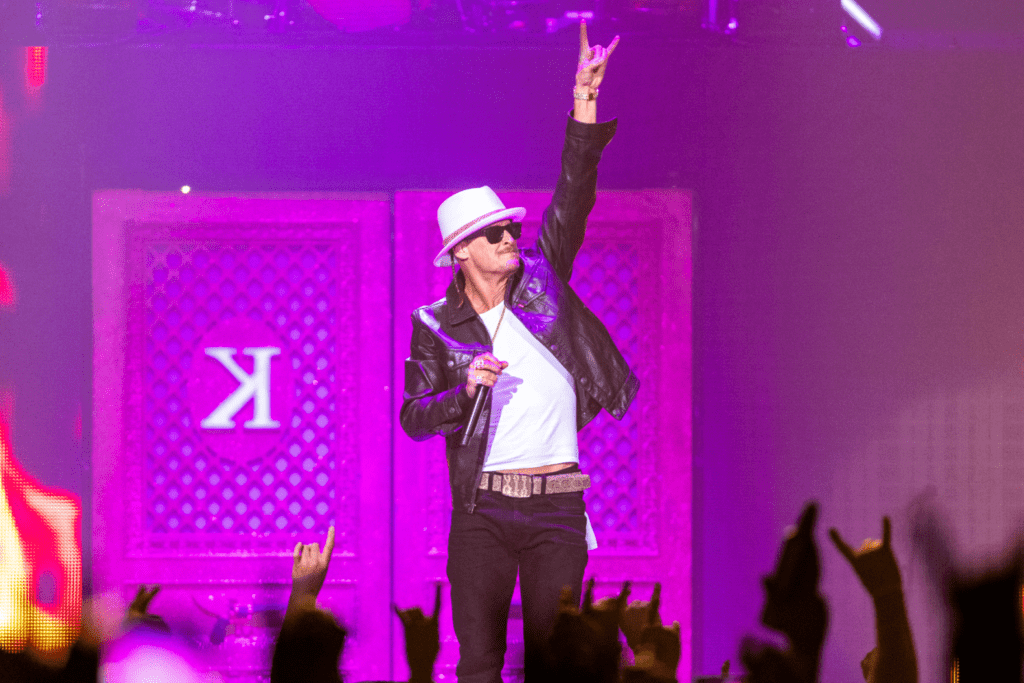
The alternative halftime show headlined by Kid Rock is a counter-programming event organized by conservative activist group Turning Point USA. Scheduled to air during the same window as the official Super Bowl halftime show, it’s designed to offer viewers a different option—one that leans heavily into themes of patriotism, traditional values, and cultural pushback.
Rather than competing directly with the NFL in the stadium, the show will stream across multiple platforms, making it accessible to viewers who intentionally choose not to watch the official halftime performance. The idea isn’t to replace the Super Bowl show, but to challenge it symbolically.
Why Turning Point USA Created an Alternative Halftime
Turning Point USA has framed the event as a response to dissatisfaction with the NFL’s choice of halftime performers and the league’s broader cultural direction. For TPUSA and its supporters, the Super Bowl represents a national moment, and they argue that it should reflect what they consider “mainstream American values.”
The alternative show is less about ratings and more about messaging. By launching a parallel event, TPUSA is asserting that cultural influence doesn’t belong exclusively to legacy institutions like the NFL—it can be contested, reframed, and redistributed through digital platforms.
Why Kid Rock Was the Obvious Choice
Kid Rock’s involvement didn’t come out of nowhere. Over the years, he has cultivated a public persona that blends rock, country, and outspoken political opinions. He’s long positioned himself as an artist who speaks for people who feel alienated by Hollywood, mainstream media, and corporate entertainment.
From his music to his public statements, Kid Rock has leaned into a blue-collar, anti-establishment identity. That makes him a natural fit for an event designed to challenge one of the biggest entertainment institutions in the world.
Kid Rock and the Super Bowl: Not His First Rodeo
This isn’t Kid Rock’s first connection to the Super Bowl. He previously performed as part of a high-profile halftime lineup in the early 2000s, giving him firsthand experience with the scale and symbolism of the event.
That history adds an extra layer to his participation in the alternative show. This time, he’s not part of the NFL’s spectacle—he’s standing outside it, offering a deliberate contrast rather than a complement.
The Official Halftime Show and the Cultural Divide
The NFL’s official halftime show has evolved dramatically over the years, increasingly emphasizing global pop stars and diverse musical styles. For some fans, this evolution reflects progress and inclusivity. For others, it feels disconnected from their idea of American tradition.
The existence of a counter-halftime show highlights how fragmented the audience has become. What was once a shared cultural experience is now something viewers actively choose to opt into—or out of—based on identity and values.
Entertainment or Political Statement?
One of the biggest debates surrounding the Kid Rock–TPUSA halftime show is whether it should be viewed as entertainment, activism, or something in between. Supporters argue that all major cultural events carry implicit values, and this show is simply being more honest about its stance.
Critics counter that turning a music performance into a political statement undermines the unifying power of the Super Bowl. To them, the alternative show represents another example of how deeply politics has seeped into everyday entertainment.
Also Read : Heidi Klum Grammys 2026 Dress: Bold, Sculpted, and Unforgettable
How the Show Will Be Broadcast
Unlike the NFL’s halftime show, which airs on traditional television and reaches a global audience, the alternative halftime will rely on streaming and cable-friendly platforms. This distribution strategy reflects changing media habits, especially among politically engaged audiences.
By focusing on digital channels, the organizers are betting on engagement rather than sheer numbers. Even a smaller audience can have outsized influence if it’s motivated and vocal.
Public Reaction: Applause and Backlash
Reaction to the announcement has been sharply divided. Supporters praise Kid Rock for “standing his ground” and providing an option they feel better represents them. On social media, many fans frame the show as a form of cultural resistance.
On the other side, critics dismiss the event as performative or unnecessary, questioning whether it can truly compete with the scale and production value of the NFL’s show. Some also argue that it deepens cultural divides instead of bridging them.
The Bigger Picture: Culture Wars and Live Events
The Kid Rock halftime controversy isn’t really about one artist or one performance. It’s about how live events have become symbolic battlegrounds in larger cultural debates.
Sports, music, and entertainment used to function as escape valves—places where people could temporarily step away from politics. Increasingly, those spaces are becoming arenas where ideological differences are openly negotiated.
What This Means for the Future of the Super Bowl
While the alternative halftime show is unlikely to rival the NFL’s event in terms of viewership, it could signal a shift in how audiences engage with major cultural moments. Choice, rather than consensus, may become the defining feature of future events.
Instead of one shared experience, viewers may increasingly curate their own parallel versions—each aligned with their values, tastes, and beliefs.
Kid Rock’s Legacy in a Polarized Era
For Kid Rock, this moment further cements his role as a polarizing figure. To fans, he’s authentic and fearless. To critics, he’s provocative and divisive. Either way, his participation ensures the alternative halftime show won’t be ignored.
In an era where attention is currency, that visibility may be exactly the point.
Also Read : Lady Gaga Grammys 2026 Feathered Gown – Bold Fashion Moment Explained
FAQs
What is the Kid Rock alternative halftime show?
It’s a Turning Point USA–organized music event headlined by Kid Rock, airing during the Super Bowl halftime as an alternative to the NFL’s official show.
Why did Turning Point USA create this event?
TPUSA says the show is meant to offer entertainment aligned with its values and provide an option for viewers dissatisfied with the NFL’s halftime choice.
Will the alternative show be on TV?
It will primarily stream on digital platforms and select cable-friendly outlets rather than major broadcast networks.
Is Kid Rock performing at the official Super Bowl halftime?
No. He is headlining a separate, independently produced event airing at the same time.
Does this affect the NFL halftime show?
Directly, no—but it adds cultural and political context to how audiences experience Super Bowl Sunday.
Join our WhatsApp channel for more updates and information about celebrities and entertainment.


I’m Atul Kumar, founder of Cine Storytellers and an entertainment creator with 5+ years of experience. I cover films, celebrities, music, and OTT content with a focus on accurate, ethical, and engaging storytelling. My goal is to bring readers trustworthy entertainment news that informs, inspires, and goes beyond gossip.