
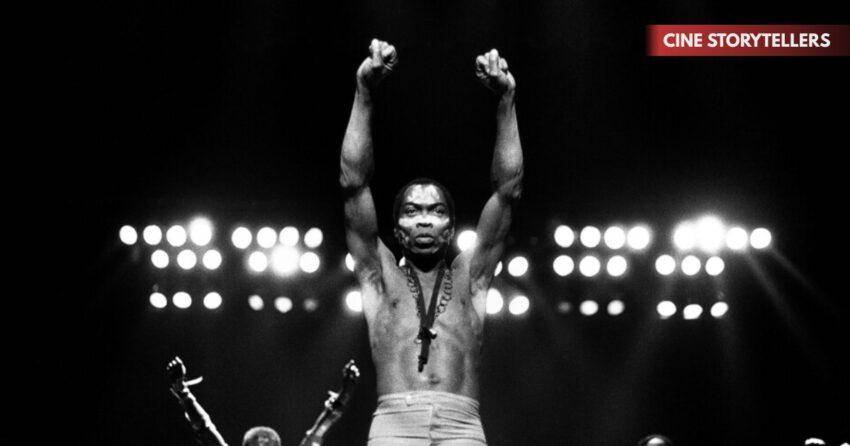
Fela Anikulapo Kuti, the legendary Nigerian musician and Afrobeat pioneer, has achieved a historic milestone by becoming the first African artist ever to receive the Grammy Lifetime Achievement Award. The award, presented posthumously at the 2026 Grammy Special Merit Awards in Los Angeles, celebrates his immense contributions to music, culture, and activism. Known for blending traditional African rhythms with jazz, funk, and political commentary, Fela’s work has inspired generations of musicians worldwide. This article explores Fela’s life, the significance of the Grammy honor, his enduring influence on global music, and why his recognition marks a pivotal moment for African artistry.
Who Was Fela Anikulapo Kuti?

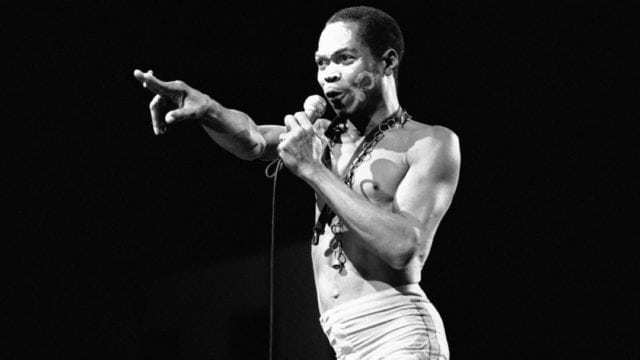
Fela Anikulapo Kuti, born Olufela Olusegun Oludotun Ransome-Kuti in 1938 in Abeokuta, Nigeria, was not just a musician — he was a revolutionary force. From a young age, Fela displayed a profound talent for music, eventually studying at Trinity College of Music in London, where he was exposed to jazz and Western musical traditions.
Upon returning to Nigeria, he blended these influences with traditional Yoruba rhythms and highlife, eventually creating a revolutionary sound known as Afrobeat. This genre became his signature, distinguished by:
- Polyrhythmic grooves and layered percussion
- Funk-inspired horn sections
- Lyrics addressing social injustice, corruption, and political oppression
Fela’s music wasn’t just entertainment; it was a vehicle for activism, challenging military rule in Nigeria and giving voice to the marginalized. Over his career, he released more than 50 albums and became a symbol of artistic courage and African identity.
Also Read : The 50 Reality Show India 2026: Air Date, OTT Streaming, Contestants, Format & Highlights
The Grammy Lifetime Achievement Award: A Historic Moment
In 2026, the Recording Academy presented Fela Kuti with the Grammy Lifetime Achievement Award, making him the first African to receive this prestigious honor. The award recognizes artists whose contributions to music have had lasting artistic significance, celebrating not only talent but also influence.
The award ceremony took place at the Grammy Special Merit Awards in Los Angeles on January 31, 2026, just before the main Grammy Awards show. Fela’s children, including Femi Kuti and Yeni Kuti, proudly accepted the honor on his behalf. Other notable honorees that year included Cher, Whitney Houston, Carlos Santana, Paul Simon, and Chaka Khan, placing Fela among the most revered figures in music history.
This recognition is monumental, signaling international acknowledgment of African music and cementing Fela’s role as a global icon.
Why Fela Kuti’s Grammy Matters
Fela’s posthumous Grammy carries profound significance for multiple reasons:
1. African Music Gets Global Recognition
For decades, African music influenced global trends without receiving commensurate recognition. Fela’s award highlights the central role of African artists in shaping modern music, inspiring genres such as Afrobeats, which dominate global charts today. Artists like Burna Boy, Wizkid, Tems, and Yemi Alade owe part of their success to Fela’s pioneering work.
2. Validation of Political Artistry
Fela’s music was never neutral; it confronted corruption, inequality, and authoritarian regimes. By honoring him, the Grammys recognize the power of music as social commentary, affirming that political and artistic courage can coexist.
3. Inspiration for Future Generations
For young African musicians and artists worldwide, this award is both a validation and a call to boldness. It demonstrates that African creativity can resonate globally and that artistic authenticity is celebrated on the highest stages.
4. Bridging Cultural Gaps
Honoring Fela alongside artists from diverse genres emphasizes the universality of music, showing that artistry transcends borders, languages, and genres.
Fela Kuti’s Musical Legacy
Fela’s influence on music is multifaceted. He not only invented Afrobeat but also inspired decades of cultural, musical, and political thought.
The Birth of Afrobeat
Afrobeat fused traditional African rhythms with jazz, funk, and soul, creating a sound that was both danceable and deeply political. Its long, hypnotic grooves became a hallmark of Fela’s style, inviting listeners to move while reflecting on societal issues.
Kalakuta Republic: Music and Activism
Fela’s communal compound, Kalakuta Republic, served as both home and recording studio, functioning as a symbol of resistance against oppressive Nigerian governments. Songs like “Zombie” directly challenged the military, leading to raids and persecution. Yet Fela remained defiant, solidifying his role as a musical activist.
Influence on Global Artists
From Beyoncé to Paul McCartney, Fela’s rhythms and arrangements have been sampled, referenced, and celebrated worldwide. Modern Afrobeats artists, such as Burna Boy and Wizkid, build on his foundation, merging global sounds with African heritage.
Family Reflections
At the Grammy ceremony, Fela’s children shared heartfelt words:
- Femi Kuti emphasized that the recognition was a “win for Africa and world peace,” highlighting the broader cultural impact beyond music.
- Yeni Kuti remarked on how the award validates Fela’s decades-long contributions, decades after his passing.
Their presence underscored a generational continuity, as Fela’s legacy continues through his family and the global Afrobeat movement.
The Broader Impact on African Music
Fela’s Grammy is part of a larger trend:
- The Grammy Awards introduced the Best African Performance category in 2024, reflecting a growing recognition of African artists.
- African music is increasingly featured on global streaming platforms, award shows, and festivals, elevating both commercial and critical visibility.
Fela’s recognition encourages a new era of African cultural influence, inspiring emerging artists to innovate while embracing their roots.
How Fela’s Work Continues to Inspire
Even 25 years after his death in 1997, Fela’s music is relevant:
- Felabration, the annual Lagos festival celebrating Fela, draws fans worldwide.
- His songs are sampled, remixed, and played in clubs globally, bridging generations.
- Academics, musicians, and political activists study his work as a model for combining artistry with advocacy.
Fela’s music remains a living legacy, proving that impactful art can transcend time, geography, and language.
Key Takeaways
- Fela Kuti is the first African artist to receive a Grammy Lifetime Achievement Award.
- His work revolutionized music with Afrobeat, blending African traditions with global influences.
- He used his platform to challenge injustice and advocate for political freedom.
- The award highlights Africa’s role in global music culture and inspires future generations.
- Fela’s family continues his mission through music, activism, and cultural preservation.
Also Read : Travis Scott & Kylie Jenner Celebrate Stormi and Aire’s Birthdays
FAQs
Who was Fela Kuti?
Fela Anikulapo Kuti was a Nigerian musician, composer, and activist, known as the pioneer of Afrobeat, blending traditional African rhythms with jazz, funk, and political lyrics.
What award did he receive?
He received the Grammy Lifetime Achievement Award in 2026, becoming the first African to earn this honor.
Where was the award presented?
The award was presented at the Grammy Special Merit Awards Ceremony in Los Angeles.
Who accepted the award on his behalf?
Fela’s children, including Femi Kuti and Yeni Kuti, accepted the award.
Why is this recognition important?
It acknowledges the global influence of African music, validates Afrobeat as a culturally significant genre, and celebrates Fela’s artistic courage and political activism.
How does Fela’s legacy continue today?
Through festivals like Felabration, global Afrobeat music, academic study, and ongoing influence on contemporary artists worldwide.
Join our WhatsApp channel for more updates and information about celebrities and entertainment.


I’m Atul Kumar, founder of Cine Storytellers and an entertainment creator with 5+ years of experience. I cover films, celebrities, music, and OTT content with a focus on accurate, ethical, and engaging storytelling. My goal is to bring readers trustworthy entertainment news that informs, inspires, and goes beyond gossip.