
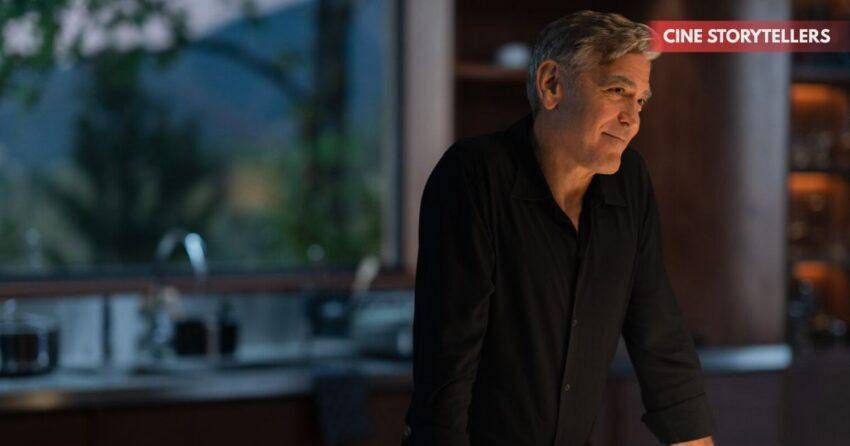
Jay Kelly isn’t your typical Hollywood drama. It’s a reflective, emotionally layered film that follows a fading superstar confronting the cost of his own fame. With powerful, vulnerable performances from George Clooney and Adam Sandler, and Noah Baumbach’s subtle storytelling, the movie turns into a gentle but affecting meditation on identity, regret, and second chances. This review takes a deep dive into why the film resonates, where it falters, and why it continues to spark conversation across audiences.
Jay Kelly Review: A Heartfelt Journey Through Fame, Failure, and Finding Yourself

Jay Kelly arrives in a movie landscape filled with spectacle, sequels, and cinematic universes. Instead of trying to outdo the loudness of Hollywood, it does the opposite — it quiets everything down. It invites you to sit, breathe, and enter the emotional space of a man whose life has been defined by applause, yet shaped by emptiness.
At the film’s center is Jay Kelly, a once-beloved Hollywood icon who’s now mostly coasting on nostalgia. He’s on his way to receive a lifetime achievement honor in Europe, accompanied by his long-time manager and closest companion, Ron. What seems like a celebratory trip slowly becomes a reckoning — with his past, with his choices, and, most painfully, with himself.
Below is a deep dive into what makes the film work, what holds it back, and why it stands out as one of the most thoughtful releases of the year.
The Story Behind the Spotlight
The premise is deceptively simple: an aging star preparing for a gala honoring his career. But beneath that surface lies a story about loss, loneliness, and the price of building a life that looks perfect only from far away.
As Jay travels through cities and memories, the movie shows pieces of the life he left behind — broken family ties, romantic regrets, friendships that faded as fame grew. The journey becomes symbolic, not scenic. Every stop reveals another layer of Jay’s emotional burden and Ron’s quiet sacrifices.
This is not a film about Hollywood glamour. It’s a film about the exhaustion of pretending everything is fine.
Why the Film Connects: A Look at Its Strengths
George Clooney’s Vulnerable, Career-Reshaping Performance
Clooney plays Jay with a kind of aching restraint. He’s still charming, still magnetic, but underneath it all is a heaviness — a sadness that’s never directly stated, only felt. You can see it in the way he hesitates before speaking, the way he avoids eye contact when painful topics arise, the way he looks at his own past with a mixture of shame and nostalgia.
He embodies the loneliness that comes with being adored by millions yet known by almost no one.
Adam Sandler’s Shockingly Powerful Dramatic Turn
Though Clooney leads, Sandler quietly steals the film.
He plays Ron, Jay’s manager, protector, friend, and emotional anchor. Ron has shaped his life around Jay’s success — sometimes willingly, sometimes helplessly. Sandler brings warmth, frustration, loyalty, and heartbreak to the role, making Ron feel painfully real.
Some of the film’s most moving moments come when Ron’s loyalty cracks, if only for a heartbreaking second.
A Thoughtful Script Focused on Emotional Truth
Instead of flashy dialogue or dramatic monologues, the film is built on small, authentic moments:
- awkward pauses
- unfinished sentences
- quiet confessions
- lingering glances
- unspoken hurt
Noah Baumbach’s writing leans into simplicity — not because the story is small, but because the emotions are big. The restraint makes the emotions land even harder.
A Fresh Take on Celebrity Stories
We’ve seen movies about actors struggling with fame before, but Jay Kelly approaches it from a fresh angle.
There’s no fall-from-grace spectacle, no dramatic scandal. Instead, the film explores what happens after decades of fame:
the emptiness, the isolation, the longing for a life that might have been.
It’s about the emotional toll of being public property.
Where the Film Stumbles
A Bit Too Polished for Its Own Good
While the film aims for emotional rawness, it sometimes feels overly neat. There are moments where the screenplay chooses tidiness over truth, especially during confrontations that resolve too quickly or scenes that appear softened for accessibility.
The emotional messiness of real life is sometimes missing.
Meandering Pacing
The film’s slow burn works beautifully in many sequences, but there are stretches — especially in the middle — where the story loses momentum. Certain detours feel unnecessary, and a few side characters appear more symbolic than fully developed.
Viewers looking for a sharper arc or faster progression may feel impatient.
Meta Elements That May Not Land for Everyone
The film occasionally leans into self-referential storytelling — clips of Jay’s old movies, conversations about his past roles, commentary on Hollywood. While some will find this clever, others may feel it borders on indulgent.
For viewers less invested in celebrity introspection, these moments may feel a bit heavy-handed.
Why Jay Kelly Stands Out in 2025
Despite its imperfections, the film carries a rare emotional honesty.
It Tackles the Universal Crisis of “What Now?”
Whether you’re a celebrity or not, many people reach a point where they start asking:
- What did I sacrifice?
- Who have I become?
- Is it too late to change?
The movie taps into that universal fear and longing.
It Shows the Pain Behind the Applause
Fame looks shiny from the outside.
But the film reminds us that applause is temporary — and silence lasts longer.
Jay’s loneliness, regret, and fear of irrelevance feel grounded in reality.
It Celebrates Human Imperfection
There’s no perfect redemption arc here.
No magical fix.
No final moment where everything becomes okay.
Instead, the ending feels human — hopeful yet unresolved, like real life.
Also Read : Rachel Zoe Divorces Rodger Berman After 26 Years: Inside the Real Reason Behind the Split
Final Verdict: Should You Watch It?
If you love character-driven films, thoughtful emotional storytelling, and performances that reveal more in silence than in dialogue, Jay Kelly will stay with you long after the credits roll.
If you prefer fast-paced storytelling, heavy plot twists, or high-energy drama, this may feel too slow or too introspective.
But for what it is — a soft, beautifully acted meditation on regret and rediscovery — it succeeds with sincerity and heart.
Also Read : Where to Watch Jay Kelly: Theaters, Streaming Date, Story Details, and Everything to Know
FAQ
Q: What is the central theme of Jay Kelly?
The film explores the emotional cost of fame, the weight of regrets, and the struggle to reconnect with one’s authentic self.
Q: Is it a fast-paced film?
No. It’s intentionally slow, reflective, and focused on character depth rather than plot twists.
Q: Who delivers the best performance?
Both leads shine, but Adam Sandler’s tender, emotional portrayal of Ron is widely considered the standout.
Q: Is the movie family-friendly?
It’s more suited for adults due to its emotional themes, pacing, and mature reflections on life and relationships.
Q: Is Jay Kelly worth watching in theaters?
Absolutely — the atmosphere, performances, and intimate cinematography are even more impactful on the big screen.
Join our WhatsApp channel for more updates and information about celebrities and entertainment.


I’m Atul Kumar, founder of Cine Storytellers and an entertainment creator with 5+ years of experience. I cover films, celebrities, music, and OTT content with a focus on accurate, ethical, and engaging storytelling. My goal is to bring readers trustworthy entertainment news that informs, inspires, and goes beyond gossip.