
The streaming series Welcome to Derry, a prequel to the classic horror saga, hit a raw nerve with its latest instalment — the “Black Spot” episode. Unlike typical supernatural scares, this episode mixes real-world violence, racial tension, and psychological horror to deliver a story that unsettles long after the screen fades to black. Fans and critics are split: some praise the unflinching realism and social commentary, while others find the content too heavy or emotionally triggering. Whether you love horror or avoid it, the episode demands to be thought about. Here’s a deep dive into what makes the episode so powerful — and so polarizing.
What Is Welcome to Derry, and Why This Episode Hit Hard
Re-imagining Horror Through Real Trauma
Welcome to Derry rethinks horror by blending classic supernatural fear with societal trauma. Instead of relying solely on jump scares or monsters, the series explores emotional and systemic horror — prejudice, violence, and injustice — that feels disturbingly real.
The “Black Spot” episode stands at this intersection. What the show portrays isn’t simply a haunting or a ghost; it’s the kind of terror born from human hatred — something far more intimate, far more chilling.
A Prequel That Doesn’t Sugarcoat History
Set decades before the familiar events of the original storylines, the series builds a world that’s simultaneously nostalgic and brutally honest. The “Black Spot” represents all the pain buried under the surface of a seemingly peaceful town.
By choosing this backdrop, the creators make it clear: this is horror inspired by history, by prejudice, by events people often sweep under the rug. And that makes it deeply unsettling.
What Happens in the “Black Spot” Episode – Horror With a Heavy Heart
A Community Gathering Turns to Tragedy
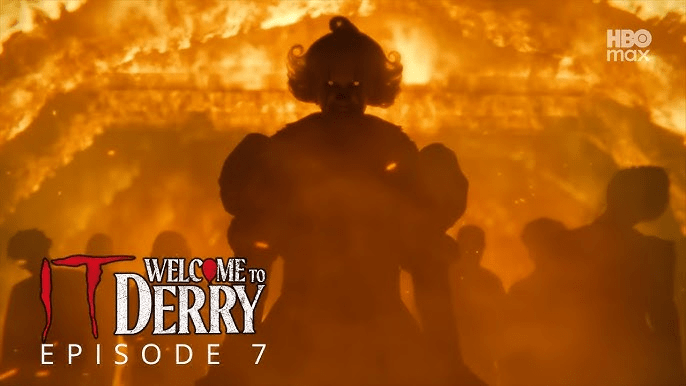
Without giving away all the details: the “Black Spot” in the story is meant to be a safe space — a night of music, dancing, community gathering. A place of hope for those who often feel marginalized. That hope shatters when violence erupts, transforming the place into a scene of chaos, fear, and devastation.
What follows isn’t just the horror of a house on fire — it’s a slow-burn nightmare of panic, betrayal, and loss. The show doesn’t rely on supernatural terror alone; it uses human cruelty — prejudice, mob mentality, panic — to terrify. And that raw emotion cuts deeper than any ghost ever could.
Cinematic Horror Meets Emotional Truth
The sequence does not shy away from brutality. The lighting, camerawork, and sound design work in tandem to make the audience feel trapped, terrified, and hopeless — much like the characters. The horror unfolds gradually, layering dread over emotional revelations, until it becomes almost unbearable to watch.
This isn’t horror for cheap thrills. It’s horror that lingers, haunts, and forces reflection. For many viewers, that makes it powerful. For others, it makes it too much.
Why the Episode Is So Polarizing
Those Who Praise the Realism and Emotional Weight
- Horror with substance: For fans tired of predictable jump-scares and formulaic horror tropes, this episode offers something more meaningful. It doesn’t just scare — it impacts on a deeper, human level.
- Social relevance: By weaving in themes of injustice, prejudice, and collective guilt, the show turns horror into a mirror of real societal issues — making the fear more relatable and grounded.
- Artistic boldness: Few shows dare to tackle such heavy themes. The creators’ willingness to combine horror with real-world pain has earned admiration from audiences seeking more than surface-level entertainment.
And Those Who Find It Disturbing or Overwhelming
- Emotional weight can be too much: The intensity of the violence and trauma depicted is haunting — some viewers have reported feeling triggered or unable to finish the episode.
- Blurred lines between horror and reality: When horror reflects real social ills, it raises questions about entertainment ethics. Some argue that it risks normalizing violence rather than critiquing it.
- Tone inconsistency for horror purists: Fans expecting traditional horror — with ghosts, monsters, or supernatural elements — might find the social-realism approach jarring or off-putting.
Also Read : Tom Felton Recreates Draco Malfoy’s Iconic Line in Harry Potter
Why This Kind of Horror Might Define the Future
Horror That Forces Reflection, Not Just Fear
The success — and the controversy — of this episode proves that horror audiences are evolving. People are no longer satisfied with adrenaline rushes alone. They want stories that unsettle, challenge, and provoke thought.
When horror reflects real-world issues — social injustice, systemic violence, prejudice — it becomes a tool for empathy, awareness, and conversation. That’s a powerful evolution from simple entertainment.
Streaming Platforms Allow More Creative Freedom
Unlike traditional network constraints, streaming services provide creators with flexibility — to go darker, edgier, more honest. Shows like Welcome to Derry are examples of what horror can become when given that freedom.
This approach encourages other creators to push boundaries, embracing horror as a genre that can be socially conscious and emotionally rich.
What to Keep in Mind Before Watching
- This isn’t light entertainment — the themes are heavy, often brutal. Viewer discretion is advised.
- The show blurs horror and trauma, and the emotional impact may remain long after the screen goes black.
- That said, for those open to deep, realistic horror — it offers a rare, powerful experience.
Final Thoughts: Horror That Haunts, Long After the Credits Roll
Welcome to Derry’s “Black Spot” episode is far from easy watching. It doesn’t seek to comfort or entertain – it aims to disturb, to challenge, to question.
In a time when horror is often dismissed as escapism, this series dares to redefine the genre as a reflection of real human darkness. And although it may not be for everyone, it proves that horror can be more than scares — it can be a mirror, a warning, and a call to remember.
Whether this is the future of horror or just a bold experiment, one thing is certain: Welcome to Derry isn’t the kind of show you watch. It’s the kind of show that stays with you.
Also Read : David Corenswet – Age, Height, Family, Career, TV Shows, Awards, Net Worth
FAQs
Q: Is Welcome to Derry connected to the original It novels or films?
Yes — it acts as a prequel, reimagining the town’s dark history decades before the events of the original stories.
Q: Is the “Black Spot” episode suitable for all audiences?
No — because it involves graphic violence and heavy emotional trauma, viewer discretion is highly recommended.
Q: Does the show rely on supernatural horror?
Partly. While there are horror elements tied to supernatural lore, this episode relies heavily on real-world terror — prejudice, violence, mob mentality — making it a blend of psychological and horror drama.
Q: Why did the creators choose to show such intense content?
They aimed to portray horror not just as a genre of scares, but as a reflection of real-world atrocities — to evoke empathy, provoke thought, and challenge the audience emotionally.
Q: What makes this episode different from classic horror shows?
Instead of horror for the sake of scares, the episode uses horror to highlight social injustice, human cruelty, and trauma — pairing supernatural elements with realistic human evil, ensuring the fear lingers long after viewing.
Join our WhatsApp channel for more updates and information about celebrities and entertainment

I’m Atul Kumar, founder of Cine Storytellers and an entertainment creator with 5+ years of experience. I cover films, celebrities, music, and OTT content with a focus on accurate, ethical, and engaging storytelling. My goal is to bring readers trustworthy entertainment news that informs, inspires, and goes beyond gossip.
Discover more from Cine Storytellers
Subscribe to get the latest posts sent to your email.
Justin Tv