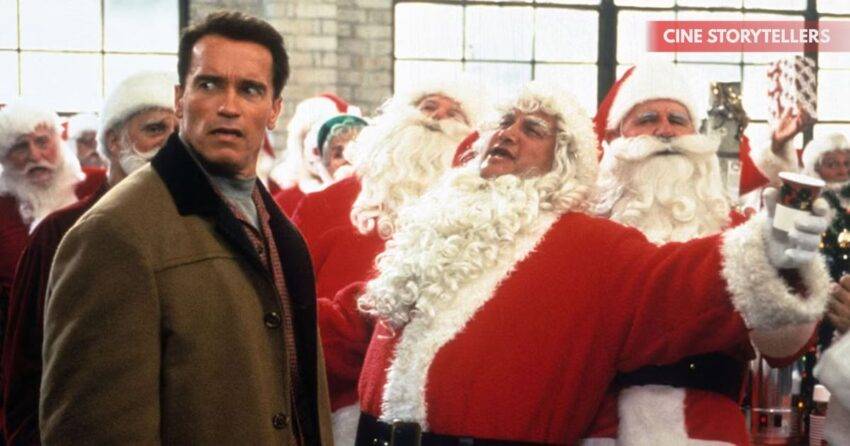
When Jingle All the Way hit theaters in 1996, critics were unimpressed and audiences were divided. Yet nearly three decades later, the Arnold Schwarzenegger holiday comedy refuses to fade away. Every December, it resurfaces in streaming charts, social media debates, and family movie nights. This article explores why Jingle All the Way still matters – breaking down its story, cultural timing, criticism, nostalgia factor, and unexpected relevance in today’s holiday culture. Love it or hate it, the film has earned a permanent place in Christmas movie history.
A Christmas Movie That Never Played It Safe
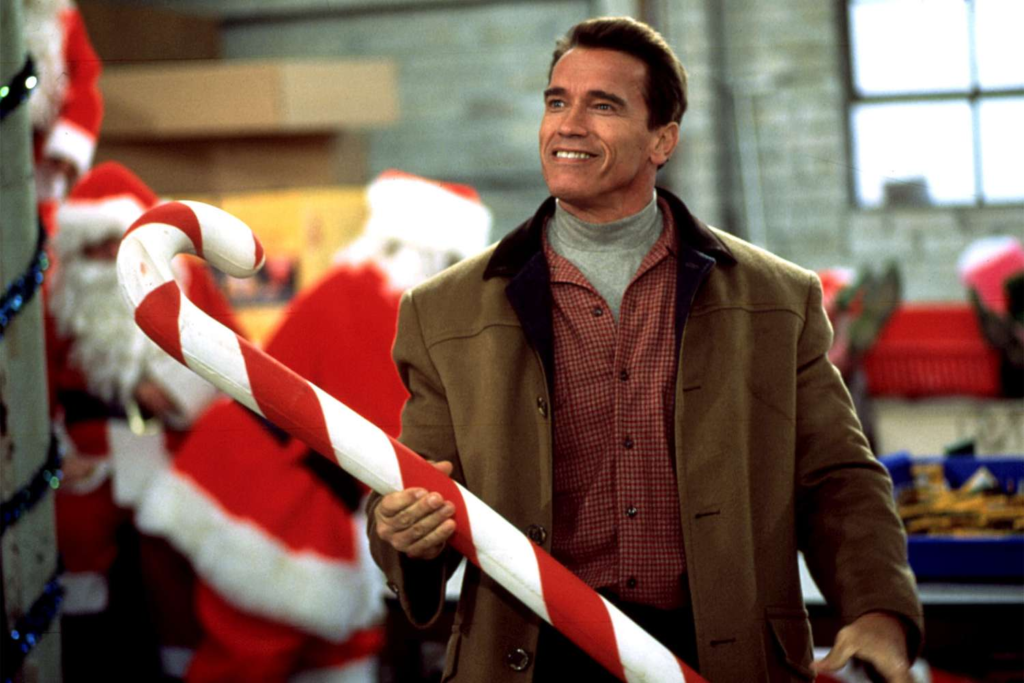
Unlike most holiday films, Jingle All the Way never aimed to be soft, sentimental, or cozy. From its opening scenes, it embraces chaos — crowded malls, angry parents, exploding toy warehouses, and a frantic sense of urgency that mirrors real holiday stress.
Instead of focusing on twinkling lights and warm fireplaces, the movie dives straight into consumer panic. It asks a simple but relatable question: What happens when a parent waits too long to deliver on a Christmas promise?
That risk alone made the movie stand out — and also made it an easy target for critics who expected something gentler.
The Plot That Feels Uncomfortably Familiar
At the center of the story is Howard Langston, a work-obsessed dad who constantly disappoints his son despite having good intentions. When he promises to get Jamie the season’s hottest toy — Turbo Man — Howard doesn’t realize how impossible that promise has become.
What follows is a Christmas Eve spiral: sold-out shelves, desperate shoppers, black-market Santas, police chases, and a growing rivalry with another father who’s just as determined.
It’s exaggerated, yes — but the emotional core is painfully real. Many parents recognize Howard’s guilt, overcompensation, and last-minute panic. That emotional truth is one reason the movie still resonates.
Why Critics Rejected It in 1996
When Jingle All the Way was released, critics were brutal. Reviews focused on:
- Over-the-top slapstick
- Loud, chaotic pacing
- Thin emotional resolution
- Arnold Schwarzenegger being “miscast”
At the time, holiday movies were expected to deliver warmth and moral clarity. Jingle All the Way delivered stress, selfishness, and a hero who spends most of the movie making bad decisions.
But here’s the irony: those very flaws are why the movie aged better than expected.
The 1990s Shopping Panic That Made the Film Timely
The movie didn’t come out of nowhere. It was inspired by real events — most notably the toy-buying chaos of the 1980s and 1990s, when parents physically fought over limited holiday items.
Turbo Man represents every must-have toy that created real-world madness:
Cabbage Patch Kids, Power Rangers, Tickle Me Elmo.
What once felt cartoonish now feels prophetic. Today’s online checkout crashes, resale scalping, and holiday shortages make Jingle All the Way feel less absurd and more observant.
Arnold Schwarzenegger’s Most Unexpected Role
Arnold Schwarzenegger wasn’t supposed to work in this movie — and that’s part of its charm.
Instead of playing an invincible hero, he plays a dad who’s constantly humiliated, outmatched, and overwhelmed. He gets arrested, outsmarted, and publicly embarrassed. That vulnerability made audiences uncomfortable at first, but it also humanized him.
In hindsight, it’s one of his most self-aware performances — a superstar willingly playing a man who keeps failing until he learns what actually matters.
The Rivalry With Sinbad That Steals the Movie
Sinbad’s performance as Myron arguably carries the film’s comedic weight. His character isn’t just a villain — he’s a reflection of Howard’s worst impulses.
Both men want to prove they’re good fathers. Both are frustrated by the system. The difference is that Myron openly expresses his anger, while Howard suppresses it until it explodes.
Their rivalry turns the movie into more than a toy hunt. It becomes a satire of masculine pride, parental insecurity, and the competitive pressure baked into modern parenting.
How Nostalgia Changed the Conversation
Time has been kind to Jingle All the Way. What once felt loud and crude now feels nostalgic and oddly comforting.
Viewers who grew up watching it on cable now associate it with:
- Family movie nights
- School winter breaks
- 1990s mall culture
- Pre-smartphone chaos
Nostalgia doesn’t erase the film’s flaws — but it reframes them. Instead of judging the movie by prestige standards, audiences now enjoy it as a time capsule.
Is It a Bad Movie or a Cult Classic?
The answer depends on how you define “good.”
If you expect subtlety, Jingle All the Way will disappoint you. If you expect chaos, exaggerated comedy, and uncomfortable honesty about holiday stress, it delivers exactly that.
The movie occupies a rare middle ground:
- Too weird to be a traditional classic
- Too memorable to be forgotten
That’s the definition of a cult holiday film — one that sparks debate instead of universal praise.
Also Read : Macaulay Culkin Finally Explains Why He Walked Away From Hollywood After Home Alone
Why It Still Gets Watched Every December
People return to Jingle All the Way for different reasons:
- Some watch it ironically
- Some genuinely love it
- Some grew up with it
- Some relate more now as parents
Very few people are neutral about it — and that emotional reaction keeps it alive in holiday rotations.
Streaming has also helped. With no pressure to buy a ticket or commit to tradition, new audiences stumble upon it and form their own opinions.
The Movie’s Unexpected Message
Under all the shouting and slapstick, the film delivers a message that feels more relevant today than ever:
Being present matters more than being perfect.
Howard doesn’t win because he gets the toy. He wins because he finally shows up — literally and emotionally — for his son.
That lesson gets buried under jokes and explosions, but it’s there. And once you see it, the movie feels more intentional than its reputation suggests.
Why Jingle All the Way Endures When Others Don’t
Many holiday movies fade because they’re too generic. Jingle All the Way survives because it’s specific.
It captures:
- A particular era
- A specific anxiety
- A flawed kind of parenting
- A chaotic version of Christmas
Those specifics make it memorable — even when people criticize it.
Also Read : Marty Supreme Review: Timothée Chalamet Shines in Josh Safdie’s Bold New Film
FAQs
Is Jingle All the Way considered a Christmas classic?
It’s not universally loved, but it has earned cult classic status thanks to nostalgia and repeat holiday viewings.
Why was the movie criticized so heavily at release?
Critics felt the humor was too loud and the emotional payoff too thin for a holiday film.
What does Turbo Man represent?
Turbo Man symbolizes holiday consumer pressure and the unrealistic expectations parents place on themselves.
Is the movie appropriate for kids?
Yes. It’s rated PG, though its chaotic tone may be intense for very young viewers.
Why do people still debate this movie today?
Because it challenges what a Christmas movie “should” be — and not everyone agrees on the answer.
Join our WhatsApp channel for more updates and information about celebrities and entertainment.

I’m Atul Kumar, founder of Cine Storytellers and an entertainment creator with 5+ years of experience. I cover films, celebrities, music, and OTT content with a focus on accurate, ethical, and engaging storytelling. My goal is to bring readers trustworthy entertainment news that informs, inspires, and goes beyond gossip.
Discover more from Cine Storytellers
Subscribe to get the latest posts sent to your email.