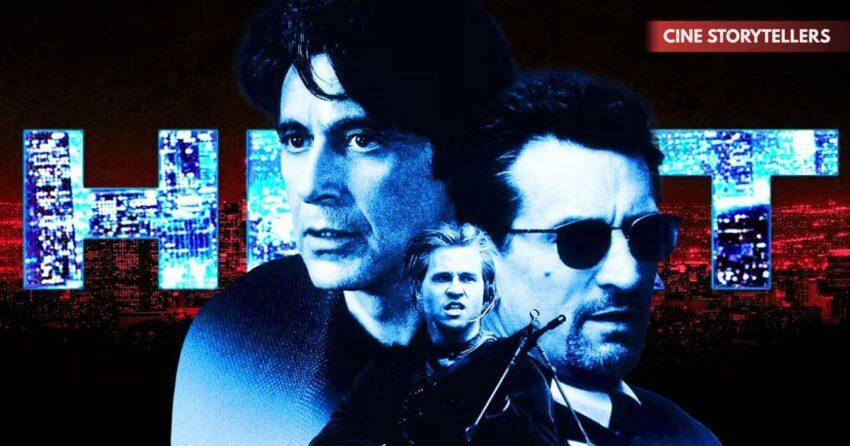
Michael Mann’s 1995 film Heat is a landmark in crime cinema, known for its intense performances, realistic heist sequences, and gripping cat-and-mouse narrative. What many fans don’t realize is that the story was inspired by real events in Chicago during the 1960s. Detective Chuck Adamson’s pursuit of a meticulous career criminal named Neil McCauley formed the backbone of the film, informing its characters, tension, and attention to detail. In this article, we explore the Chicago origins of Heat, how Mann transformed reality into cinematic brilliance, and why the film’s themes of obsession, discipline, and moral complexity still resonate today.
From Chicago Streets to Hollywood Screens
When viewers see the bustling streets of Los Angeles in Heat, they might not know that the film’s origins are rooted in Chicago. Michael Mann, born and raised in the city, drew inspiration from a real-life detective-criminal duel that took place decades earlier.
Chuck Adamson, a Chicago police detective, had spent years pursuing Neil McCauley, a highly disciplined and intelligent career criminal. Mann learned about Adamson’s experiences firsthand, as Adamson later collaborated with Mann in Hollywood. These real-world encounters informed not just the film’s narrative, but its psychological depth and procedural accuracy.
Unlike many crime movies that sensationalize or exaggerate events, Heat reflects Mann’s fascination with authenticity. The detective’s meticulous pursuit and the criminal’s rigid code became the core dynamic that drives the film’s tension.
Neil McCauley: The Real-Life Inspiration for De Niro
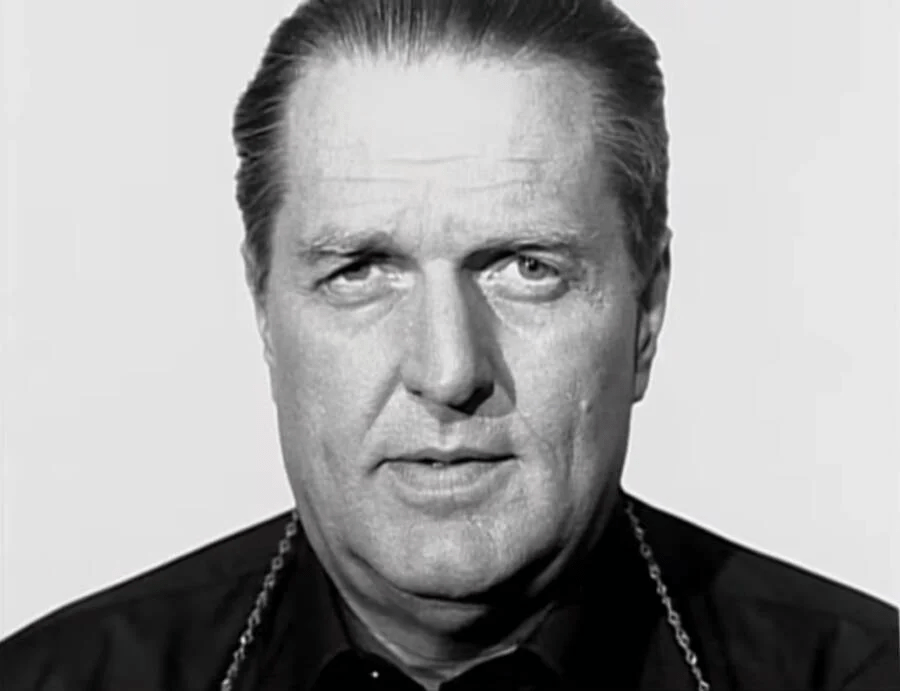
The character of Neil McCauley, portrayed by Robert De Niro, mirrors the real McCauley’s discipline and professionalism. In Chicago, he was known for his strategic mind, careful planning, and adherence to a personal rule: never get emotionally attached to anything that could compromise a getaway.
This rule, famously referenced in the film, encapsulates McCauley’s approach to life and crime. Unlike caricatured villains in other crime stories, he was methodical and principled — qualities Mann used to make the audience empathize with a character who, on the surface, exists outside the law.
The real McCauley’s story was both dramatic and tragic. Years of crime, prison stints, and eventual confrontation with law enforcement offered Mann a rich narrative template that balanced suspense with character study.
Also Read : Avatar: The Way of Water Recap – Full Plot Breakdown and Ending Explained
Chuck Adamson: The Detective Who Became Al Pacino
Al Pacino’s Vincent Hanna is not just a cinematic creation — he is directly inspired by Chuck Adamson. Adamson was a veteran Chicago detective whose relentless pursuit of criminals defined his career. His commitment to justice, tactical thinking, and personal sacrifices gave Mann a blueprint for creating a character whose obsession with his work feels both admirable and consuming.
In real life, Adamson and McCauley shared a tense yet fascinating dynamic. In one notable instance, the detective and the criminal actually met in a casual setting — a real-life encounter that would inspire the famous coffee shop scene between Hanna and McCauley in the film. This blend of respect, tension, and recognition between hunter and prey became central to Heat’s emotional core.
Bringing Realism to the Screen
Mann’s commitment to authenticity extended beyond character inspiration. He meticulously researched criminal procedures, law enforcement techniques, and heist strategies, often consulting with Adamson and other experts. This allowed Heat to depict bank robberies, stakeouts, and shootouts with a level of realism rarely seen in Hollywood.
Shooting on location in Los Angeles, Mann emphasized practical sets, real vehicles, and realistic lighting to enhance the film’s gritty atmosphere. While the city is far from Chicago, the streets are imbued with the sense of real-world stakes, discipline, and danger that Mann observed in Adamson’s cases.
This combination of character depth, procedural accuracy, and visual authenticity is a hallmark of Mann’s filmmaking and a reason why Heat remains influential decades later.
Also Read : Devil in the Family: Release Date, Stream, Plot, and Everything You Need to Know
The Iconic Diner Scene: Fact Meets Fiction
One of the most famous moments in cinema history occurs when Vincent Hanna and Neil McCauley sit across from each other in a diner. It’s a quiet, intense, and unforgettable scene — not just because of Pacino and De Niro sharing the screen, but because it was inspired by a real meeting between Adamson and McCauley in the 1960s.
The encounter exemplifies the duality of respect and rivalry. Both men understood each other’s expertise and dedication. Mann translated this into cinematic language, creating a sequence that is both suspenseful and psychologically rich. Audiences sense the mutual recognition between two highly skilled adversaries, which elevates the film above standard cops-and-robbers fare.
Thematic Depth: Discipline, Obsession, and Morality
Heat resonates not only as a crime thriller but as an exploration of human behavior and morality.
- Discipline vs. Obsession: McCauley’s professional code contrasts with Hanna’s relentless pursuit, showing how expertise can become consuming.
- Moral Ambiguity: The film blurs the line between right and wrong. Audiences empathize with both the lawman and the criminal, reflecting the complex nature of human motivation.
- Consequences of Choice: Every action in the film carries real stakes. Mann emphasizes that talent and intelligence do not exempt characters from risk or tragedy.
These themes, grounded in real-life events, give the film lasting resonance. Viewers are not just entertained; they are invited to reflect on dedication, ethics, and the human cost of ambition.
The Legacy of a True-Crime Masterpiece
Heat is now considered a benchmark in crime cinema. Its influence can be seen in countless heist films, crime dramas, and even television series that prioritize realism and character complexity. Mann’s ability to blend real-life inspiration with cinematic storytelling created a blueprint for future filmmakers seeking authenticity in their work.
Moreover, understanding the Chicago origins deepens appreciation for the film. The city’s criminal history, law enforcement culture, and real personalities lend emotional weight that elevates Heat from a thrilling narrative to a study of human psychology and professionalism.
Also Read : Bright’ Cast on Its Racial Undertones and a Possible Sequel
FAQs
Is Heat based on a true story?
Yes, it was inspired by the real-life pursuit of career criminal Neil McCauley by Chicago detective Chuck Adamson in the 1960s.
Who inspired Vincent Hanna?
Vincent Hanna (Al Pacino) was modeled on Chuck Adamson, whose dedication to law enforcement and pursuit of McCauley shaped the character.
Was the diner scene real?
The diner scene reflects a real meeting between Adamson and McCauley, where mutual respect and tension were evident — Mann translated this into the film’s iconic moment.
How accurate is Heat in depicting crime?
Mann researched extensively, consulting real detectives and using authentic procedures, giving the film a high degree of realism compared to typical Hollywood crime movies.
Why is Heat still influential?
Its blend of realistic crime depiction, complex character study, and thematic depth makes it a reference point for filmmakers, critics, and audiences interested in crime cinema.
Join our WhatsApp channel for more updates and information about celebrities and entertainment

I’m Atul Kumar, founder of Cine Storytellers and an entertainment creator with 5+ years of experience. I cover films, celebrities, music, and OTT content with a focus on accurate, ethical, and engaging storytelling. My goal is to bring readers trustworthy entertainment news that informs, inspires, and goes beyond gossip.
Discover more from Cine Storytellers
Subscribe to get the latest posts sent to your email.