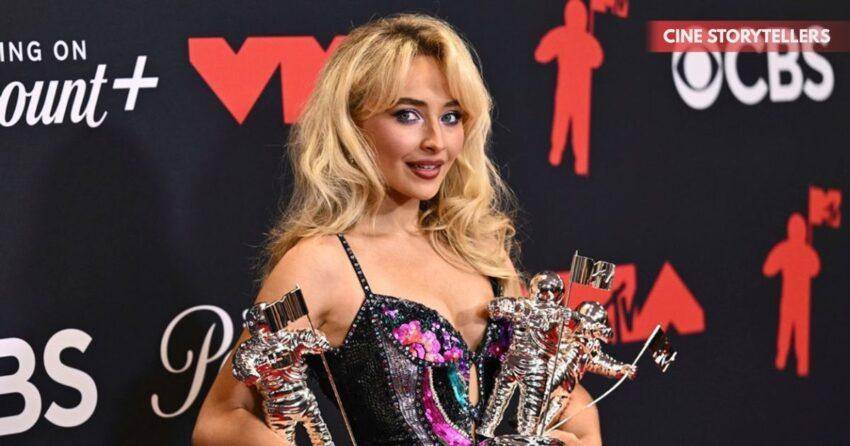
Sabrina Carpenter has publicly condemned the White House for using her hit song “Juno” in a video highlighting immigration enforcement actions—calling the clip “evil and disgusting.” The clash has become one of the most talked-about pop-culture and political crossovers of the year. This article breaks down what happened, how the conflict escalated, and why the moment is igniting larger conversations about consent, creativity, and political messaging.
Sabrina Carpenter vs. the White House: The Controversy Everyone’s Talking About
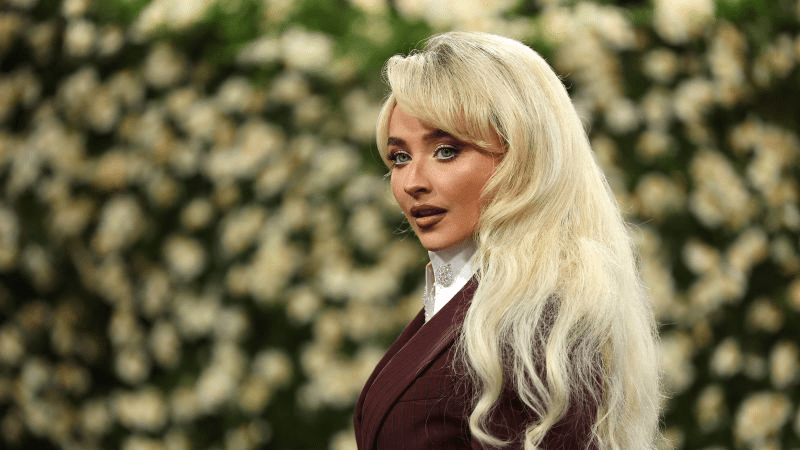
Sabrina Carpenter is no stranger to going viral—her music, performances, and personality regularly dominate social media. But this time, she wasn’t trending because of a chart-topping single or a glamorous red-carpet moment. Instead, she found herself at the center of a political firestorm after the White House used her song in an immigration-raid video without her permission.
What followed was a bold, fiery response from the pop star that has sparked nationwide debate and put global attention on the intersection of art, politics, and ethics.
Let’s break down exactly what happened.
What Sparked the Backlash
The Video That Started It All
The situation began when the official White House social media channels posted a short video featuring footage of immigration agents conducting arrests. The visuals were intense—officers in vests, flashing lights, detentions happening in real time.
But what truly shocked viewers was the soundtrack: Sabrina Carpenter’s hit song “Juno.”
Specifically, the portion featuring the cheeky lyric: “Have you ever tried this one? Bye-bye.”
The upbeat tone used over serious enforcement footage created a highly jarring contrast—and immediately caught the attention of both fans and non-fans alike.
Why It Immediately Blew Up
Users online were stunned for two reasons:
- The White House had never publicly associated itself with Sabrina Carpenter’s music before.
- The clip appeared to frame immigration arrests as something celebratory—something the song is definitely not about.
Within minutes, clips of the video were reposted across platforms with millions of views. And before long, Sabrina Carpenter herself entered the conversation.
Sabrina Carpenter Breaks Her Silence
Her Public Statement
Sabrina didn’t hold back. She took to social media and denounced the video with a powerful message calling it:
“Evil and disgusting. Do not ever involve me or my music in your inhumane agenda.”
Her response was sharp, emotional, and direct—reflecting not only her anger but her refusal to let her work be aligned with policies she fundamentally opposes.
Why Her Words Hit So Hard
Fans know Sabrina as someone who typically stays focused on her craft—her music, her fashion, her tours. She rarely engages in political controversies.
So when she did speak up, it spoke volumes.
Her message made one thing clear: This was not about branding or publicity. This was personal.
Why This Controversy Is So Significant
It’s About Consent
On the surface, people might see this as a basic copyright issue—was her music licensed or not?
But Sabrina’s statement wasn’t about legalities. It was about ethics, association, and respect.
Artists create their music with intent. When a government uses that music to promote policies the artist doesn’t support, it crosses a moral line.
It Highlights a Bigger Pattern
This isn’t the first time artists have confronted political institutions for using their songs.
From rock legends to modern pop stars, many have spoken out against unauthorized political use of their music. It’s a trend that continues to grow—and Sabrina’s situation is only intensifying the conversation.
It Puts the Spotlight on Government Messaging
When the government uses pop music in a high-stakes political video, it raises serious questions:
- Is the music being used to soften public perception?
- Is it being used to make intense policies more “digestible”?
- Is it a form of emotional manipulation?
These are conversations happening nationwide—and Sabrina’s reaction has pushed them to the forefront.
The White House Responds – And Things Heat Up
A Defiant Reply
Instead of removing the video or issuing an apology, the White House responded with a firm and unapologetic statement defending its actions.
The message emphasized national security, reiterated the administration’s stance on immigration enforcement, and dismissed criticism as political noise.
But the reference to Sabrina’s album and the tone of the response only intensified the backlash.
The Debate Goes Mainstream
What started as a single social-media post quickly grew into a national cultural moment:
- Political commentators debated it live on air
- Fans organized hashtags demanding respect for artists
- Musicians voiced support for Sabrina on their own platforms
Suddenly, everyone was talking—not just about Sabrina Carpenter, but about the power dynamic between creators and political institutions.
Artists Are Reclaiming Control
The entertainment industry has shifted. Artists today are more vocal, more empowered, and more protective of their work.
Sabrina’s strong stance sets a clear precedent:
Music is not a political tool unless the artist says so.
Audiences Are Re-Evaluating Media
People are becoming more aware of how music, video, and messaging shape perception—especially when the government is involved.
This controversy encouraged viewers to question:
- What am I being shown?
- Why this song?
- What emotion is it trying to evoke?
That kind of critical thinking is exactly why the conversation is so important.
Social Platforms May Face New Pressure
As artists challenge unauthorized usage, social platforms could eventually:
- Tighten rules on copyrighted audio
- Flag politically manipulated media
- Warn viewers when music is used out of context
This moment could influence policy down the road.
What Comes Next
The story is far from over. Here’s what to watch:
- Will Sabrina pursue legal action?
- Will other artists demand better protection?
- Will the White House shift its approach to media?
- Will this spark long-term changes in political communication?
One thing is certain: the conversation isn’t dying down anytime soon.
Also Read : Project Hail Mary – Ryan Gosling’s Bold Return to Sci-Fi Space Heroics
FAQ
Why was Sabrina Carpenter angry?
Because the White House used her song in a political video without her approval, in a context she called “evil and disgusting.”
Did she give permission to use her music?
No—she made it clear she did not authorize or support the video.
Is this a copyright issue?
Partly, but Sabrina emphasized consent and ethics, not just legal rights.
Has this happened with other artists?
Yes. Many artists have criticized political figures or institutions for using their music without permission.
Will the video be taken down?
As of now, there’s no indication—but public pressure continues to grow.
Join our WhatsApp channel for more updates and information about celebrities and entertainment.

I’m Atul Kumar, founder of Cine Storytellers and an entertainment creator with 5+ years of experience. I cover films, celebrities, music, and OTT content with a focus on accurate, ethical, and engaging storytelling. My goal is to bring readers trustworthy entertainment news that informs, inspires, and goes beyond gossip.
Discover more from Cine Storytellers
Subscribe to get the latest posts sent to your email.