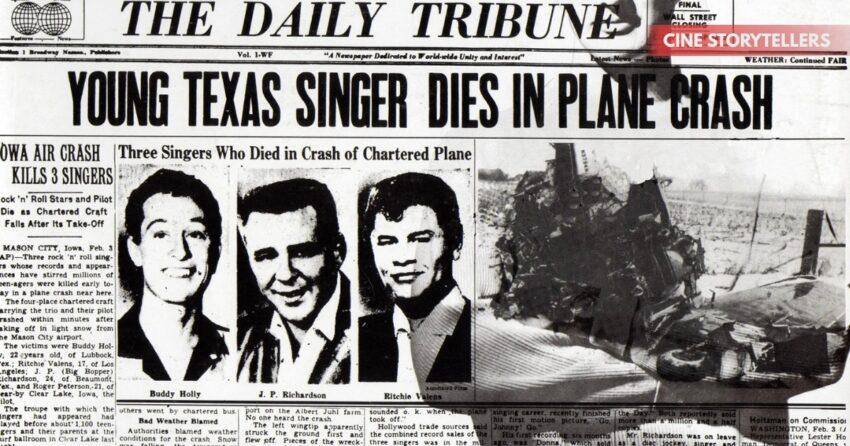
Ritchie Valens, one of rock & roll’s earliest teen stars, is remembered for his groundbreaking music and the tragic plane crash on February 3, 1959, that claimed his life at just 17. Known for hits like La Bamba and Donna, Valens bridged cultural gaps and inspired generations of musicians. His death, alongside Buddy Holly and The Big Bopper, became known as “The Day the Music Died,” a phrase immortalized in Don McLean’s American Pie. Despite a career cut short, Valens’ influence endures in rock, Latin music, and the hearts of fans worldwide.
Who Was Ritchie Valens? The Teen Who Took Rock & Roll by Storm
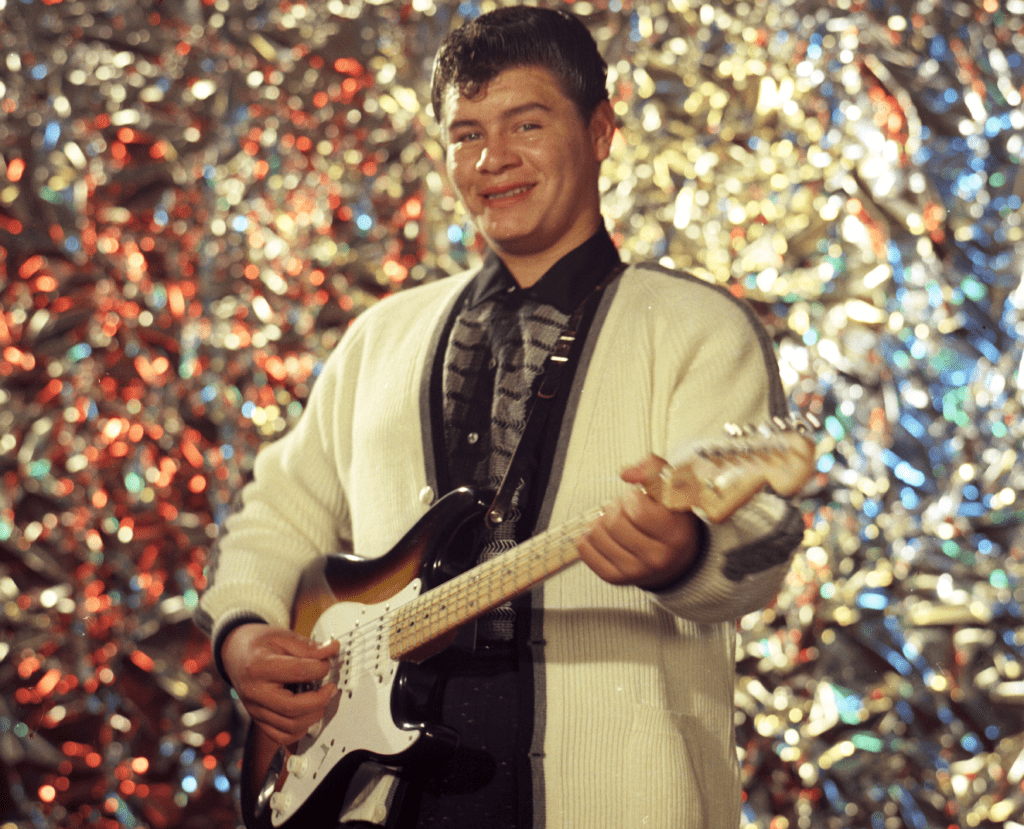
Born Richard Steven Valenzuela on May 13, 1941, in Pacoima, California, Ritchie Valens grew up in a working-class Mexican-American family. From an early age, he displayed a passion for music, teaching himself guitar and mastering the art of blending traditional Latin sounds with contemporary rock & roll rhythms.
Valens’ talent was evident not just in his skill with instruments, but in his ability to connect emotionally through songwriting. He represented a new generation of musicians — young, ambitious, and unafraid to bring their cultural identity into mainstream American music.
Breaking Through: Valens’ Musical Hits
Though Ritchie Valens’ career lasted less than a year, he produced music that would become iconic. His debut singles included Come On, Let’s Go, a high-energy rock anthem, and Donna, a heartfelt ballad written for his high school girlfriend, Donna Ludwig.
The song that cemented his legacy, however, was La Bamba. A rock & roll adaptation of a traditional Mexican folk song, La Bamba showcased Valens’ ability to merge cultures seamlessly. It broke barriers for Latino artists in mainstream music and remains a cultural touchstone decades later.
Valens’ songs weren’t just popular; they were transformative, introducing Latin sounds to a broad American audience and inspiring countless future musicians.
The Winter Dance Party Tour: A Grueling Schedule
In early 1959, Ritchie Valens joined Buddy Holly, The Big Bopper (J.P. Richardson), and others on the Winter Dance Party tour. The tour’s schedule was punishing, covering long distances in the bitter Midwest winter.
The bus used for travel was notoriously cold and unreliable, leaving performers exhausted and at risk for illness. Valens, like others on the tour, was determined to fulfill his commitments, but the physical strain and harsh conditions were taking a toll on the young performers.
The Tragic Day: February 3, 1959
The tour reached a fateful turning point on February 3, 1959. After a show in Clear Lake, Iowa, Buddy Holly chartered a small plane to reach the next venue faster and avoid another grueling bus ride.
Ritchie Valens, along with The Big Bopper and pilot Roger Peterson, boarded the Beechcraft Bonanza. Shortly after takeoff, the plane crashed into a cornfield in poor weather conditions, killing everyone aboard instantly.
This tragic event shocked the nation and became known as “The Day the Music Died,” immortalized by Don McLean’s 1971 hit American Pie. It symbolized the loss of rock & roll innocence and the untimely end of three promising careers.
Personal Loss: Remembering Ritchie Beyond the Music
For Valens’ family, the loss was profoundly personal. His sister, Connie Valens, has shared stories of Ritchie as not only a musical talent but a caring brother and family supporter. He had already begun helping his mother and bringing pride to his family through his early success.
Even at 17, Ritchie displayed remarkable maturity, balancing the pressures of fame with the responsibilities of family life. His untimely death left a void that extended far beyond music, touching the lives of those closest to him.
Also Read : Kid Rock TPUSA Halftime Show: Why the Alternative Super Bowl Performance
Valens’ Cultural and Musical Legacy
Ritchie Valens’ influence extends far beyond his brief career. He was a trailblazer for Chicano rock, blending Latin rhythms with rock & roll in ways that had never been seen before.
By bringing Latin music to mainstream American audiences, Valens opened doors for future generations of Latino artists. His work paved the way for artists like Los Lobos, Selena, and countless others who would combine cultural heritage with popular music.
Enduring Popularity of His Songs
Decades after his death, Valens’ songs continue to resonate. La Bamba remains a staple at parties, movies, and cultural events worldwide. Donna is celebrated for its emotional sincerity, and Come On, Let’s Go still excites audiences with its energy.
His 1987 biographical film, La Bamba, introduced a new generation to his story, ensuring that his legacy would not fade with time. The film’s soundtrack and storytelling brought renewed attention to Valens’ contribution to rock & roll history.
Honors and Recognition
Ritchie Valens’ contribution to music has been recognized in numerous ways. He was posthumously inducted into the Rock & Roll Hall of Fame in 2001. Memorials and tributes are held annually, especially at the Surf Ballroom in Clear Lake, Iowa, where his final tour performance took place.
These honors reflect not only the quality of his music but his enduring influence on both American and Latin music culture.
Remembering “The Day the Music Died”
The plane crash that claimed Valens’ life also ended the careers of Buddy Holly and The Big Bopper, two other young rock & roll innovators. Collectively, their deaths marked a turning point in music history.
Don McLean’s American Pie immortalized this event in pop culture, giving it a lasting emotional and symbolic resonance. For music fans, the day serves as a reminder of the fragility of life and the enduring power of music.
Why Ritchie Valens Still Matters Today
Even 60+ years later, Ritchie Valens’ influence is visible in the music of artists across genres. His fusion of Latin music with rock & roll set a precedent for cultural crossover in American popular music.
Valens also symbolizes the power of youth in shaping culture. He achieved unprecedented success as a teenager and continues to inspire young artists to pursue bold, boundary-crossing creativity.
Also Read : Disney Officially Shuts Down Hulu App: Here’s What It Means for Viewers
FAQs
Who was Ritchie Valens?
Ritchie Valens was a Mexican-American rock & roll musician and songwriter, famous for hits like La Bamba and Donna, who tragically died at age 17.
What is “The Day the Music Died”?
This phrase refers to February 3, 1959, when Ritchie Valens, Buddy Holly, and The Big Bopper died in a plane crash, ending the lives of three pioneering rock & roll musicians.
How did Ritchie Valens die?
He died in a plane crash during the Winter Dance Party tour in Iowa, along with fellow musicians Buddy Holly and The Big Bopper.
What are Ritchie Valens’ most famous songs?
La Bamba, Donna, and Come On, Let’s Go are his most recognized and enduring hits.
Why is Ritchie Valens considered influential?
Valens was one of the first Mexican-American rock & roll artists to reach mainstream success. His blending of Latin music and rock paved the way for future generations of Latino artists.
Where can I learn more about him?
Documentaries, the 1987 biopic La Bamba, and biographies offer detailed insight into his life and career.
Join our WhatsApp channel for more updates and information about celebrities and entertainment.

I’m Atul Kumar, founder of Cine Storytellers and an entertainment creator with 5+ years of experience. I cover films, celebrities, music, and OTT content with a focus on accurate, ethical, and engaging storytelling. My goal is to bring readers trustworthy entertainment news that informs, inspires, and goes beyond gossip.
Discover more from Cine Storytellers
Subscribe to get the latest posts sent to your email.