
Paris Hilton is pulling back the curtain on a side of her life that rarely makes headlines. In a candid conversation on The Him & Her Show podcast, the media mogul spoke openly about living with ADHD and rejection sensitive dysphoria (RSD). Diagnosed later in life, Hilton explained how intense emotional reactions to criticism and rejection impacted her confidence, relationships, and mental well-being—especially during the height of her fame. Her story adds an important voice to the growing conversation around adult ADHD, emotional regulation, and neurodiversity, offering reassurance to anyone who has ever felt overwhelmed by their own emotions.
Paris Hilton’s Most Vulnerable Interview Yet
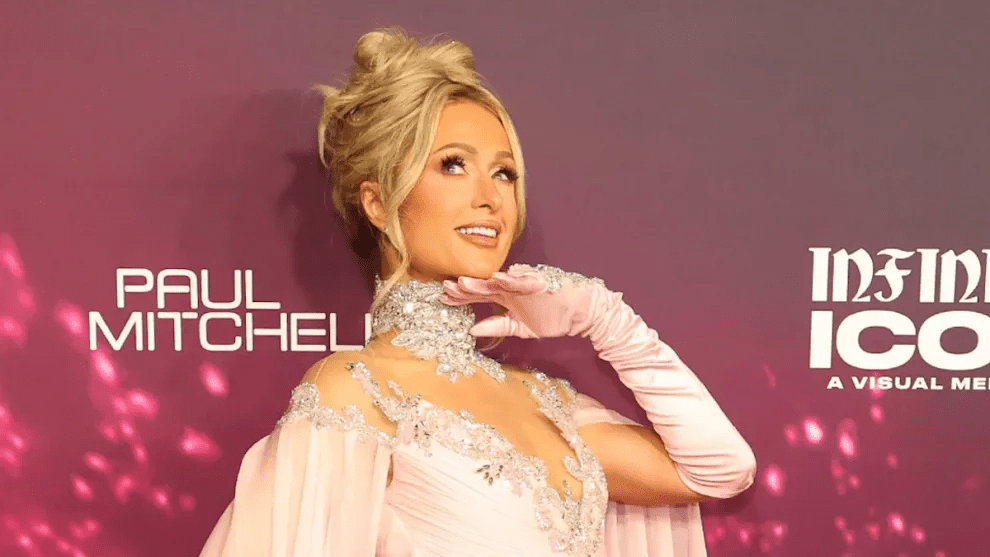
Paris Hilton has been famous for most of her life. From red carpets to reality TV, she has lived under a microscope since her early twenties. But in her recent podcast appearance, she wasn’t promoting a brand or revisiting pop-culture moments—she was talking about what’s been happening inside her mind.
Speaking honestly about ADHD and rejection sensitive dysphoria, Hilton described emotional experiences that many people live with daily but struggle to explain. Instead of polished soundbites, she offered raw insight, using striking language to explain how overwhelming these feelings can be.
This wasn’t just celebrity vulnerability—it was a moment of real connection.
Also Read : George Strait Announces 2026 Austin Moody Center Concerts – Dates, Details & What to Expect
Understanding ADHD Beyond the Stereotypes
ADHD is often misunderstood. Many people still associate it only with hyperactive children or poor concentration, but Hilton’s experience highlights a lesser-known side of the condition: emotional intensity.
She shared that she struggled with focus and organization from a young age but didn’t understand why. Growing up, ADHD wasn’t widely discussed—especially in girls. Without a diagnosis, she internalized criticism and blamed herself for things she couldn’t control.
Like many adults with ADHD, Hilton didn’t receive clarity until later in life. When she was finally diagnosed in her late twenties, it reframed her entire past. Suddenly, the struggles, misunderstandings, and emotional reactions made sense.
What Is Rejection Sensitive Dysphoria (RSD)?
One of the most powerful parts of Hilton’s interview was her explanation of rejection sensitive dysphoria.
RSD is commonly associated with ADHD and refers to an extreme emotional response to perceived rejection or criticism. Even small moments—an offhand comment, a delayed response, or a misunderstood tone—can trigger intense feelings of shame, sadness, or panic.
Hilton described it vividly, saying it can feel “like a demon in your mind.” That phrase resonated with listeners because it captures how intrusive and uncontrollable those thoughts can feel. It’s not about being overly sensitive—it’s about the brain reacting at full volume.
Growing Up Without the Language to Explain It
For Paris Hilton, not having the words to describe what she was experiencing made everything harder.
In school, she struggled to focus and stay organized. Teachers labeled her distracted. Peers didn’t always understand her. And without knowing she had ADHD, she assumed these struggles were personal failures.
That internalized shame followed her into adulthood. When criticism came—especially from the media—it didn’t just sting. It felt crushing.
Without understanding RSD, she thought her reactions meant something was wrong with her personality. In reality, it was her nervous system going into overdrive.
Fame Made the Emotional Pressure Worse
Becoming famous at a young age amplified everything.
Hilton rose to prominence during a time when celebrity culture was particularly harsh. Tabloids, paparazzi, and public judgment were relentless. For someone with RSD, that environment can be emotionally brutal.
Every headline, joke, or comment felt deeply personal. She explained that even when criticism wasn’t meant to hurt, her brain interpreted it as rejection. That constant emotional stress took a toll, even though outwardly she appeared confident and carefree.
Her experience highlights an important truth: success doesn’t make you immune to mental health struggles.
The Moment Everything Started to Make Sense
Learning about ADHD and RSD was a turning point for Hilton.
Instead of viewing her emotions as weaknesses, she began to see them as part of how her brain works. That shift brought relief. Understanding the “why” behind her feelings helped her stop blaming herself.
She spoke about how naming these experiences made them less frightening. Once she realized others felt the same way, the isolation faded. Awareness didn’t make the challenges disappear—but it gave her tools to manage them.
Also Read : Katherine Schwarzenegger Pratt Children Video – A Heartwarming Look at Motherhood
Reframing ADHD as a Strength
One of the most empowering aspects of Hilton’s story is how she reframes ADHD.
While it comes with real challenges, she also credits it with fueling her creativity, intuition, and drive. Her ability to think differently helped her build a business empire that goes far beyond her early reality TV image.
She describes ADHD as a double-edged sword—intense emotions on one side, but also deep passion and originality on the other. Instead of fighting her brain, she’s learning how to work with it.
That mindset shift can be life-changing for anyone who has spent years feeling “too much” or “not enough.”
Why This Conversation Matters Right Now
Paris Hilton speaking openly about ADHD and RSD matters because it normalizes conversations many people are afraid to start.
Adult ADHD is still underdiagnosed, especially in women. Emotional symptoms like RSD are often overlooked or misunderstood. Hearing someone with global visibility talk about these issues helps dismantle stereotypes and shame.
Her honesty sends a powerful message: you can be successful, confident, and accomplished—and still struggle internally.
Helping Others Feel Less Alone
Perhaps the most important takeaway from Hilton’s interview is validation.
For listeners who experience intense emotional reactions but don’t know why, her words can feel like permission to stop judging themselves. She’s giving language to feelings that are often dismissed as “overreacting” or “being dramatic.”
By sharing her journey, she’s encouraging others to seek understanding, whether through diagnosis, therapy, or self-education.
The Bigger Picture: Neurodiversity and Acceptance
Hilton’s story fits into a broader cultural shift toward understanding neurodiversity.
Rather than seeing conditions like ADHD as flaws to be fixed, more people are recognizing them as differences in how brains process the world. With the right support, awareness, and self-compassion, those differences can coexist with success and fulfillment.
Her experience shows that awareness doesn’t weaken you—it empowers you.
What Paris Hilton Wants People to Remember
At its core, Hilton’s message is simple but powerful:
You’re not broken.
Your feelings are real.
Understanding yourself can change everything.
She isn’t claiming to have all the answers, but she’s proof that clarity and self-acceptance can transform how you relate to your own mind.
Also Read : Celebrity Chef Named New Great British Bake Off Judge: What This Big Change Means
FAQs
What did Paris Hilton reveal about ADHD?
She shared that she was diagnosed in her late twenties and that ADHD affected her focus, emotions, and self-perception long before she understood what was happening.
What is rejection sensitive dysphoria?
RSD is an intense emotional reaction to perceived rejection or criticism, commonly experienced by people with ADHD.
Why did she describe RSD as “a demon in your mind”?
She used the phrase to explain how intrusive, overwhelming, and uncontrollable the emotional response can feel.
Did fame make her mental health struggles harder?
Yes. Constant public scrutiny amplified her emotional reactions, especially before she understood ADHD and RSD.
How does Paris Hilton view ADHD today?
She now sees it as both a challenge and a strength, crediting it with contributing to her creativity and entrepreneurial success.
Join our WhatsApp channel for more updates and information about celebrities and entertainment.

I’m Atul Kumar, founder of Cine Storytellers and an entertainment creator with 5+ years of experience. I cover films, celebrities, music, and OTT content with a focus on accurate, ethical, and engaging storytelling. My goal is to bring readers trustworthy entertainment news that informs, inspires, and goes beyond gossip.
Discover more from Cine Storytellers
Subscribe to get the latest posts sent to your email.