
When Julia Louis‑Dreyfus revealed her cancer diagnosis to the public, she admitted she felt “backed into a corner” — overwhelmed by media scrutiny and public curiosity. The decision to go public was not straightforward. In this article, we unpack what led to her announcement, why privacy was important to her, how the public reacted, and the broader implications for celebrities dealing with serious health issues. This story is also a conversation about the pressure fame places on privacy and the strength of approaching serious news with honesty and care.
Julia Louis‑Dreyfus: Why She Felt Compelled to Share Her Cancer Diagnosis
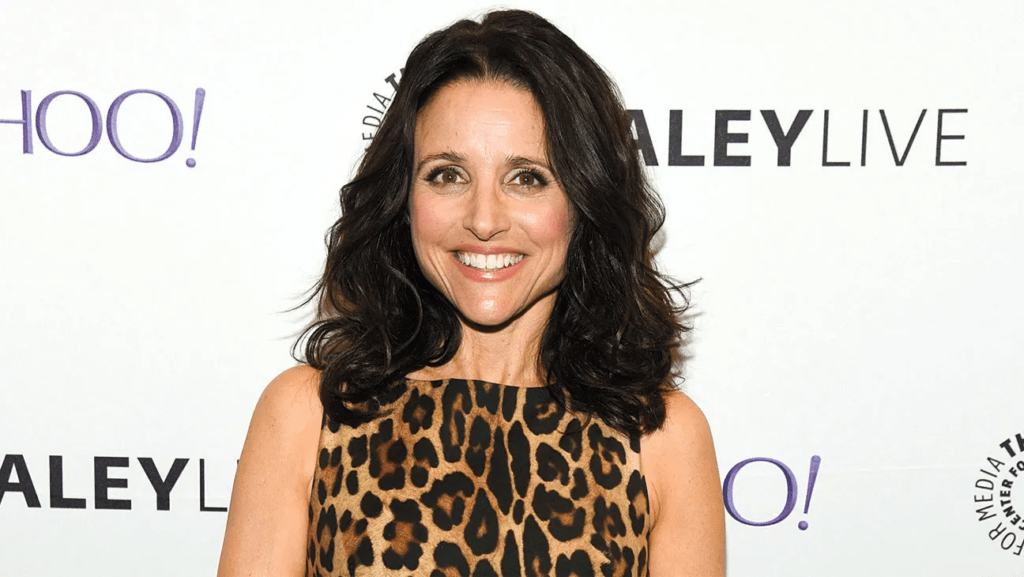
For most people, a serious health diagnosis is deeply personal — something many prefer to handle privately. For a public figure like Julia Louis‑Dreyfus, however, the decision becomes far more complicated. Recently, the Emmy‑winning actress opened up about why she felt compelled to make her cancer diagnosis public, admitting that she felt “backed into a corner.”
It’s a raw, human moment from someone used to lights, cameras, and applause. But this time, it was real life.
What She Said – The Pressure Behind the Public Disclosure
A Decision Fueled by Circumstance
Julia Louis‑Dreyfus revealed that her choice to go public wasn’t originally planned. She explained that mounting media attention, speculation, and the invasive glare that often comes with illness forced her hand. Rather than allow rumors or leaks to spin out of control, she took control of the narrative — hoping honesty would spare her loved ones and give herself some dignity.
Public Support and Private Pain Intertwined
In her statement, she acknowledged the duality of the situation: while she appreciated public love and encouragement, going public also meant exposing vulnerability. She admitted it was difficult — but ultimately, she chose openness over secrecy. The “corner” she referred to captured the tension between privacy and public pressure.
Why This Revelation Resonated — More Than Just Celebrity News
A Reminder That Fame Doesn’t Equal Immunity
Often, fans and media treat public figures as almost invincible — untouchable by everyday struggles. Julia’s announcement shattered that myth. It reminded everyone: illness, fear, vulnerability — these don’t discriminate. Celebrities face them too.
For many, watching a beloved actor confront such a deeply personal challenge publicly felt grounding. It humanized a star, and in doing so, made her strength — and honesty — even more meaningful.
The Power of Transparency in Taboo Conversations
Health, especially cancer, remains a heavy and often private topic. When a well-known figure speaks up — candidly, without filters — it can shift public conversation. Julia’s openness offered solidarity to many silently suffering, encouraging empathy, compassion, and understanding.
Her honesty may inspire others to seek help, share their own stories, and shed stigma around talking openly about serious illnesses.
Fans Rallying — Not for Celebrity, But for Humanity
The outpouring of support from fans, colleagues, and fellow celebrities served as a reminder that vulnerability resonates. Messages flooded in — not just of admiration, but of shared hope, empathy, and solidarity.
It wasn’t about gossip or spectacle. It was about human connection.
What This Means for Privacy, Media Pressure & Public Figures
The Thin Line Between Public Interest and Personal Boundaries
Celebrities have long navigated the tension between public life and personal privacy. With serious health issues, that boundary blurs — and sometimes gets shattered entirely.
Julia’s situation underscores a troubling dynamic: personal pain becomes public fodder, private struggles become headlines, and individuals must make difficult choices about disclosure — often under pressure.
Taking Back the Narrative: When Transparency Is the Safe Option
By choosing to speak out on her terms, Julia attempted to reclaim control. She avoided rumors, speculation, and possible misinformation by being the one to tell her story.
That choice — brave, vulnerable, and honest — shows that sometimes, transparency is the most respectful approach: to oneself, to loved ones, and to the public.
The Risk of Oversharing vs. The Need for Authenticity
There’s no universal rule for how public figures should handle illness. Some choose private healing; others choose public sharing. Either path can be valid — but both require courage.
Julia’s decision highlights the need for understanding: not every reveal is for publicity. Some are simply survival.
Reactions, Support & the Road Ahead
Flood of Empathy from Fans and Peers
Almost immediately after her announcement, messages of love and support poured in. From fans emotional about her honesty to colleagues in the industry expressing solidarity — it became a moment of community rather than celebrity spectacle.
Celebrities shared past experiences, offered prayers, and opened conversations about mental health, empathy, and resilience. For many, Julia’s courage became a beacon.
Conversations About Health, Survival & Strength
Beyond social media, her reveal sparked broader discussions about cancer awareness, early detection, mental health, and the need to destigmatize illness. Many appreciated that a public figure used her platform to bring light to issues often relegated to whispers.
Privacy Still Matters — But Openness Can Help Heal
While some might argue she gave away too much, many believe her honesty can help others feel less alone. In an industry defined by image — glamour, youth, and strength — admitting vulnerability can be revolutionary.
Julia’s journey now becomes more than personal. It becomes part of a larger conversation about human fragility, resilience, and the power of compassion.
Also Read : Nate Bargatze to Perform in Hershey: Comedy Tour 2025
What We Don’t Know — And What We Should Respect
Medical Details Are Private for a Reason
Julia shared just enough to be transparent, but not so much as to lose her privacy. The specifics about type of cancer, treatment plans, or prognosis remain personal — and that’s appropriate.
Respecting that boundary is important. Public curiosity doesn’t override a person’s right to privacy.
Public Reaction Doesn’t Equal Understanding
Supportive messages are valuable. But they don’t replace solidarity in action: awareness, resources, empathy, and real-world help matter too.
This moment should encourage more than online likes or comments. It should encourage conversations, outreach, education, and — for some — early screenings.
Also Read : Sheinelle Jones Joins Jenna Bush Hager as New Co-Host of TODAY’s Fourth Hour
FAQs
Q: Why did Julia Louis‑Dreyfus choose to share her diagnosis publicly?
She said she felt “backed into a corner” by media attention and speculation. By going public, she aimed to control the narrative and avoid rumors.
Q: Does sharing a serious medical diagnosis mean she wants public sympathy?
Not necessarily. Her announcement seems driven more by the need for transparency and dignity than by a desire for attention. She emphasized honesty over sensationalism.
Q: Should all public figures share personal health struggles?
No — disclosure should always remain a personal choice. Julia’s decision is one example of transparency; others may prefer privacy. Both are valid.
Q: What can fans do to support her?
Respect her privacy, offer empathy and kindness, and avoid speculation about her health or treatment.
Q: What does this mean for wider conversations about health and celebrity?
It may encourage more openness, empathy, and understanding, reduce stigma around illness, and prompt conversations about mental health and support for people dealing with serious conditions.
Join our WhatsApp channel for more updates and information about celebrities and entertainment

I’m Atul Kumar, founder of Cine Storytellers and an entertainment creator with 5+ years of experience. I cover films, celebrities, music, and OTT content with a focus on accurate, ethical, and engaging storytelling. My goal is to bring readers trustworthy entertainment news that informs, inspires, and goes beyond gossip.
Discover more from Cine Storytellers
Subscribe to get the latest posts sent to your email.