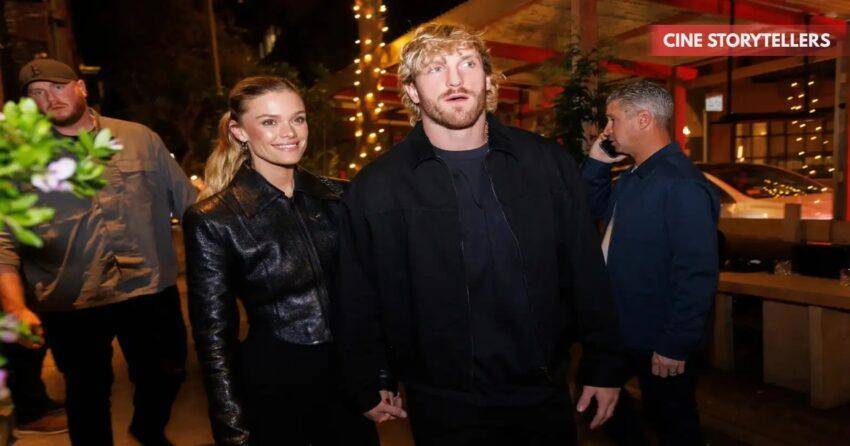
Jake Paul ignited a social media firestorm after publicly criticizing Bad Bunny ahead of the Super Bowl LX halftime show, accusing the global music star of being anti-American and urging fans to boycott the performance. The remarks triggered immediate backlash, including public disagreement from Jake’s brother Logan Paul and widespread online criticism. While Jake later clarified his stance, the controversy quickly expanded beyond celebrity drama into a larger conversation about patriotism, Puerto Rican identity, immigration politics, and the role of artists on America’s biggest stage. This article unpacks the full timeline, context, and why this debate resonated far beyond the Super Bowl.
How a Super Bowl Halftime Show Turned Into a Cultural Flashpoint
The Super Bowl has always been more than a football game. It’s a cultural event where sports, entertainment, and national identity collide – and Super Bowl LX was no exception.
When Bad Bunny was announced as the halftime headliner, the decision was widely celebrated as a major milestone for Latin music and Puerto Rican representation. But just hours before kickoff, that celebration collided with controversy after Jake Paul took to social media with a blunt and provocative critique.
What might have been a single hot take quickly spiraled into a nationwide debate — not just about music, but about who gets to define what it means to be “American.”
What Jake Paul Actually Said – and Why It Hit a Nerve
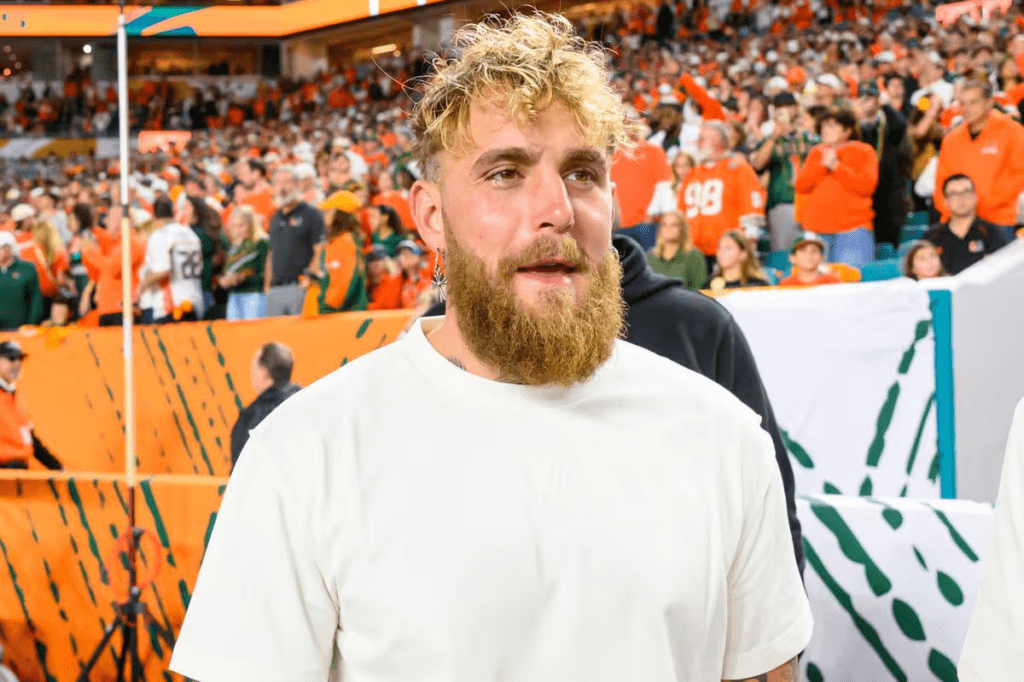
Jake Paul posted a message urging viewers to skip the halftime show, accusing Bad Bunny of “openly hating America” and labeling him a “fake American.” The wording was strong, emotionally charged, and timed for maximum visibility.
The reaction was immediate — and intense.
Why did it strike such a nerve?
- The Super Bowl is a patriotic event by nature
- Bad Bunny is Puerto Rican, and Puerto Ricans are U.S. citizens
- Jake Paul himself lives in Puerto Rico
The combination made the statement feel less like casual commentary and more like a challenge to identity itself — and many people weren’t willing to let that slide.
The Puerto Rico Question That Changed the Conversation
One of the biggest reasons this controversy escalated is because it exposed a widespread misunderstanding: people born in Puerto Rico are American citizens by birth.
Bad Bunny has never hidden his Puerto Rican roots. In fact, much of his artistry is centered on celebrating the island’s culture, language, and political struggles. For many fans, Jake Paul’s remarks felt dismissive — not just of the artist, but of an entire community.
What began as criticism of a performer quickly transformed into a debate about:
- Who gets to claim American identity
- How Puerto Rico is viewed within the U.S.
- Whether criticism of government policy equals “hating America”
That shift is what made the story explode.
Logan Paul Breaks Ranks With His Brother
The controversy escalated further when Logan Paul publicly disagreed with his brother.
Rather than quietly distancing himself, Logan made it clear that he did not support Jake’s framing, emphasizing that Puerto Ricans are Americans and defending Bad Bunny’s place on the Super Bowl stage.
Sibling disagreements are nothing new — but when they happen publicly, they add fuel to the fire. Logan’s response gave critics validation and made the story harder for Jake to contain.
Jake Paul’s Clarification: A Partial Walk-Back
As criticism mounted, Jake Paul issued a follow-up message attempting to clarify his stance.
He explained that his comments were not meant to deny Bad Bunny’s citizenship, but rather to criticize what he views as anti-American rhetoric — particularly the artist’s past criticism of immigration enforcement agencies.
However, by that point, the damage was already done.
To many readers, the clarification felt reactive rather than reflective — an attempt to reframe language that had already gone viral. While some supporters accepted the explanation, others felt it didn’t fully address the underlying issue.
Why Bad Bunny’s Past Statements Came Under Scrutiny
Bad Bunny has never shied away from social commentary. Over the years, he’s spoken openly about:
- Immigration enforcement
- The treatment of marginalized communities
- Political neglect of Puerto Rico
For fans, these statements represent advocacy and cultural pride. For critics, they can be interpreted as anti-establishment or anti-government.
Jake Paul’s criticism appears rooted in this divide — not in Bad Bunny’s music, but in what the artist represents politically.
The clash wasn’t about performance quality. It was about values.
Patriotism vs. Criticism: Where the Lines Blur
One of the biggest questions raised by this controversy is deceptively simple:
Can someone criticize government policies and still love their country?
For many Americans, the answer is yes. Dissent, protest, and artistic critique are often seen as expressions of democracy.
For others, especially in high-visibility moments like the Super Bowl, criticism feels out of place — or even ungrateful.
Jake Paul’s comments landed squarely in this ideological fault line, which is why reactions were so polarized.
Why the Super Bowl Amplifies These Conflicts
If this exchange had happened on a random Tuesday, it might have faded quickly. But the Super Bowl magnifies everything.
Why?
- Massive audience
- Heightened emotions
- Symbolic weight of the event
When music, patriotism, and identity collide on the biggest stage in American sports, even a single tweet can turn into a national conversation.
That’s exactly what happened here.
Also Read : Cardi B and Stefon Diggs Breakup Rumors After Super Bowl 2026 – Full Story Explained
How Fans Reacted — and Why It Matters
Public reaction was split but loud.
Supporters of Jake Paul praised him for “speaking his mind” and defending his view of patriotism. Critics accused him of misinformation, cultural insensitivity, and oversimplifying complex issues.
Meanwhile, Bad Bunny’s fanbase rallied strongly behind the artist, framing the backlash as proof of why representation matters in the first place.
The takeaway? This wasn’t just about two celebrities — it was about audience values.
What This Says About Celebrity Influence Today
One reason this story resonated is because Jake Paul and Bad Bunny represent very different forms of influence.
- Jake Paul: internet-native, confrontational, commentary-driven
- Bad Bunny: global artist, culture-driven, message-oriented
Their clash highlights how modern influence isn’t just about fame — it’s about narratives, platforms, and identity.
And in the age of social media, those narratives collide fast.
Will This Controversy Have Lasting Impact?
Short-term? The moment will fade.
Long-term? The conversation it sparked likely won’t.
This exchange brought renewed attention to:
- Puerto Rico’s political status
- Misconceptions about citizenship
- The role of artists in national events
In that sense, the controversy may end up being more educational than destructive — even if it didn’t start that way.
Why Bad Bunny’s Career Is Unlikely to Be Harmed
Despite the noise, there’s little indication that the backlash will hurt Bad Bunny’s career.
If anything:
- The halftime show expanded his reach
- Supporters became more vocal
- Representation narratives gained visibility
For global artists, controversy tied to identity often strengthens loyalty rather than weakens it.
The Bigger Picture: Culture Wars on a Football Field
At its core, this wasn’t a sports story.
It was a culture story — one that happened to unfold around a football game.
Jake Paul vs Bad Bunny became shorthand for larger questions about America’s identity in 2026: who belongs, who speaks, and who gets to define patriotism.
That’s why it mattered — and why it lingered.
Also Read : Cardi B Pregnant with Baby No. 4: Rapper Expecting First Child with Stefon Diggs
FAQs
Did Jake Paul criticize Bad Bunny before the Super Bowl?
Yes. Jake Paul publicly criticized Bad Bunny ahead of the Super Bowl LX halftime show, urging fans to skip the performance.
Why did people react so strongly?
The language used touched on citizenship, patriotism, and identity — especially sensitive topics given Bad Bunny’s Puerto Rican heritage.
Is Bad Bunny an American citizen?
Yes. People born in Puerto Rico are U.S. citizens by birth.
Did Jake Paul clarify his comments?
He later said his criticism was about perceived anti-American messaging, not Bad Bunny’s legal citizenship.
Did this controversy affect the halftime show?
The performance went ahead as planned and was widely discussed, with many fans defending Bad Bunny and celebrating the cultural moment.
Join our WhatsApp channel for more updates and information about celebrities and entertainment.
I’m Atul Kumar, founder of Cine Storytellers and an entertainment creator with 5+ years of experience. I cover films, celebrities, music, and OTT content with a focus on accurate, ethical, and engaging storytelling. My goal is to bring readers trustworthy entertainment news that informs, inspires, and goes beyond gossip.
Discover more from Cine Storytellers
Subscribe to get the latest posts sent to your email.