
Scott Adams, the legendary cartoonist behind the iconic comic strip Dilbert, has passed away at the age of 68 after a long battle with metastatic prostate cancer. First diagnosed in May 2025, Adams had shared his prognosis publicly, revealing that the cancer had spread to his bones, causing paralysis and severe complications. He spent his final days in hospice care at his Northern California home with family by his side. Known for his sharp wit and satirical take on corporate life, Adams’ career was marked by both widespread acclaim and intense controversy, particularly after newspapers dropped Dilbert following his politically charged and racially insensitive remarks in 2023. Despite the controversies, his influence on cartooning and pop culture remains undeniable, leaving a complex yet impactful legacy.
Who Was Scott Adams?
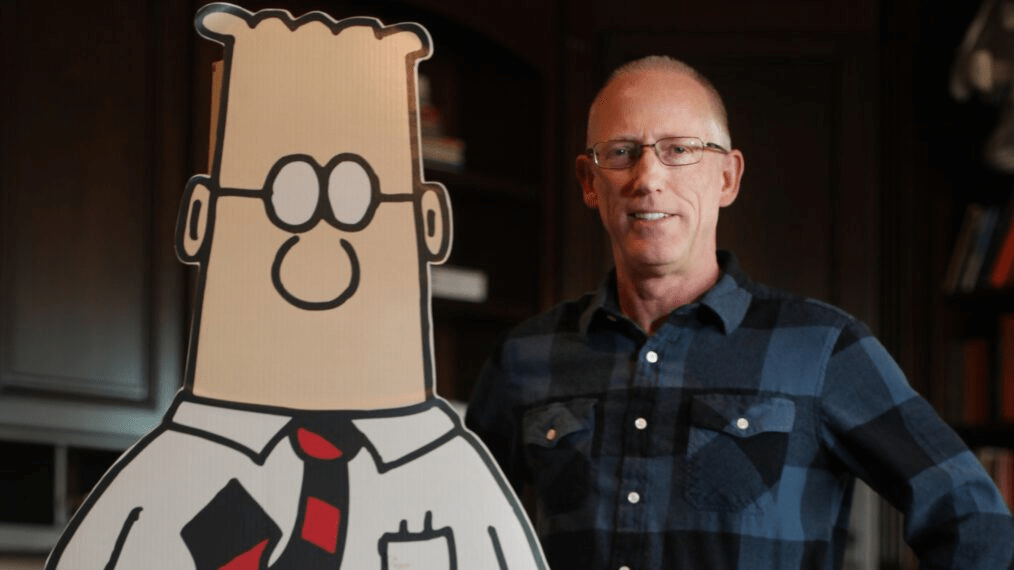
Scott Adams was an American cartoonist, author, and cultural commentator, best known for creating the groundbreaking comic strip Dilbert in 1989. Born in New York and raised in the U.S., Adams earned degrees in economics and an MBA, later working in corporate environments that would inspire the satirical lens of Dilbert.
Dilbert humorously dissected corporate life, poking fun at inefficiency, bureaucracy, clueless managers, and office politics. With Adams’ signature style, readers everywhere found humor in the relatable absurdities of white-collar work. At its peak, Dilbert was syndicated in thousands of newspapers across dozens of countries, cementing Adams as a cultural icon.
Beyond comics, Adams authored several books, including The Dilbert Principle, which satirized corporate management practices and became a best-seller. He also experimented with multimedia, including podcasts, digital content, and animated adaptations.
Scott Adams’ Health Battle
Adams’ struggle with metastatic prostate cancer became public in May 2025, when he revealed that the cancer had spread to his bones and spine. During this period, he shared openly with fans via his podcast, Real Coffee with Scott Adams, that his prognosis was grim and that he might only have months to live.
The disease progressed quickly, causing paralysis below the waist, severe pain, and heart complications. Despite this, Adams continued to produce work and communicate with fans, demonstrating his resilience and commitment to staying engaged with his audience.
By early 2026, his health had declined substantially, leading his family to move him into hospice care at his Northern California residence. Nurses provided round-the-clock care, ensuring comfort in his final days. Adams’ openness about his illness reflected the transparency and directness that characterized much of his public life.
Hospice Care: Comfort in Final Days
Hospice care focuses on quality of life rather than curative treatment, providing physical, emotional, and spiritual support. In Adams’ case, hospice allowed him to spend his last days in the company of family, with professional care managing pain and other symptoms.
Adams reportedly recorded some of his final podcast episodes shortly before entering hospice, reflecting his desire to continue connecting with fans and maintain his voice until the very end.
The Rise of Dilbert
When Dilbert debuted in 1989, it quickly struck a chord with office workers tired of corporate absurdity. The strip’s humor combined with a sharp critique of office life — pointless meetings, micromanaging bosses, and dysfunctional corporate culture — made it relatable to millions.
Dilbert became more than a comic strip; it evolved into a cultural touchstone. Adams’ work inspired books, TV adaptations, and even merchandise, bringing his satire to a global audience. The comic’s impact on workplace humor and cartooning cannot be overstated.
Also Read : Anthony Anderson and Rocsi Diaz Dating Rumors Explained After Golden Globes Appearance
Controversies in Later Years
Despite his creative success, Adams’ later years were marked by controversy. In 2023, over 80 newspapers dropped Dilbert following Adams’ racially charged comments, including claims that Black Americans were “a hate group” and statements urging white people to avoid them.
These remarks sparked widespread backlash, resulting in a sharp decline in syndication and public criticism. While Adams had built a career on challenging norms and satirical commentary, many felt his later public statements crossed ethical and moral lines, affecting his professional legacy.
Legacy and Influence
Scott Adams leaves a complex legacy. On one hand, Dilbert reshaped workplace humor, influenced a generation of cartoonists, and provided millions of readers with a humorous lens on corporate life. His innovations included digital syndication and early engagement with online fan communities, paving the way for the modern comics landscape.
On the other hand, Adams’ political and social commentary in his later years generated controversy and divided public opinion. Despite this, his contributions to humor, satire, and cultural critique remain significant.
Dilbert continues to be remembered for its timeless take on office life, while Adams’ personal narrative highlights both the heights of creative success and the pitfalls of public controversy.
Cultural Impact of Dilbert
Dilbert wasn’t just a comic strip — it was a mirror reflecting corporate absurdities. It introduced readers worldwide to the humor of office life, influencing popular culture and workplace conversations.
The character of Dilbert, with his slumped posture, tie perpetually standing, and deadpan expressions, became a symbol of the overworked, underappreciated employee. The strip’s ability to combine humor with poignant social commentary set a standard for workplace satire, inspiring countless imitators in comics, television, and online media.
Personal Reflections and Achievements
Despite the controversies, Adams was a figure who embraced transparency, both in his work and in his public life. He often shared his thoughts openly on corporate culture, society, and politics. His honesty about his health battle with cancer further highlighted this aspect of his personality, allowing fans to witness the human side of a public figure often seen only through satire.
In interviews and podcasts, Adams reflected on his career, noting that his goal was always to make people laugh while encouraging reflection. This duality — humor coupled with insight — is a key reason Dilbert resonated so widely.
Also Read : Colleen Hoover Health Update: Cancer Treatment, Recovery, and Personal Insights
Reactions to His Death
Scott Adams’ passing has elicited a wide range of responses. Fans of Dilbert have expressed grief and nostalgia, celebrating the humor and insight he brought to daily life. At the same time, discussions about his controversial statements continue to frame public discourse around his legacy.
Many cartoonists and industry professionals have paid tribute, acknowledging Adams’ pioneering contributions to comic art while noting the complexity of his public persona. Social media has seen an outpouring of mixed reactions, highlighting both admiration for his creative work and criticism of his divisive commentary.
Understanding Prostate Cancer
What Is Prostate Cancer?
Prostate cancer begins in the prostate gland and is one of the most common cancers among men. Early detection often allows for successful treatment, but advanced or metastatic cases, like Adams’, pose serious risks.
Metastatic Prostate Cancer
Metastatic prostate cancer spreads beyond the prostate, commonly reaching the bones or spine. This progression can lead to pain, paralysis, and systemic complications. While treatments like chemotherapy, hormone therapy, and targeted drugs exist, advanced cancer often reduces life expectancy.
Hospice Care Role
Hospice care focuses on comfort, symptom relief, and support for patients and families. Adams’ hospice placement emphasized quality of life, ensuring he received compassionate care in his final days.
Key Takeaways From Scott Adams’ Life
- Innovation in Cartooning: Adams revolutionized workplace humor and comic syndication.
- Global Cultural Impact: Dilbert remains a touchstone for office satire worldwide.
- Transparency and Humor: Adams’ openness about life and health reflected his candid personality.
- Controversy and Debate: His later political and racial commentary sparked discussion on the responsibilities of public figures.
- Enduring Legacy: Despite controversies, Dilbert’s humor continues to influence cartoonists and entertain audiences globally.
Also Read : Tyler James Williams on Abbott Elementary: Season 5 Insights, Character Growth, and What’s Next
FAQs
Q: How old was Scott Adams when he died?
A: Scott Adams died at 68 after a battle with metastatic prostate cancer.
Q: What caused his death?
A: He passed away from prostate cancer that had spread to his bones and spine.
Q: What is Dilbert known for?
A: Dilbert is famous for satirizing office life, corporate culture, and workplace absurdities.
Q: Why did newspapers stop syndicating Dilbert?
A: Over 80 newspapers dropped the strip after Adams made racially charged and controversial statements in 2023.
Q: Where did Scott Adams spend his final days?
A: Adams was in hospice care at his home in Northern California, surrounded by family and nurses.
Q: Did Adams continue working during his illness?
A: Yes, he continued creating content and podcasting until his health severely declined.
Join our WhatsApp channel for more updates and information about celebrities and entertainment.

I’m Atul Kumar, founder of Cine Storytellers and an entertainment creator with 5+ years of experience. I cover films, celebrities, music, and OTT content with a focus on accurate, ethical, and engaging storytelling. My goal is to bring readers trustworthy entertainment news that informs, inspires, and goes beyond gossip.
Discover more from Cine Storytellers
Subscribe to get the latest posts sent to your email.